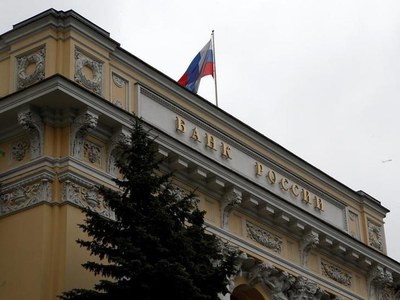
The central bank raised its key interest rate by 50 basis points to 5.5% earlier this month and said more hikes would be needed to rein in inflation, which had accelerated to 6.15% as of June 7.
At this point in time we can only say that both growth and inflation are probably tracking somewhat higher than the April forecast presumed.
Like VTimes, Meduza was founded by journalists who departed from another publication that was taken over by management sympathetic to the Kremlin's political narrative.
The figures from the Federal Statistics Service Rosstat showed an improvement on the previous quarter's 1.8% year-on-year GDP drop, signalling that Russia's economy is still on course for recovery.
Transport was the worst affected sector, contracting 34% in the first quarter, and the mining, services and retail industries also suffered setbacks, Rosstat said.
If people aren't sure that the vaccine they are receiving is the same that was studied in trials, then "I can imagine that some people might have their reservations about getting that vaccine at all," said Rasmussen.
"The board of directors believes that the company is currently undervalued by the market, which presents a good opportunity to run a share buyback," Gareth Penny, board chairman, said in a statement.
The buyback price of up to 5,382,865 of shares is set at 27,780 roubles ($370.90) per share, Nornickel said.
Finance Minister Anton Siluanov on Tuesday said Russia may cut its planned borrowing this year due to better-than-expected budget revenues and could be able to keep the state's debt to gross domestic product ratio at no more than 20% over three years.
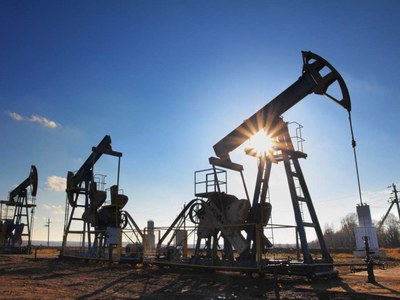
In annual terms, January data was dragged down by lower oil and gas production which also resulted in weaker oil products output, along with some other factors, the statistics service, or Rosstat, said.
The main factor behind the monthly fall in January industrial output was lower manufacturing activity, namely food stock production such as flour, spaghetti, rice and sunflower oil.
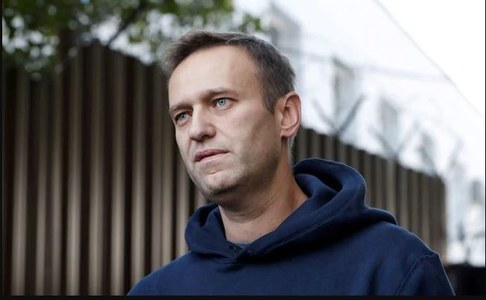
"They are merciless," EU foreign policy chief Josep Borrell told the European Parliament after visiting Moscow last week to plead for the release of Kremlin critic Alexei Navalny.
The current power structure in Russia, combining vested economic interests, military and political control, leave no opening for democratic rule of law.
The Russian government on Monday approved a formula-based export tax system for wheat, corn and barley that is designed to help combat domestic food price inflation.
Russia's GDP to shrink by 3.7%, while the economy ministry had last predicted that GDP would contract by 3.9%.
Russia saw deeper economic contractions of 7.8% and 5.3% in 2009 and 1998, respectively. Between 2000 and 2008, Russia's economy grew on average by around 7% a year.