


What the arrival of 2,000 BYD vehicles signals for Pakistan's EV market
BYD made its largest NEV shipment to Pakistan, delivering over 2,000 vehicles via a RoRo vessel. This highlights Pakistan's growing demand for electric mobility and BYD's commitment to the region.
- Pakistan's increasing adoption of new energy vehicles.
- BYD's commitment to sustainable transportation in Pakistan.
- Efficiency of RoRo vessels for large vehicle shipments.
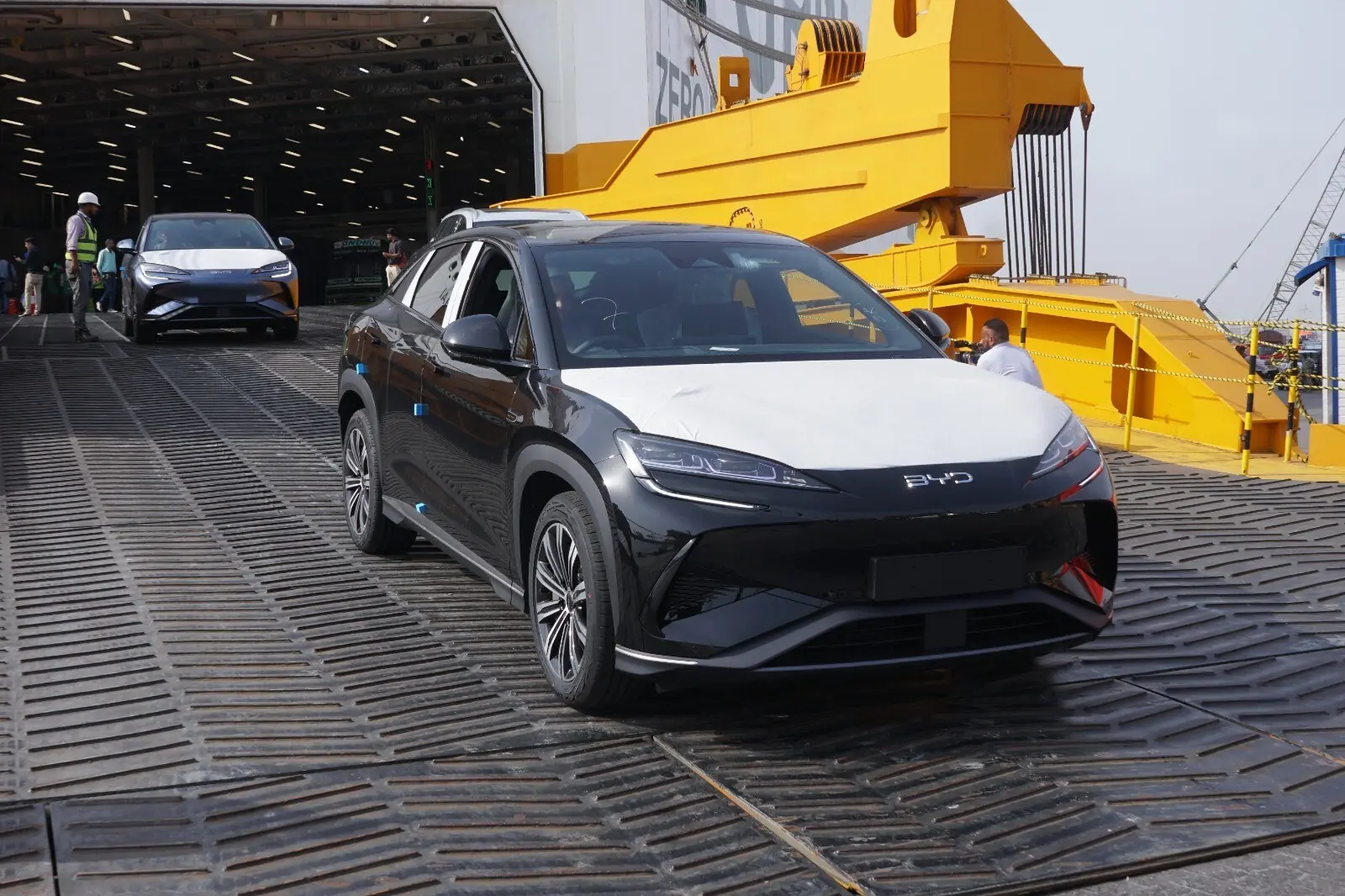

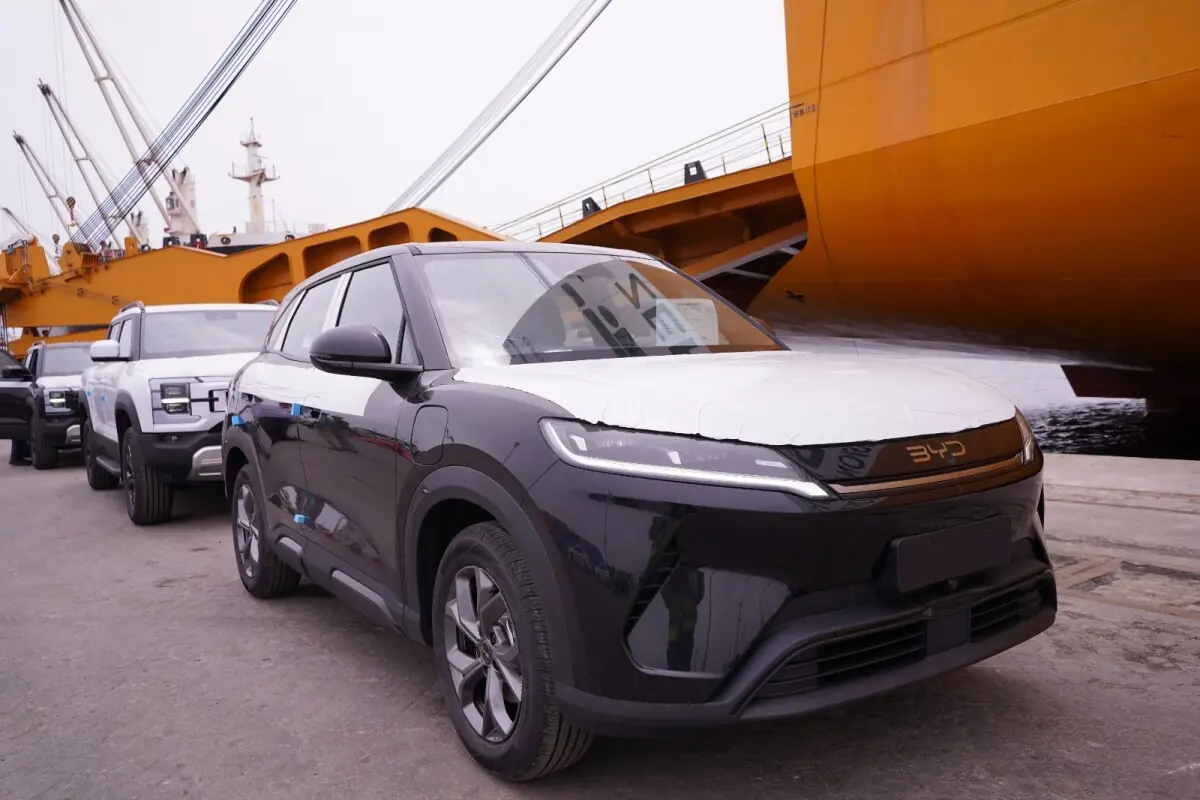
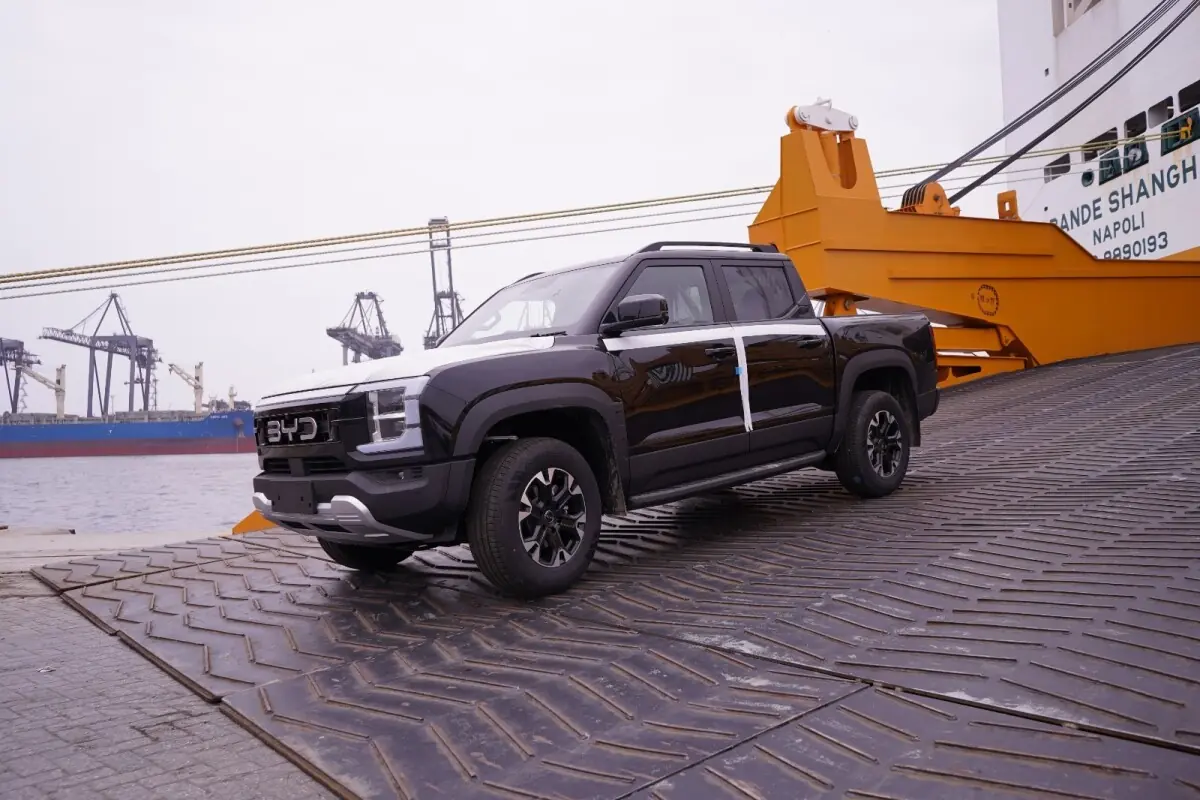
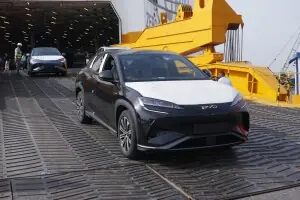
More than 2,000 BYD new energy vehicles (NEVs) recently arrived at Karachi Port aboard a roll-on/roll-off (RoRo) vessel in the company’s largest shipment to Pakistan to date, indicating a growing interest in electric vehicles (EVs), even as analysts warn that infrastructure gaps could temper broader adoption.
Mega Motor Company (MMC), the official partner of BYD in Pakistan, announced the arrival, which comes at a time when Pakistan’s transition towards NEVs continues to gather pace as consumers increasingly recognise the economic, environmental and technological advantages of electric mobility.
“This growing demand is reflected in the increasing scale of vehicle shipments into the country, reinforcing BYD’s commitment to making NEVs more accessible, supporting the broader shift towards a cleaner and more sustainable transportation future,” said BYD in a statement.
Pakistan’s EV sector is in an evolving, nascent stage, characterised by ambitious government policies, a strong focus on two and three-wheelers, and significant challenges in infrastructure development and consumer adoption.
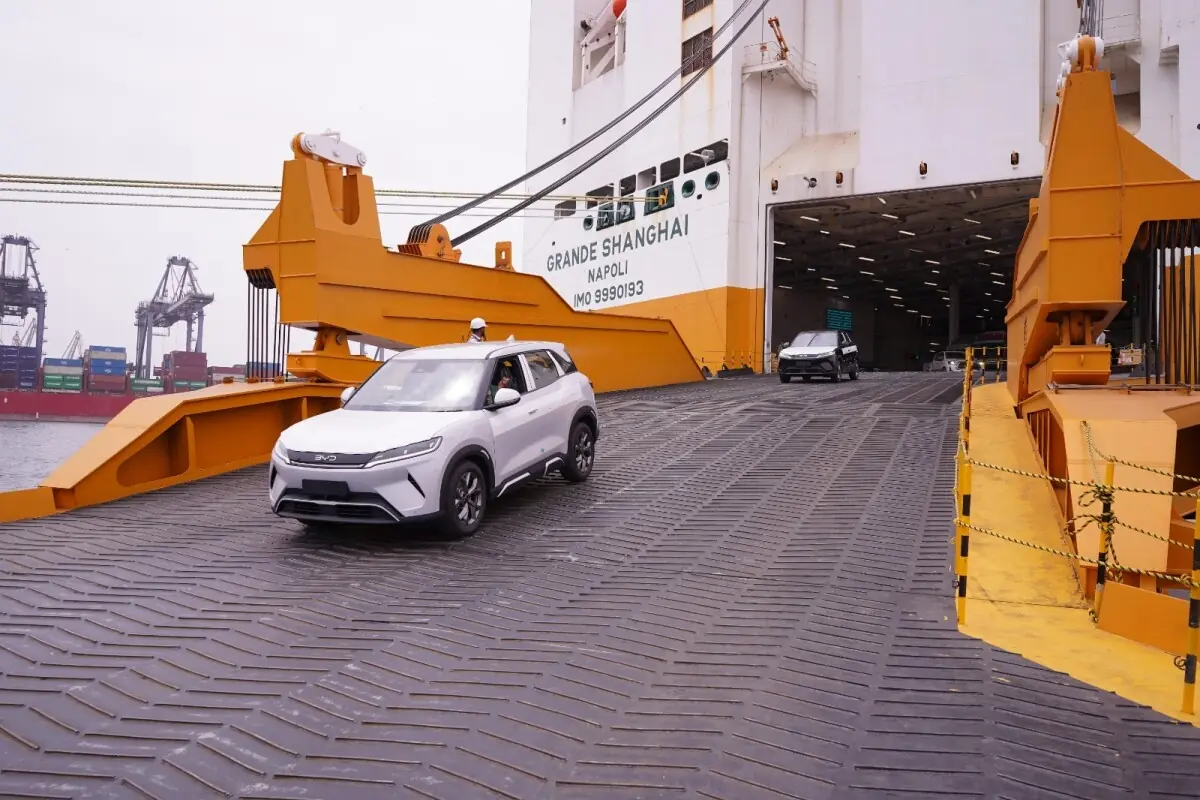
Last week, the M.V. Grande Shanghai berthed at the Karachi Gateway Terminal Limited (KGTML) at Karachi Port, where the vehicles were unloaded by being driven directly off the vessel, eliminating the need for cranes.
“The recent EV shipments indicate encouraging early consumer acceptance and mark a positive step in Pakistan’s transition away from conventional ICE vehicles,” Osama Naeem, investment analyst at FRIM Ventures, told Business Recorder.
He said that the shift supports the country’s long-term objectives of reducing reliance on imported fuels, easing pressure on the external account, and lowering carbon emissions.
“However, the pace of EV adoption is likely to moderate going forward.”
“Early adopters have largely been urban users with predictable driving patterns and limited concerns over charging infrastructure. Broader mass-market adoption may be constrained by inadequate charging infrastructure, the absence of a well-developed secondary ecosystem for maintenance and repairs, and concerns over resale values,” Naeem shared.
Menka Kirpalani, Equity Research Analyst, Arif Habib Limited, said the shipment suggests that demand for BYD EVs in Pakistan has exceeded initial internal projections.
“Until local assembly begins, expected by the end of this year, BYD is likely meeting this demand through CBU (Completely Built Up) imports, with large-volume shipments helping clear early booking backlogs,” she said.
The analyst shared that the share of EVs in Pakistan’s auto market at present is roughly around 4-5%.
- RoRo shipment is a highly efficient maritime transport method where wheeled cargo—such as cars, trucks, and heavy machinery—is driven directly onto the vessel via built-in ramps. It is significantly faster and often more affordable than container shipping because it eliminates the need for cranes.
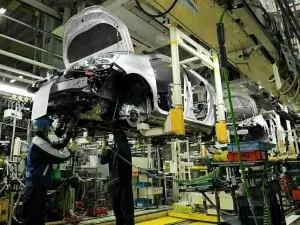
While analysts said CBU imports are helping meet rising demand, automotive industry veteran Jameel Asghar argued that the growing reliance on CBU imports also exposes distortions in Pakistan’s tariff regime, which he said discourages local manufacturing.
“This is precisely what the industry has been warning about,” Asghar said.
“Under the Finance Act 2026-27, CBU cars under 800-850cc now attract a minimum customs duty of just 30%, while a local assembler importing CKD kits to build that same car pays 32% - and if that assembler sources parts locally instead, the duty on those localised parts runs up to 46%.
“This means Pakistan’s tax regime now makes it more economical to import a fully assembled car than to build one domestically. That is not a market outcome, it is a policy design flaw,” he said.
He shared that industry estimates put millions of jobs and industrial investment at risk if this inverted structure is not corrected.
“The government needs to correct this inverted tariff structure immediately and realign it with its own ‘Made in Pakistan’ policy, before the damage becomes irreversible.”
On recent government measures to increase the adoption of EVs, Kirpalani said the government has already extended the 1% tax on the import and sale of EVs for another year, which has been a key driver of adoption.
“Extending this incentive over the medium term would provide greater policy certainty for both consumers and manufacturers. In addition, expanding the public charging network, offering preferential financing options, and encouraging local EV manufacturing would further accelerate EV adoption in Pakistan,” she said.
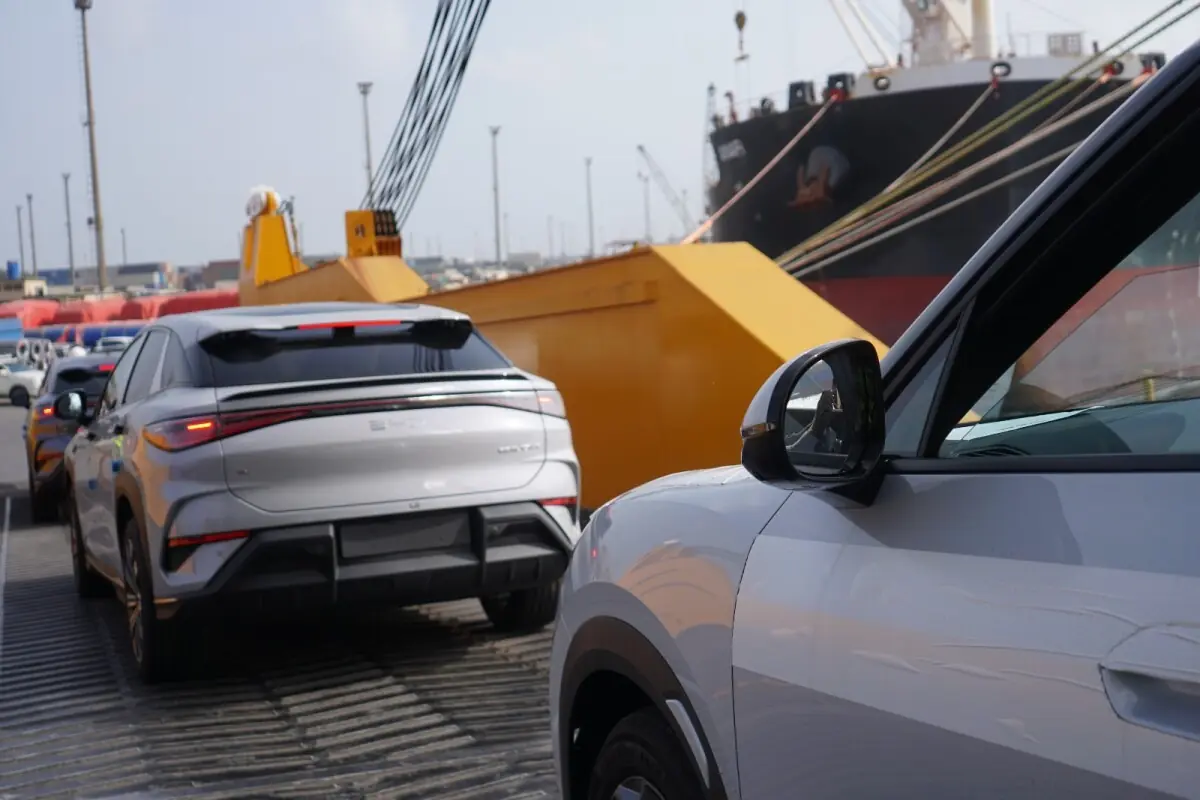
Speaking on the arrival of the shipment, Danish Khaliq, Vice President - Sales & Strategy, BYD Pakistan – MMC, said that the milestone reflects the growing confidence of Pakistani consumers in NEVs and the increasing momentum of Pakistan’s transition towards sustainable mobility.
“This shipment marks an important step in enhancing vehicle availability and reinforces our commitment to ensuring customers receive their vehicles in a timely and reliable manner. As demand continues to grow, we remain focused on delivering an exceptional ownership experience through world-class products, dependable after-sales support, and an expanding charging network that gives customers the confidence to embrace electric mobility across Pakistan.”
Lei Jian, Country Head, BYD Pakistan, further added: “Pakistan is an important market in BYD’s global growth journey, and we remain committed to supporting its transition towards cleaner transportation by introducing world-class NEVs and strengthening our presence in the country.”
The arrival of the shipment via a RoRo vessel further reinforces the scale and efficiency of modern automotive logistics.













Comments