


Greece sees strong demand for first 30-year bond issue in over a decade
- The bond drew investor demand of more than 26.1 billion euros. It was priced at 150 basis points over the mid-swap level, resulting a yield of about 1.93%, the highest among euro zone countries in that maturity.
- This 30-year bond is just one additional step we take in the direction of leaving our legacy of the past decade behind us once and for good.
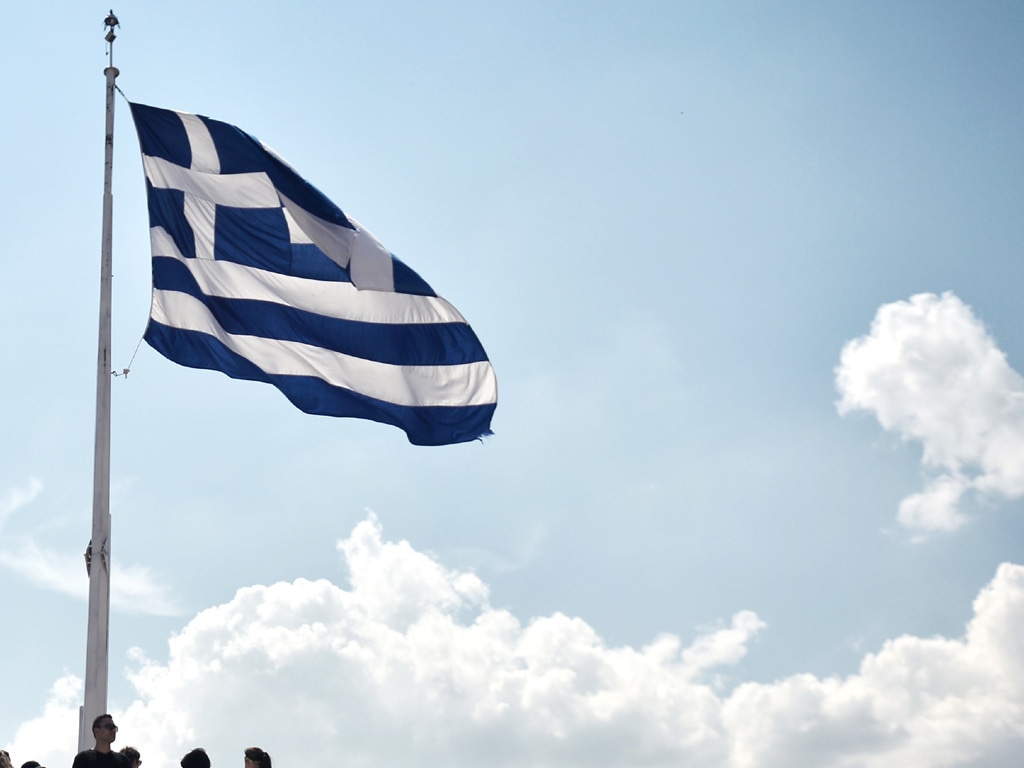

ATHENS: Greece raised 2.5 billion euros on Wednesday from its first 30-year bond sale in more than a decade, with an issue that was more than 10 times oversubscribed, the public debt management agency said.
The bond drew investor demand of more than 26.1 billion euros. It was priced at 150 basis points over the mid-swap level, resulting a yield of about 1.93%, the highest among euro zone countries in that maturity.
Greece last issued a 30-year bond in 2008, a year before the start of a debt crisis that threatened to tip it out of the European Union's single currency. After regaining market access in 2017, it has gradually been issuing longer-dated bonds, venturing out to a 15-year maturity last year.
"This 30-year bond is just one additional step we take in the direction of leaving our legacy of the past decade behind us once and for good," Greek Prime Minister Kyriakos Mitsotakis said in an interview with CNN.
"The future of the country is extremely promising. I expect rapid growth once the pandemic is over," he said.
The issue continued Greece's return to the markets after three bailouts and underlined the change in sentiment since the turmoil of those years.
Greece has been a key beneficiary of the European Central Bank's pandemic emergency bond-buying programme, which holds down government borrowing costs in southern European countries.
The ECB, which doesn't buy Greek debt as part of its mainstream bond purchases, included it in the pandemic programme despite Greece's junk credit ratings. That pushed Greek 10-year bond yields to record lows late last year.
Richard McGuire, head of rates strategy at Rabobank in London, said Greece's deal was "reflective of the fact that the concerns around euro area cohesion seem to be something of a distant memory.
"This ongoing positive sentiment regarding the euro zone periphery is notably alongside a very significant deterioration of euro zone peripheral fundamentals, specifically the very sizable jump in debt stocks due to the coronavirus," he said.
Taking advantage of ultra-low interest rates, Greece plans to borrow up to 12 billion euros this year and has already raised 5.5 billion euros with the re-opening of a 30-year bond through a private placement and a new 10-year bond issue in January.
The risk premium Greece pays on top of German bonds for benchmark 10-year debt is currently around 120 basis points, near its lowest since 2009, according to Refinitiv.
The country, which exited bailout programmes in August 2018, has accumulated a cash buffer of about 32 billion euros, enough to cover at least two years of maturing debt.
BNP Paribas, Goldman Sachs, HSBC, JPMorgan and National Bank of Greece were appointed to jointly lead manage the new bond maturing on January 24, 2052.


























Comments
Comments are closed for this article.