




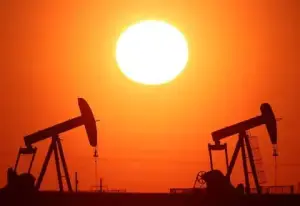
HOUSTON: Oil prices were steady on Wednesday as the escalating war between major oil producer Russia and Ukraine offset a rise in U.S. crude and gasoline stocks.
Brent crude futures for January were down 4 cents, or 0.05%, at $73.27 a barrel by 10:43 a.m. EDT (1543 GMT).
U.S. West Texas Intermediate crude futures for December, due to expire on Wednesday, were up 26 cents, or 0.37%, at $69.65, while the more active WTI contract for January was up 2 cents, or 0.03%, at $69.26.
U.S. crude stocks and gasoline inventories rose and distillate stockpiles fell in the week ending Nov. 15, the Energy Information Administration said on Wednesday.
Crude inventories rose by 545,000 barrels to 430.3 million barrels last week, the EIA said, compared with analysts’ expectations in a Reuters poll for a 138,000-barrel rise.
Oil steadies as Sverdrup field restart counters geopolitical concerns
U.S. gasoline stocks rose by 2.1 million barrels to 208.9 million barrels, compared with analysts’ expectations in a Reuters poll for a 900,000-barrel build.
The escalating war between major oil producer Russia and Ukraine and subsequent concern around potential oil supply disruptions have kept a floor under prices this week.
This has put geopolitical risk back in the market, StoneX energy analyst Alex Hodes said in a note on Wednesday.
“However, the concerns over additional sanctions or disruptions of Russian fuel or crude oil supplies appear misguided,” Hodes added, pointing to strong Russian fuel exports.
Long positions in WTI have declined significantly despite the added geopolitical risk, according to Aegis Hedging associate Christian Drolshagen, with hedge funds holding only 50% of summer levels, per CFTC data.
“We may expect (Brent) oil prices to stay supported above the $70 level for now, as market participants continue to monitor the geopolitical developments,” said Yeap Jun Rong, market strategist at IG.
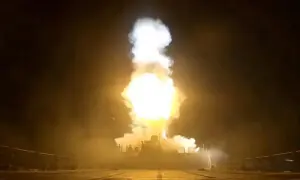
On Tuesday, Ukraine used U.S.-supplied ATACMS missiles to strike Russian territory for the first time, Moscow said, while Russian President Vladimir Putin lowered the bar for a possible nuclear attack.
“The price action in the oil market has been relatively uneventful post-U.S. election, with some pick-up in the past couple of days due to a temporary production outage in the North Sea and a further escalation in the nature of the confrontationin Ukraine,” said Harry Tchilinguirian, head of research at Onyx Capital Group.
Norway’s Equinor on Wednesday said it had restored full output capacity at the Johan Sverdrup oilfield in the North Sea following a power outage. Equinor last month said the field was producing at peak capacity of around 755,000 barrels of oil equivalent per day.
Weighing on prices on Wednesday, Hezbollah chief Naim Qassem said in a televised speech that his group had reviewed and given feedback on a U.S.-drafted ceasefire proposal to end fighting with Israel, and that a halt to hostilities was now in Israel’s hands.
Meanwhile, the U.S. Federal Reserve will trim interest rates next month but make shallower cuts in 2025 than expected just a month ago due to the risk of higher inflation from President-elect Donald Trump’s proposed policies, according to most economists in a Reuters poll.
Higher interest rates increase the cost of borrowing, which can slow economic activity and dampen demand for oil.

















Comments
Comments are closed for this article.