


Sleep deprivation: what causes it and how to fight it
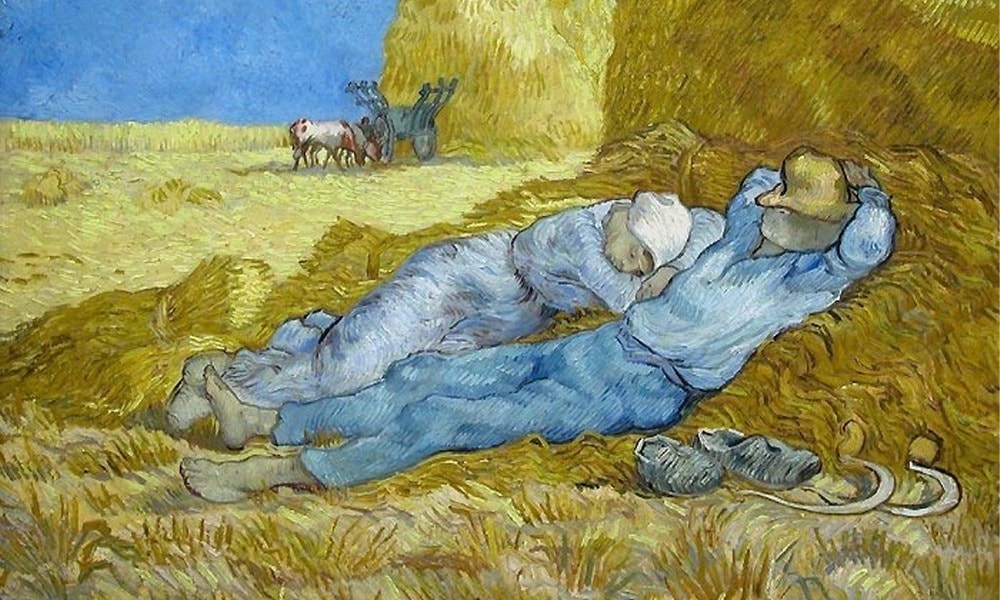

Sleep is without a doubt one of the most important foundations of health, if not the most important. While we sleep, our bodies are most efficient in regenerating themselves.
Between the hours of 10pm and 2am, we can benefit from the most advantageous hormonal secretions and recover when asleep. Our adrenal system is able to relax and rejuvenate itself.
Sleep deprivation is a real issue that affects many people. Without proper sleep one may suffer from brain fog, fatigue, irritability, etc. Chronically sleep-deprived people might be plagued with high blood pressure, diabetes, and a higher probability of suffering from a stroke or heartache.
The importance of adequate sleep:
Not getting enough sleep should not be taken lightly.
On average, an individual should be getting at least 7 hours of sleep each night for optimal health. Aiming for this number will ensure better blood sugar balance, memory skills, and digestive system.
Additionally, it may help in maintaining or losing weight.
It is important to lower cortisol (stress hormone) before bed to improve quality. High cortisol at night-time hinders melatonin (sleep hormone) production. Ways to decrease cortisol naturally before bedtime include: offering Namaz (prayer), breathwork, meditation, journaling and/or taking a hot bath.
A great tip to increase melatonin production is to include consuming cherries and pistachios as a dessert post-dinner. Cherries and pistachios contain the richest food sources of melatonin. Not only does this make a delicious and healthy dessert but it contains plenty benefits.
Developing healthy sleep habits:
Reducing screen time is a beneficial tactic when improving sleep quality.
Electronics emit blue light which actually keeps you up at night by delaying sleep. Blue light tricks your body into thinking it’s still daytime, thus blocking melatonin production in order to increase alertness.
Eat no later than 2-3 hours before bedtime. This is important because if your body is digesting food too late at night it might not have enough energy to wind down. The digestive system takes up a lot of energy so it’s important to space out time from your last meal of the day up until bedtime.
Avoid caffeine at least 8 hours before bed. Caffeine is a stimulant that increases cortisol and in turn decreases melatonin. It takes a while for caffeine to leave your system, thus, it’s always best to not have coffee or tea too late in the day.
Another tip is to watch the sunset in order to stimulate melatonin production. While watching a sunset, our eyes signal to our body’s internal clock that nighttime is approaching and so it begins to decompress and get ready for bed.
Islamic recommendations for improving sleep:
● Make Wudu before bed
● Ask Allah for good sleep
● Dust bed 3 times
● Use a miswak before bed
● Read Surah Al-Mulk
● Recite Ayat Al-Kursi
● Recite 3 Kuls
● Sleep on your right side
● Keep your hand under your right cheek
● Make intentions for Tahajjud and Fajr
● Recite Names of Allah
● Read last 2 Ayats of Surah Al-Baqarah
● Clear your heart
● Forgive and forget
The mind-body connection is real. Our emotional and physical health are both pertinent to not only increase but improve sleep.
Stress is the real enemy when it comes to lack of quality of sleep thus it is important to alienate emotional and physical stress through holistic practices.
The writer is a certified functional nutritionist




















Comments
Comments are closed for this article.