


Saudi inflation rate rises again in May, hits 5.7pc
- "Prices of food and beverages recorded the highest annual increase of 7.4%, mainly due to the increase in food prices (+7.3%). In particular, the increase in prices of meat (+6.8%) and vegetables (+6.7%) was remarkable."
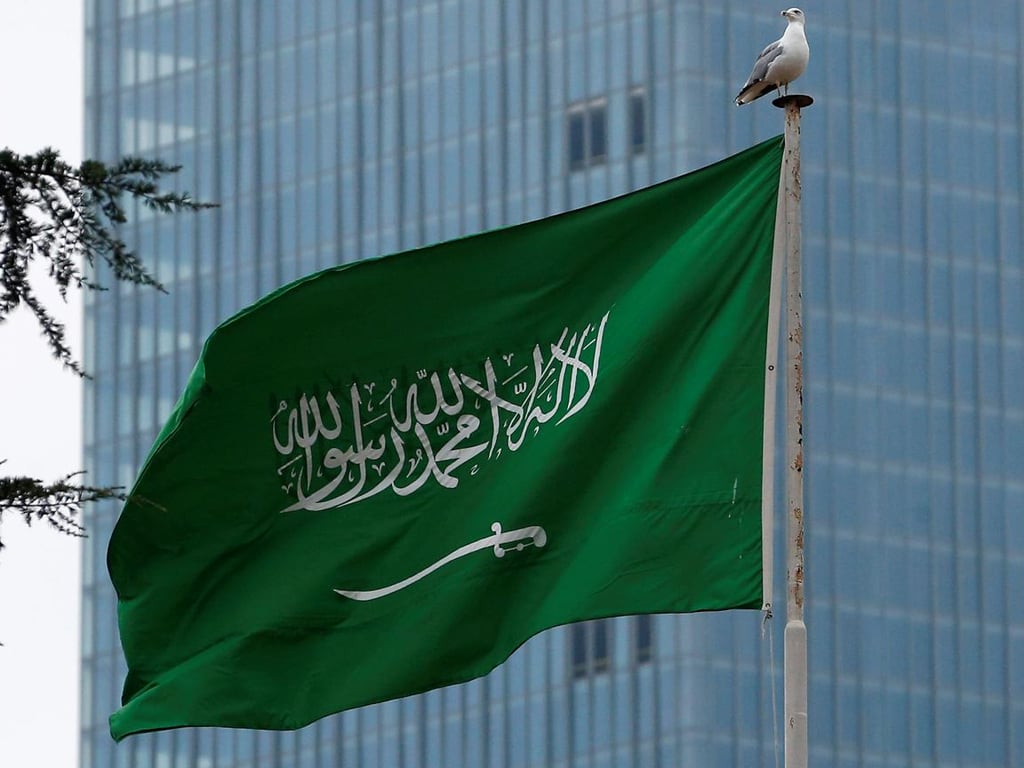
DUBAI: Saudi Arabia's inflation rate rose for the second consecutive month, climbing to 5.7% in May from 5.3% in April, again reflecting a tripling of value-added tax to 15% last year, official data showed on Tuesday.
The increase was mainly due to higher prices of food and beverages and transport, the General Authority for Statistics said. Food prices have a weight of 17% in the Saudi consumer basket, making them the main driver of the headline inflation rate in May.
The VAT increase, which went into effect in July last year, came as the Saudi government sought to bolster its coffers after being hit by the twin shock of last year's oil price crash and the COVID-19 pandemic, as well as voluntary oil production cuts implemented to help stabilise world prices.
"Prices of food and beverages recorded the highest annual increase of 7.4%, mainly due to the increase in food prices (+7.3%). In particular, the increase in prices of meat (+6.8%) and vegetables (+6.7%) was remarkable," the General Authority for Statistics said.
Consumer prices rose slightly on a month-on-month basis, by 0.2%.
"Looking ahead, the headline inflation rate is likely to peak in June at around 6.3% y/y," James Swanston, an economist at Capital Economics, wrote in a research note.
"But, from July, inflation will drop sharply as the base effects of the tripling of the VAT rate last year drop out of the annual price comparison. We think that the headline rate will slow to around 1.0-1.5% y/y and remain at this pace over the course of this year and throughout 2022-23."
Saudi Arabia's economy shrank 3% in the first quarter of this year from a year earlier, hit by oil output cuts, but the non-oil economy expanded 2.9%, recovering from the pandemic.
The kingdom's economy, the largest in the Arab world, shrank 4.1% last year. The International Monetary Fund expects real GDP, an inflation-adjusted measure, to grow 2.1% this year.























Comments
Comments are closed for this article.