


Putin targets US social media, secret agent leaks and protests with new laws
- Twitter currently labels some Russian media "state-affiliated media", a move decried by Moscow.
- The law's backers cited complaints made about prejudice shown by Facebook , Twitter and YouTube.
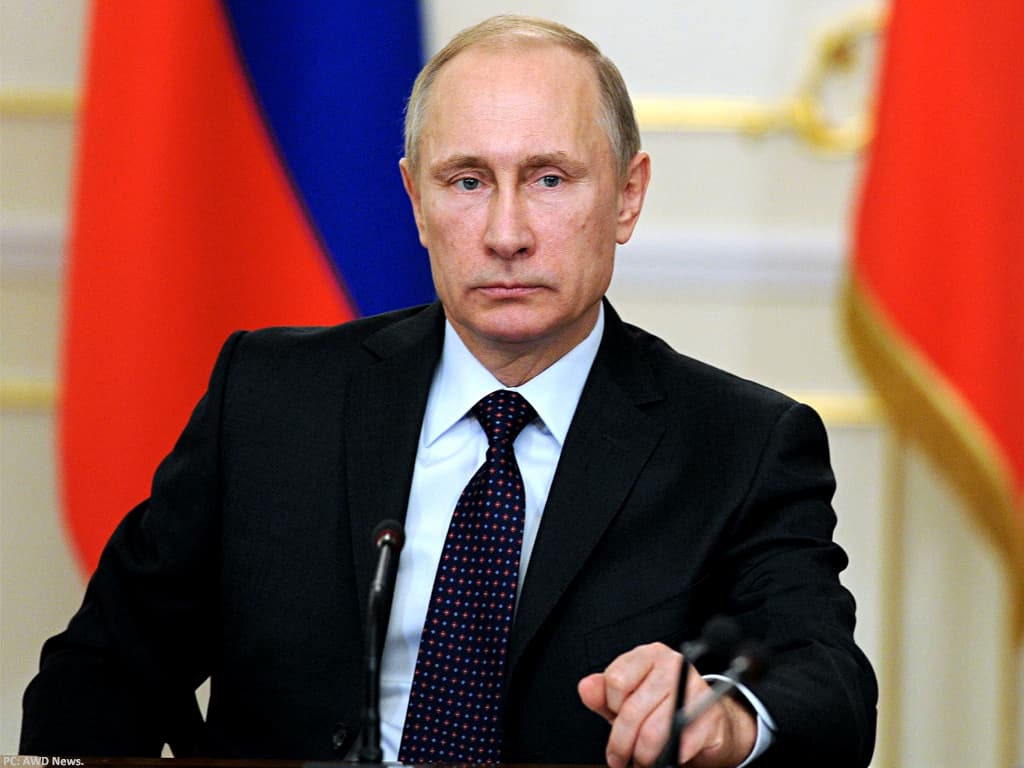

MOSCOW: President Vladimir Putin signed an array of laws on Wednesday handing Russia new powers to restrict US social media giants, label individuals "foreign agents", and to crack down on the disclosure of its security officers' personal data.
The laws, which also introduce new restrictions for protests, cap a year of constitutional reforms allowing Putin, 68, to stand for two more six-year terms in the Kremlin instead of stepping down in 2024 as he had been legally required to do.
Other reforms such as one granting former presidents lifelong immunity from prosecution have kept analysts guessing about his plans as Moscow's ties with the West have come under new strain over the poisoning of Kremlin critic Alexei Navalny.
One of Wednesday's laws enables Russia to block or restrict access to sites that "discriminate" against its media, part of a campaign under Putin to increase Russia's internet "sovereignty" that has fuelled fears of creeping China-style controls.
Twitter currently labels some Russian media "state-affiliated media", a move decried by Moscow. The law's backers cited complaints made about prejudice shown by Facebook , Twitter and YouTube.
A second law introduces hefty fines of up to 20% of their previous year's Russia-based turnover for sites that repeatedly fail to remove banned content, something that YouTube and Facebook have often failed to do according to Russian lawmakers.
A third law prohibits the disclosure of the personal data of Russian security officials, records that are sometimes leaked online and have been used by investigative journalists to track clandestine operations.
Earlier this month, investigative website Bellingcat used flight records and other data to identify a group of alleged Federal Security Service agents whom Navalny has accused of trying to poison him in August, an allegation denied by Moscow.
Other new laws introduced jail sentences of up to two years for slander online as well as new regulations that would prohibit the funding of protests by "foreign agents" and allow rallies to be banned due to emergencies.
Another law granted authorities new powers to label individuals "foreign agents" and also jail them for five years if they fail to report their activities correctly.











Comments
Comments are closed for this article.