BR100 Increased By (0.44%)
BR30 Increased By (1.39%)
KSE100 Increased By (0.62%)
KSE30 Increased By (0.61%)
BECO 5.43 Decreased By ▼ -0.06 (-1.09%)
BML 55.69 Decreased By ▼ -1.07 (-1.89%)
BOP 35.38 Increased By ▲ 0.26 (0.74%)
CNERGY 8.20 Increased By ▲ 0.05 (0.61%)
DCL 11.55 Increased By ▲ 0.04 (0.35%)
FCCL 58.36 Increased By ▲ 1.61 (2.84%)
FCSC 5.12 Decreased By ▼ -0.03 (-0.58%)
FFL 17.84 Decreased By ▼ -0.04 (-0.22%)
FNEL 1.25 No Change ▼ 0.00 (0%)
HUMNL 11.07 Decreased By ▼ -0.05 (-0.45%)
KEL 8.75 Increased By ▲ 0.33 (3.92%)
KOSM 6.69 Increased By ▲ 0.11 (1.67%)
MLCF 107.15 Increased By ▲ 3.85 (3.73%)
NBP 201.73 Increased By ▲ 1.55 (0.77%)
PACE 11.30 Increased By ▲ 0.01 (0.09%)
PAEL 44.49 Increased By ▲ 1.02 (2.35%)
PIAHCLA 29.41 Increased By ▲ 1.92 (6.98%)
PIBTL 18.64 Increased By ▲ 0.94 (5.31%)
PPL 247.98 Increased By ▲ 3.66 (1.5%)
PRL 35.29 Decreased By ▼ -0.14 (-0.4%)
PTC 66.14 Increased By ▲ 0.79 (1.21%)
SEARL 95.49 Increased By ▲ 2.17 (2.33%)
SSGC 32.04 Decreased By ▼ -0.90 (-2.73%)
TELE 8.87 Decreased By ▼ -0.04 (-0.45%)
THCCL 66.61 Decreased By ▼ -0.11 (-0.16%)
TPLP 10.57 Decreased By ▼ -0.26 (-2.4%)
TREET 25.30 Increased By ▲ 0.18 (0.72%)
TRG 64.40 Decreased By ▼ -0.50 (-0.77%)
WAVES 10.90 Decreased By ▼ -0.03 (-0.27%)
WTL 1.26 Increased By ▲ 0.01 (0.8%)
Pakistan

Last solar eclipse to be observed globally on Dec 14
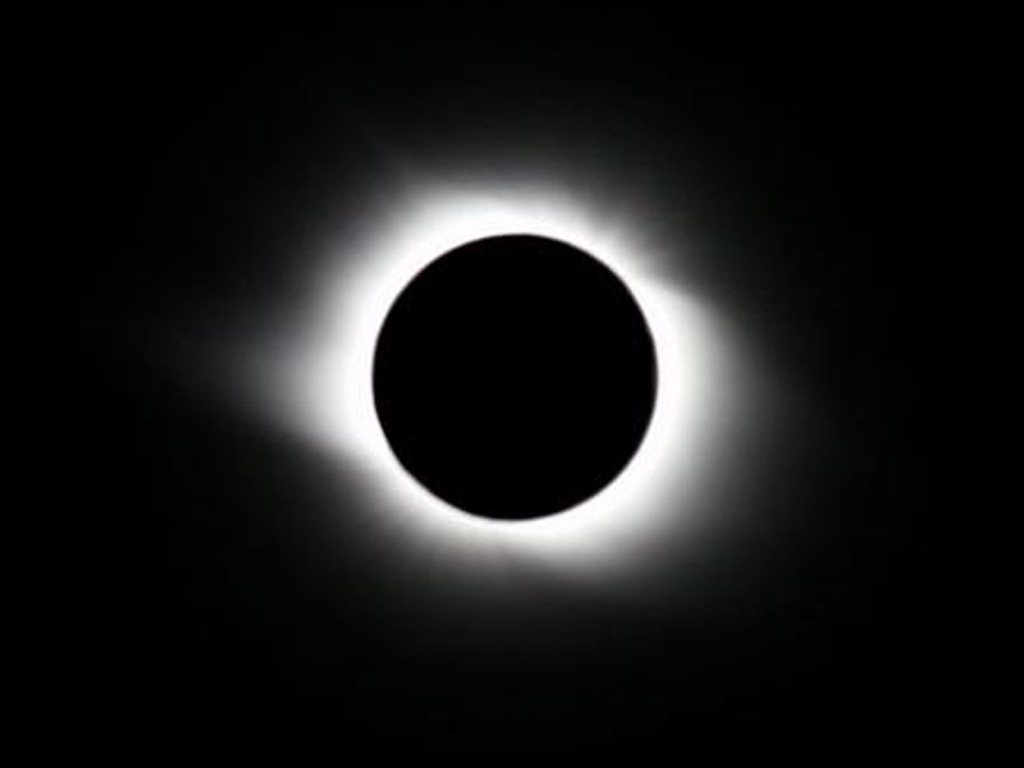
As per the met office, the last solar eclipse of 2020 could not be observed in Pakistan, however, It could be seen in other parts of the globe including South Africa, countries in South America, and other parts of the world.
Published December 4, 2020 Updated December 4, 2020 07:09pm

The last solar eclipse of 2020 would be observed globally on 14 December, the second time in a year, Pakistan Meteorological Department (PMD) said on Friday.

As per the met office, the last solar eclipse of 2020 could not be observed in Pakistan, however, It could be seen in other parts of the globe including South Africa, countries in South America, and other parts of the world.

The solar eclipse could also be observed in areas falling near the Indian Ocean, Atlantic Ocean, and Antarctic Ocean.

Annular eclipses occur when the Moon — passing between Earth and the Sun — is not quite close enough to our planet to completely obscure sunlight, leaving a thin ring of the solar disc visible.

They occur every year or two, and can only be seen from a narrow pathway across the planet.

It is pertinent to mention here that the annular solar eclipse, popularly known as the ‘ring of fire’ was witnessed in different parts of Pakistan on June 21 this year.

Comments

Comments are closed for this article.