



WASHINGTON: The International Monetary Fund (IMF) should create a new instrument that lets richer countries channel their newly created IMF reserves to help a broader set of countries tackle the COVID-19 pandemic and climate change, a new task force said Monday.
IMF officials have sought for months to rally support for a new Resilience and Sustainability Trust (RST) that its members could use to donate or lend their share of $650 billion in newly issued Special Drawing Rights (SDR) to low- and middle-income countries - as an alternative to the Poverty Reduction and Growth Trust, which can be tapped only by the poorest countries.
The issue will be a big topic when IMF member countries meet during the global lender's fall meetings later this month, but some countries have been reluctant to back the proposed trust, arguing that it would move beyond the scope of the IMF.
The Task Force on Climate, Development and the International Monetary Fund, launched Monday, urged support for the new trust, saying the global lender's actions were vital to helping countries better address the rising toll of climate change.
Global damages from extreme weather events totaled over $6 trillion over the past two decades, and will reach an estimated $298 billion in 2021 alone, with a single weather event costing small island states some 100% of GDP, the report said.
Data-rigging claims: IMF board to grill investigators, Georgieva
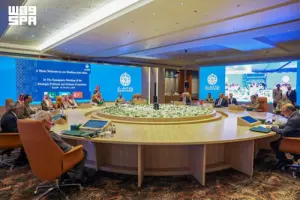
The consortium of experts, convened Monday to aid the ministers of finance from the Intergovernmental Group of Twenty-Four (G24) and Vulnerable Group of Twenty (V20), said the IMF had a "central role to play in the transition to a low carbon and resilient global economy."
"Sustained re-channeling of new SDR issuances into (the RST) could form an essential part of the climate and development finance landscape in emerging market and developing countries, said the experts, who hail from institutions such as the Boston University Global Development Policy Center, the African Economic Research Consortium, and Peking University.
They welcomed a June pledge by the Group of Seven rich economies to rally some $100 billion in resources for countries in need, but said far more funding would be needed.
Even before the pandemic, experts estimated that emerging market and developing economies needed to raise at least 2% of their GDP to meet their climate goals each year through 2030, but the pandemic has further complicated the situation with big debt overhangs and higher borrowing costs.
To help countries reach a net zero economy by 2050, the new trust should offer both short- and long-term financing options, while helping countries respond to climate shocks without sharp increases in their debt levels, the group said.
The IMF could also help by encouraging countries to incorporate fiscal buffers for climate-related risks in budget planning, which would help build up disaster, reserve or contingency savings, they said.













Comments
Comments are closed for this article.