


Nepal to vote in first election since Gen Z-led protests toppled government
- Nearly 19 million of Nepal’s 30 million people are eligible to vote to pick a 275-member legislature, of which 165 candidates are directly elected and 110 selected
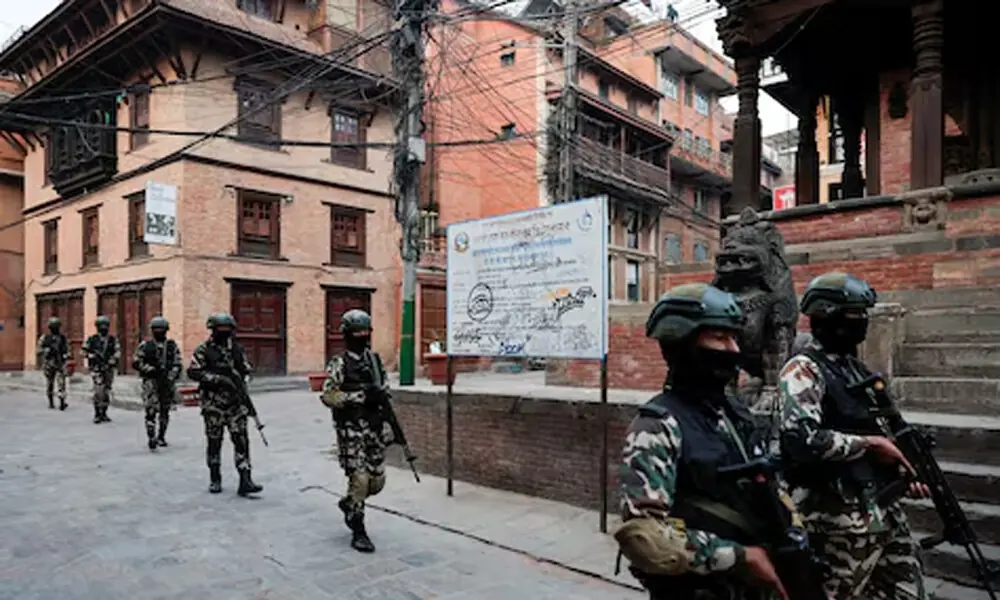

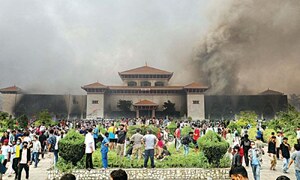
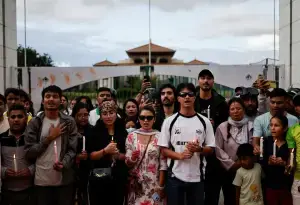
KATHMANDU: Nepal is heading to a general election on Thursday, the first after youth-led protests last September demanding an end to corruption, more jobs and cleaner politics led to the deaths of 77 people and forced the government to resign.
For decades, the small Himalayan nation ensconced between China and India has been riven by political instability, with 32 changes in government since 1990, leaving its largely agrarian economy hamstrung and forcing millions to seek work abroad.
Nearly 19 million of Nepal’s 30 million people are eligible to vote to pick a 275-member legislature, of which 165 candidates are directly elected and 110 selected via proportional representation.
About one million of these voters - most of them youth - were added after last year’s protests, which has amplified calls for overhauling Nepal’s political system and reforming the economy to create formal jobs with better wages.
Nepal interim PM vows to fix ‘failure’ that led to deadly Gen Z protests
Bibas Pariyar, a 22-year-old painter employed in Kathmandu, said he plans to return to his home district of Gorkha - famed for soldiers who have served in the British and Indian militaries - on Thursday to vote.
“We need new people who can give work to people, reform agriculture and pay adequate remuneration for workers,” Pariyar said.
“The old politicians only amassed money for themselves through corruption and did nothing for the people.”
Old guard vs new frontrunner
In the race are the old guard, including the centrist Nepali Congress (NC) and the Communist Party of Nepal (Unified Marxist-Leninist or UML), which have dominated national politics for decades.
But most analysts say the centrist Rastriya Swatantra Party (RSP) is at the forefront. Rapper-turned-politician Balendra Shah, 35, joined the three-year-old party in January as its prime ministerial candidate.
A former mayor of the capital city Kathmandu who emerged as the face of September protests, Shah is going head-to-head against the UML’s K.P. Sharma Oli, 74, a four-time premier who quit following the September killings of the demonstrators.
Nepal’s election will be the second in the region - following Bangladesh - to be triggered by Gen Z-led protests, but the dynamics are markedly different, said Jay Nishaant, founder of the Nepal Democracy Foundation think tank.
“For any election, three things decide the outcome: agenda, leadership and organisation,” Nishaant said.
Death toll in Nepal’s anti-graft protests jumps to 72
“That’s where Nepal may diverge from Bangladesh. Bangladesh’s July 2024 student leaders had a clear agenda and recognisable faces, but not a time-tested grassroots machine.”
In Bangladesh’s February general election, the main youth-driven party won only six seats in the 300-member parliament, underlining the challenge of turning street momentum into votes.


























Comments
Comments are closed for this article.