



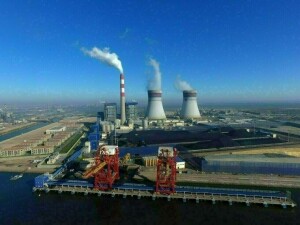
The biggest challenge facing the government today is the power sector. These words were echoed by none other than Prime Minister Imran Khan himself earlier last week. These words have been echoed midway in their respective tenures by PM Gilani and PM Sharif as well. A decade on, and the power sector remains a headache. Safe to say, it has not been dealt with very well.
Honest admission is a good start. But this is not the first one. One would still come to terms with the state of affairs if there is evidence of visible progress on the reform front. There is none. The problems are deep-rooted and are at least a decade old if not more, and while it is correct to say they won’t be solved overnight (or even in 5 years), there should at least be a clear roadmap, that instills hope.
Time and again, reforms have been handed over to donors, and that clearly has not worked. Pakistan has had numerous IMF, World Bank and ADB programs aimed at structural power sector reforms, rationalizing prices, streamlining processes, revamping distribution companies to sell them later, limiting and targeting subsidies, and scores of others. Save from a little notable progress, all others get stalled, rolled back, chopped, and changed before the goal is anywhere to be achieved.
If the PM’s words are to be believed, power sector sits number one on the priority list of challenges. One hopes it also sits atop the reforms list. There have been talks of rationalizing the subsidies and targeting them to the more needy. Ehsas Program has been one of the few bright spots in the rather patchy government performance, and it could be tailored to direct the power sector subsidies better as well.
The government still has more than 30 months to make things right. If the first 27 have not seen enough progress and were difficult for one reason or the other, the next 30 should ideally be much easier. One hopes the needle moves beyond the same-old tactics of branding revenue-centric measures as ‘reform’. That did not work in the past, and little has changed for it work in the future.
Taking a deeper look at the regulatory affairs, the synchronization of dozens of related departments in the energy chain, the political will to let go of the power generation and distribution business, the need to implement the rules of the game in letter and spirit – are things that could bring Pakistan closer to what could be termed ‘reform’. Simply giving in sometimes or resisting at other, on power tariffs, is not reform.








Comments
Comments are closed for this article.