


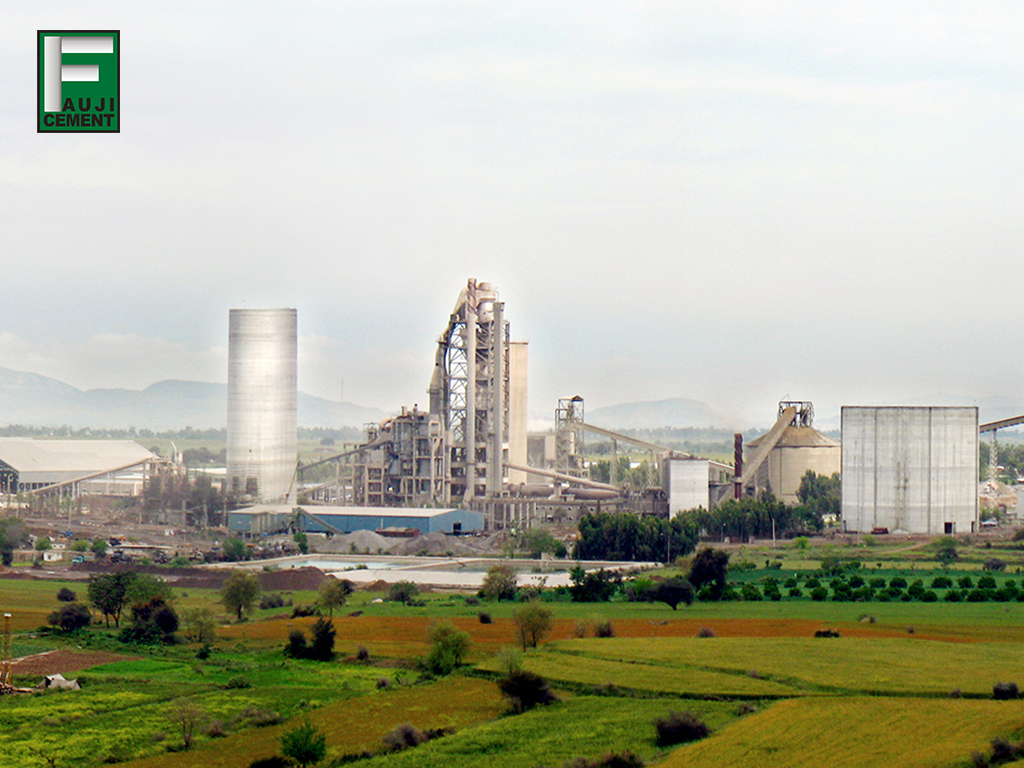

Following a similar trajectory to its peers, Fauji Cement (PSX: FCCL) has marked a dreary end to the year that was FY20 turning a solid loss of Rs59 million despite a tax credit that had cushioned the decline.
Though some blame could be levied on the covid-19 outbreak since the company was still profitable by the first half of the fiscal year, earnings had plummeted a good 75 percent year on year. Coronavirus was just the last nail in the coffin. During the first half—pre-corona—volumes had grown by 7 percent driven by a recovery in both exports and domestic markets. Before that, demand in both segments was dullard due to economic slowdown and reduced private and public sector spending. But the volume growth translated to a decline of 8 percent in revenues due to lower retention prices in the north zone as competition was booming in those markets.

Things took a turn to the worse as soon as covid-19 realities hit, and lockdowns were enforced which meant most factories were closed down. Even if production was resumed, reduced demand in construction when the country was battling a pandemic was inevitable. In 9M, revenues fell 14 percent. As it stood, revenue per ton sold (according to records from the annual report) rose 19 percent in 9MFY20 year on year. In the full year financials, though volumetric numbers are not available, it is safe to assume that the 17 percent decline in revenues is both a function of stunted growth in volumes and tight pricing.
Costs per ton sold in 9M (using as a proxy for the year) rose 3 percent. Rupee depreciation and inflationary pressures brought costs up. However, coal prices globally have been on a decline which may have shielded the company from some of its cost burdens; but barely. Margins during the year have slid into single digits. After accounting for overheads—overall improved to 4 percent of revenues in FY20 against 5 percent in FY19—and finance costs which ballooned due to higher cost of borrowing—about 2 percent of revenues in FY20 against 0.5 percent in FY19; the decline into a net loss was unavoidable.
Fortunes will evolve over the next few months as demand dynamics have changed considerably. With the government’s push to promote the industry with a comprehensive construction package as well as the Naya Pakistan Housing Program, demand will flow into cement and other construction materials which will revive performance. Prices are expected to improve, and coal prices are still low—earnings will recover.





















Comments
Comments are closed for this article.