


LCCI advocates dialogue to help end transporters’ strike
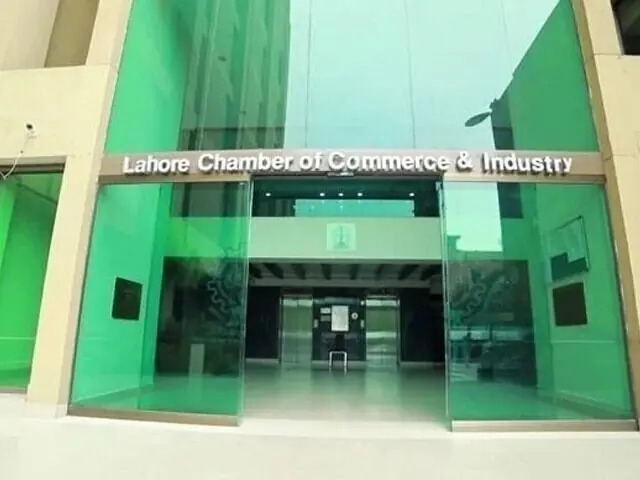

LAHORE: Lahore Chamber of Commerce and Industry (LCCI) President Faheem-ur-Rehman Saigol has urged the federal government to resolve the ongoing nationwide transporters’ strike through meaningful dialogue and mutual understanding, warning that the prolonged disruption is increasingly threatening Pakistan’s supply chain, exports, industrial production and overall economic activity.
Expressing serious concern over the strike entering its sixth consecutive day, the LCCI President said the deadlock between the government and transporters could have far-reaching consequences for businesses and consumers if not resolved immediately.
He emphasised that transportation is the backbone of the national economy, connecting manufacturers with markets, ports and consumers, and any prolonged disruption inevitably creates pressure across the entire economic chain.
In a statement issued on Thursday, LCCI President Faheem-ur-Rehman Saigol, Senior Vice President Tanveer Ahmed Sheikh and Vice President Khurram Lodhi said the government should adopt a pragmatic and conciliatory approach and address the genuine concerns of the transport community while ensuring that the national interest, industrial activity and uninterrupted movement of essential goods remain protected.
Saigol said the impact was no longer confined to the transport sector; the textile industry, one of Pakistan’s major export-oriented sectors, has already reported serious disruption.
According to estimates, export containers worth around USD 500 million are stranded at factories, with exporters facing the risk of missed shipment deadlines, additional demurrage and detention charges and potential claims from international buyers.
“The situation is particularly alarming because the textile sector is currently passing through a crucial shipping period. Pakistan cannot afford to lose export orders or damage its credibility with international buyers because of disruptions in domestic logistics,” he said.
The LCCI President further said that prolonged disruption of transportation would also affect the availability and prices of food items, industrial raw materials, petroleum products and other essential commodities, potentially adding to inflationary pressures at a time when businesses and consumers are already facing high operating and living costs.
Recent reports have also highlighted disruptions to imports, exports and essential food supplies across the country.
He stressed that both sides should demonstrate flexibility and avoid allowing the dispute to become a prolonged confrontation. “The transport community is an important partner in economic development and its legitimate concerns should be heard, but at the same time, the uninterrupted movement of goods is essential for the survival and growth of businesses.”
He suggested that the government should consider establishing a permanent consultative mechanism involving transporters, chambers of commerce, exporters, manufacturers and relevant government departments so that sectoral issues can be resolved before they escalate into nationwide strikes.
He also called for a special mechanism under which export cargo, essential commodities and critical industrial inputs could continue moving during any future disruption, minimising losses to the economy and protecting international shipments.
The LCCI President said that Pakistan needs policy and institutional stability to strengthen exports, attract investment and promote industrialisation. Repeated disruptions to logistics and supply chains send a negative signal to international buyers and investors and can undermine the competitiveness of Pakistani businesses.
He appealed to the transporters to keep the channels of dialogue open and urged the government to accelerate negotiations at the highest level, saying that an amicable settlement was in the best interest of transporters, exporters, manufacturers, traders, consumers and the national economy as a whole.
“Pakistan needs economic activity, not economic disruption. At this critical juncture, all stakeholders must demonstrate responsibility and resolve the issue through dialogue so that the wheels of industry, trade and exports can start moving without further delay,” Saigol added.
Copyright Business Recorder, 2026























Comments