


From selling solar to storing solar?
Pakistan's solar net metering has surged, but regulatory changes and the rise of battery storage are reshaping its energy landscape, demanding proactive grid planning.
- Rapid growth in Pakistan's net-metered solar.
- Regulatory changes impacting grid-connected solar.
- Surging lithium battery imports for energy storage.
- New challenges for grid planning from distributed energy.
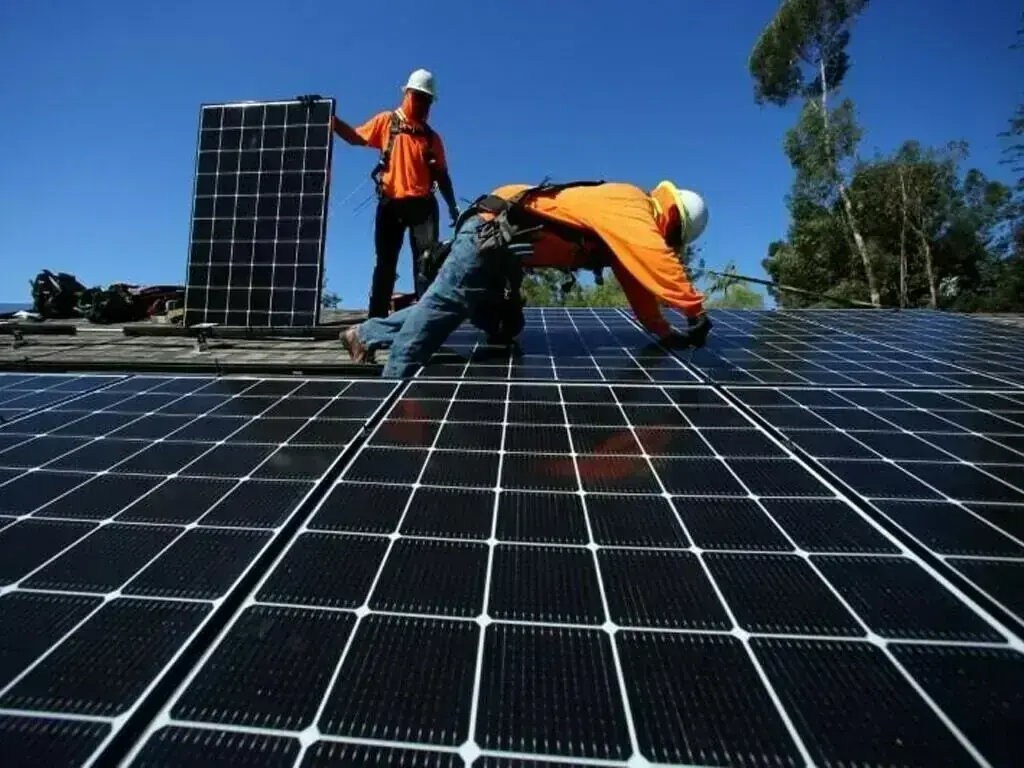
Pakistan’s solar story is entering another awkward phase for grid planners. Net metering continues to climb at a remarkable pace, even as the regulatory framework that fuelled its rise is being rewritten and batteries begin to emerge as the next disruption.
The latest numbers leave little ambiguity. In June 2026, electricity purchases from net-metered consumers reached roughly 270 GWh, against barely 20 GWh in June 2023. That is more than 13 times higher in just three years.
The growth has been remarkably consistent. Net-metered purchases have risen every year across much of the calendar, with 2026 already running well above the levels seen in previous years. The April peak is particularly telling. Net-metered purchases touched nearly 390 GWh in April 2026, compared with around 310 GWh a year earlier and just 100 GWh in 2024.
This is happening despite the solar import story becoming more complicated.
Pakistan’s cumulative solar panel imports are now believed to have crossed 55,000MW. Yet the officially net-metered installed base remains a fraction of that. The disconnect is important. It means the solar revolution has never been confined to grid-connected rooftops. A substantial volume has gone into self-consumption, commercial and industrial systems, hybrid installations and increasingly, storage-backed systems.

For the grid, however, net metering remains the most visible manifestation of the shift. Every additional megawatt connected under the old framework changes the relationship between consumers and the distribution system. Daytime demand falls. Excess generation flows back into the grid. And the traditional model of recovering network costs through volumetric electricity sales comes under increasing pressure.
That model is now being recalibrated.
With net billing replacing the earlier net-metering framework for new connections, the extraordinary pace of new grid-connected solar is expected to moderate. The economics of exporting surplus electricity will become less attractive. Consumers will have a stronger incentive to consume their own generation rather than send it back to the grid.
And that is where the next phase begins.
Batteries are no longer a distant possibility. July lithium battery imports reached an unprecedented USD88 million, the highest monthly figure on record. Just two years ago, Pakistan imported roughly USD1 worth of lithium batteries for every USD80 to USD85 spent on solar panels. In July, that gap had narrowed to just USD2.5.
The two trends can coexist. Slower net-metering growth does not mean the solar revolution is ending. Nor does rising battery adoption mean panels have run their course. In fact, the more likely outcome is that solar and storage increasingly grow together, with batteries allowing consumers to capture more of the value generated by their panels.
For grid planners, that creates a more difficult problem.
The old solar challenge was visible. Rooftop generation was growing rapidly and net-metered capacity could be tracked. The response was largely reactive. Pakistan spent years debating the implications of distributed solar while the market moved ahead.
Storage is potentially more disruptive because it changes the timing of electricity consumption. A solar-plus-battery household does not merely generate electricity during the day. It can shift that generation into the evening, when the grid needs it most and tariffs are typically higher. At scale, this could fundamentally alter the shape of demand.
The irony is that just as the growth in net metering may begin to slow because of regulatory changes, the technology capable of taking distributed generation to the next level is accelerating.
This time, planning cannot afford inertia.
Pakistan has already experienced the cost of being late to the solar revolution. A similar delay in understanding the storage revolution could create another mismatch between the power system that exists and the power system consumers actually want.
The task now is not to stop distributed energy. It is to plan for it. Grid investment, tariff design, demand forecasting, network charges, utility finances and system balancing all need to be assessed against a future in which consumers increasingly generate, store and manage their own electricity.
The solar revolution caught the system by surprise once. Pakistan can ill afford to let storage do the same.



















Comments