


Smoking claims estimated 164,000 lives every year in Pakistan: report
A study reveals Pakistani smokers avoid harm reduction alternatives due to widespread misinformation, largely from anti-tobacco campaigns equating all nicotine products, leading to significant health and economic costs.
- Pakistan's high smoking-related deaths and economic burden.
- Smokers' misconceptions about nicotine and smokeless alternatives.
- Anti-tobacco campaigns as a source of misinformation.
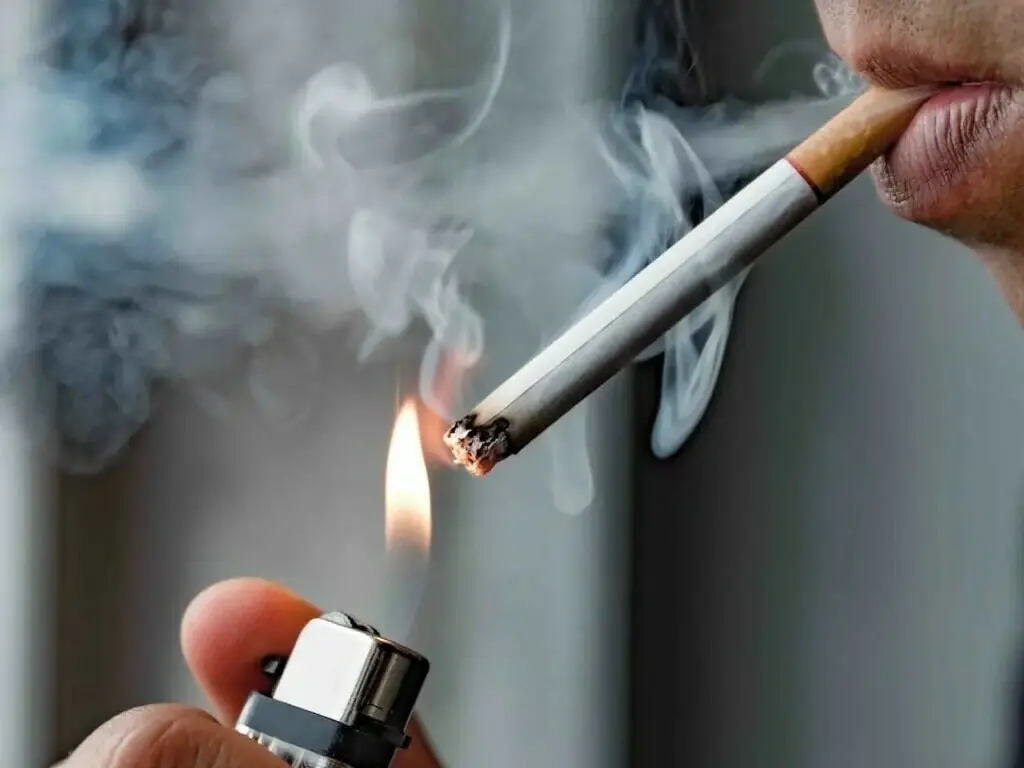

LAHORE: Smoking claims estimated 164,000 lives in Pakistan each year and costs the country a whopping Rs 422 billion in healthcare and lost productivity. It hooks 18.3 million adults, one in five Pakistani men, inside a combustion habit that the scientific world declared preventable decades ago.
A new study finds that the single biggest reason Pakistani smokers refuse to consider alternatives has nothing to do with price, access or habit. It has to do with lies and the organisations spreading them.
The Switch Report, Pakistan’s first largest survey on what smokers think about alternatives to regular cigarettes, looked at 1,600 adults across six provinces, including 1,085 confirmed smokers. Between January and May 2026, the WTA compiled the research which included a combination of quantitative data and focus group analysis conducted in Karachi, Lahore, and Islamabad and a global review across eight countries.
About 59.3pc of the smokers in Pakistan feel that smokeless products, including vapes and nicotine pouches, are more hazardous than cigarettes. Around 56.6pc of smokers attribute smoking-related disease, including cancer to nicotine not to combustion. This single factual mistake collapses the entire scientific case for harm reduction.
A smoker who thinks nicotine causes cancer won’t see any difference between a regular cig and a nicotine pouch. This makes no sense logically. Every alternative looks equally deadly.
The report does not dodge accountability. It identifies anti-tobacco organisations and public health drives that treat all nicotine products as equivalent making no distinction between combustible cigarettes and smoke-free alternatives as a primary driver of the misinformation environment. Pakistani smokers receive most of their health information from family members (40.5pc), social media (34pc) and peers (31.8pc). Only 22.4pc cite healthcare professionals despite 78pc saying they trust doctors most.
In situations where over 50pc of all smokers wrongly perceive nicotine as being carcinogenic, one realizes that there is a great failure in educating people against false stories from anti-smoking campaigns. The government must take steps to counter misinformation and create an environment where smokers can access factual, evidence-based information says Shahbaz Khan, CEO WTA.
Copyright Business Recorder, 2026

























Comments