


Sri Lanka raises fuel prices as inflation spikes
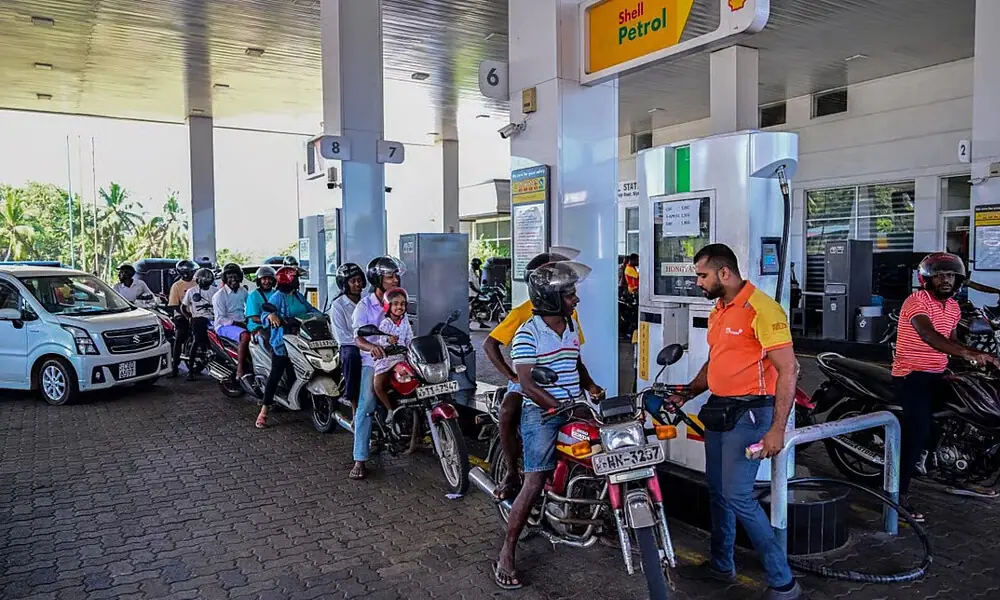

COLOMBO: Sri Lanka raised fuel prices by nearly four percent on Sunday, further fuelling inflation, which more than doubled last month due to the Middle East war.
Since March, Sri Lanka has raised fuel prices by more than 35 percent, while gas and electricity rates have also increased by a similar amount.
The island has also rationed fuel following supply disruptions.
On Sunday, the state-owned Ceylon Petroleum Corporation increased the price of kerosene — used by agricultural machinery — to 265 rupees ($0.85) a litre, up 10 rupees.
Petrol rose 12 rupees to 410 rupees ($1.32). Diesel was up 10 rupees to 392 rupees.
Higher energy prices pushed inflation to more than double, reaching 5.4 percent in April, according to official data.
Fuel and electricity tariffs drove up
transport costs as well as food prices, the Department of Census and Statistics said.
The island has been slowly emerging from the 2022 economic meltdown, when it ran out of foreign exchange reserves to pay for essential imports such as food, fuel and medicines.
However, it was hit hard in November by a cyclone that killed at least 643 people and affected more than 10 percent of the island’s 22 million population.
The storm caused an estimated $4.1 billion in direct physical damage to buildings and agriculture, according to the World Bank.
The country has been stabilising its fragile economy with the help of a $2.9 billion IMF bailout agreed in early 2023, but high energy prices have seriously challenged recovery efforts.

























Comments