


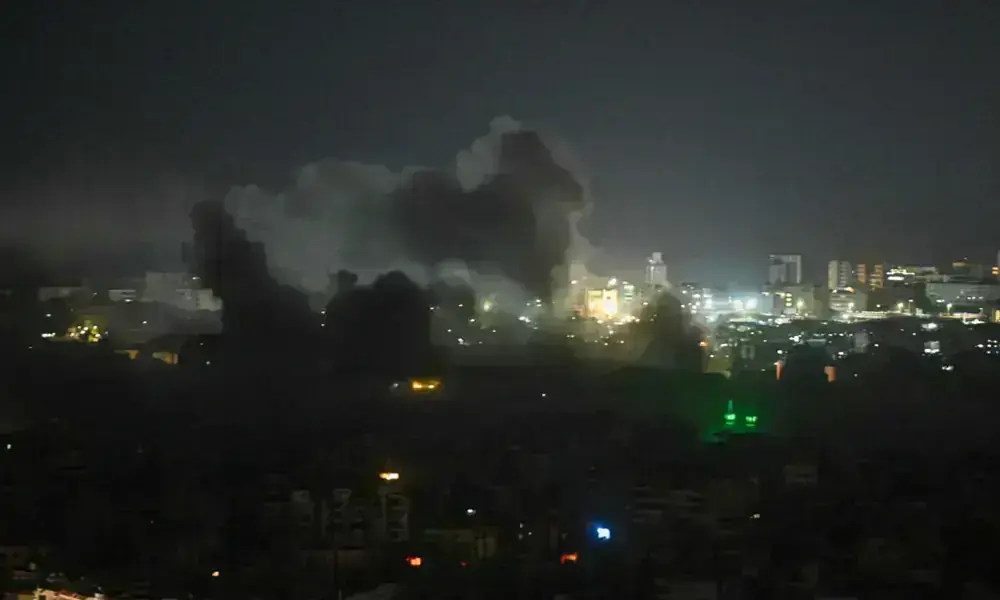

What began as a bold show of military strength is rapidly turning into a complex geopolitical crisis marked by miscalculation, diplomatic isolation, and growing internal dissent within the United States itself. The unfolding war against Iran, launched with expectations of swift dominance, is now exposing deep cracks in strategy, alliance management, and intelligence assessment—leaving Washington increasingly isolated in a conflict it assumed others would help carry.
The latest turning point came when President Donald J. Trump openly expressed frustration after failing to persuade European allies to join a U.S.-led naval coalition to secure the Strait of Hormuz. In a striking shift in tone, Trump—who had spent days urging NATO members to send warships—dismissed their refusal with visible irritation, stating, “We don’t need any help actually.” Yet his remarks revealed more than confidence; they exposed disappointment at what he described as NATO’s “very foolish mistake” in refusing to support a war many European leaders insist they did not start.
This rejection has profound implications. The Strait of Hormuz carries nearly 20% of the world’s oil supply, and its disruption has already sent shockwaves through global markets. While the United States framed its request as a shared responsibility for global energy security, European leaders saw it differently. British Prime Minister Keir Starmer and Germany’s Defense Minister Boris Pistorius made it clear: this was not a NATO mission, nor a war they were willing to join. Their refusal reflects a broader shift—one in which even long-standing allies are no longer willing to automatically align with U.S. military initiatives lacking international consensus.
Copyright Business Recorder, 2026
The writer is a former Press Secretary to the President, An ex-Press Minister at Embassy of Pakistan to France, a former MD, SRBC Macomb, Detroit, Michigan

























Comments
Comments are closed for this article.