


European retailers warn of price shock, weaker demand from prolonged Middle East conflict
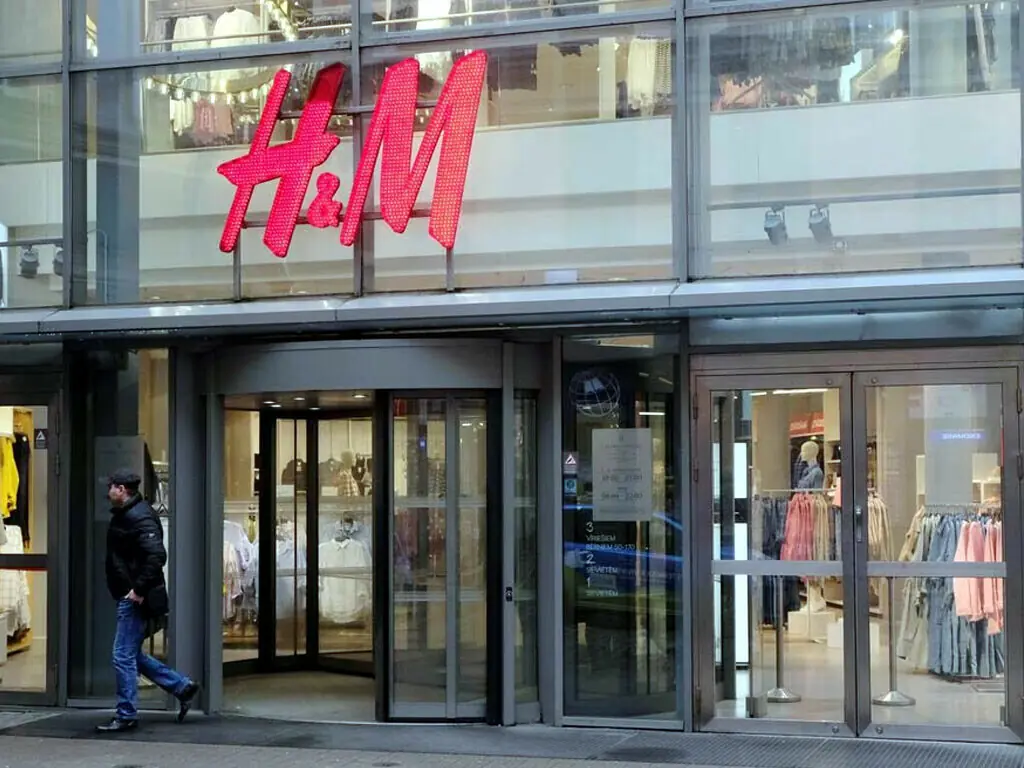

STOCKHOLM/LONDON: Europe’s retailers warned on Thursday that a prolonged Middle East conflict could push up sticker prices in Europe and dent consumer demand for companies from clothing giant H&M to British supermarket chain Co-op.
The cautions are the bluntest from the sector so far as companies feel the ripples of the month-old war’s impact, with crude prices shooting above USD100 per barrel, raising transportation costs and disrupting global trade flows.
“A continued conflict, such as with continued high energy prices, will create inflationary pressure on a consumer who already has tough inflationary pressure,” H&M CEO Daniel Erver told Reuters in an interview.Swedish-based H&M, which posted soft March sales that weighed on its shares despite a first-quarter profit beat, said its flexible supply chain would allow it to adapt to fallout from the war.
STICKER PRICE SHOCK IF WAR DRAGS ON
British clothing retailer Next said it may need to raise prices in June, and has factored in 15 million pounds (USD20 million) of extra fuel, freight and other costs linked to the war, assuming three months of disruption.
CEO Simon Wolfson told Reuters that any price increase in June or July would be “in the order of 1 percent to 2 percent maximum,” rising further if the conflict continues. Next posted a narrow profit beat for the year through January.
“The real risk is later when you start to see (the impact of the war) in the price of manufactured goods. Then the price increases could be not 1 percent or 2 percent but 5 percent to 10 percent,” he said.
On a brighter note, he said people were still spending for now.
“Our experience has been that generally people only tighten their belts when prices actually go up or taxes actually go up rather than in anticipation of it,” Wolfson said. Next has not seen a notable drop in UK sales since the war began.
Poland’s biggest fashion retailer LPP reported a rosy fourth-quarter on Thursday, but warned the conflict was driving up fuel prices and could affect its performance this year due to higher transportation and distribution costs.
Europe’s consumers are starting to feel the pinch.
British retail sales tumbled this month by the most since April 2020, a Confederation of British Industry survey showed on Tuesday. A separate British Retail Consortium survey on Thursday showed UK consumer confidence collapsed in March.
German consumer sentiment is worsening as households brace for energy prices driven higher by the war, while morale among Italian consumers fell in March to its lowest since late 2023.
In Asia too, firms selling items from beer and crisps to noodles, toys and cosmetics are bracing for the impact as the war wreaks havoc on supply chains.
“Consumer confidence does remain fragile,” said outgoing Co-op CEO Shirine Khoury-Haq, with the war and pressure on household costs making customers “still cautious.”
Matt Hood, managing director of Co-op food, told Reuters he had not yet seen a direct impact from the war on inflation at the “shelf edge” but said it was a looming risk.


























Comments
Comments are closed for this article.