


Long-term agri productivity: Critically low levels of organic matter content in soils raising concerns
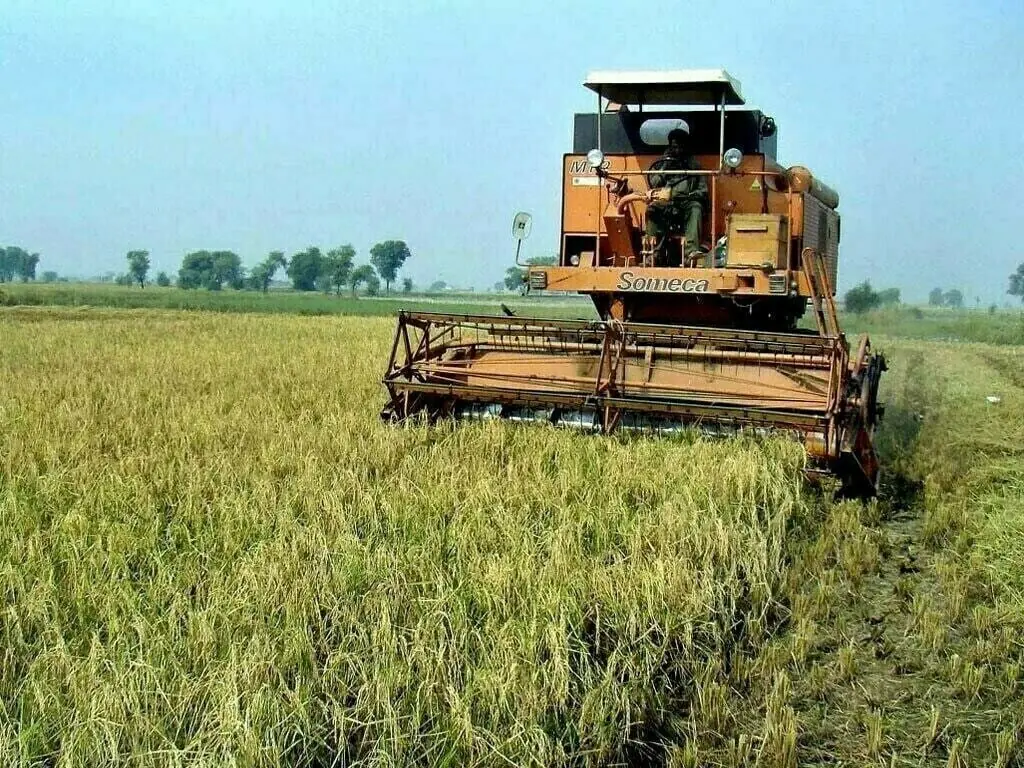

ISLAMABAD: A parliamentary panel was informed on Wednesday that the organic matter content in Pakistan’s soils has fallen to critically low levels, raising concerns about long-term agricultural productivity.
Officials of the Ministry of National Food Security and Research (MNFS&R) told the Senate Standing Committee on National Food Security and Research that while healthy soil should contain at least two per cent organic matter under international standards, the level in Pakistan has dropped to below 0.5 per cent.
Dr Tariq Sultan of the ministry, while briefing the committee chaired by Senator Syed Masroor Ahsan, said a comprehensive soil fertility improvement plan based on bio-fertilizers and compost had been proposed in the Public Sector Development Programme (PSDP) for the MNFS&R for the fiscal year 2026–27 to address the issue.
He explained that bio-fertilizers could help mobilise fixed phosphorus in soil, reduce reliance on chemical fertilisers, and enhance crop yields. He stressed the need to transfer biotechnology solutions directly to farmers to boost productivity.
The committee reviewed 15 proposed PSDP projects of Rs 20.5 billion of MNFS&R for the fiscal year 2026-27.
Dr Ramzan informed the meeting that Pakistan currently lacks a genome reference facility for crops and livestock. “To bridge this gap, a project to establish a Genome Reference Facility is being developed. The facility would enable DNA certification of Pakistani crops, improving traceability and facilitating international registration.” He added that Basmati rice would also be formally registered through DNA profiling once the facility becomes operational.
A senior official of MNFS&R informed the committee that a Controlled Environment Facility is being planned in Gilgit-Baltistan to boost fruit exports from the region. The project will be executed under a public-private partnership model, with 80 percent financing from the government and 20 percent from the local community, he said, adding the estimated cost of the project is Rs800 million.
Dr Ramzan also shared details of a USD 13 million potato seed supply centre to be established with the cooperation of Korea. The project will be funded through a Korean grant and aims to ensure the availability of certified, high-quality potato seed in the country.
A senior official of the Livestock and Dairy Development Board (LDDB) presented a Rs300 million project to develop a rural industry in G-B based on livestock wool and hair. The materials could be used in carpet manufacturing. The project also includes skills training for local communities and the establishment of display centres for locally manufactured products, he said.
He also informed that LDDB is also planning to establish a modern wholesale meat market and slaughterhouse in Islamabad at an estimated cost of Rs3 billion. The facility will be constructed on eight acres in the I-11 sector and aims at improving hygiene standards and streamline meat supply chains in the federal capital.
Officials from the Pakistan Agricultural Research Council (PARC) informed the committee about a Rs745 million initiative to develop new date palm varieties. A tissue culture laboratory will be set up to support the development and propagation of improved varieties.
The committee was further informed that Phase-II of the Olive Value Chain Project will be completed by June 2026, after which Phase-III will commence. The next phase aims to establish cluster-based commercial olive orchards on 40,000 acres and graft 300,000 wild olive trees, along with providing comprehensive training to farmers.
The officials of MNFS&R informed the committee that projects related to livestock & Horticulture development were discussed, including an initiative for improving indigenous breeds and disease control, and a Rs 8,000 million project for the development and export of camel milk powder will be established in Balochistan and Thar.
The Ministry further presented projects on strengthening the National Agri-Food Laboratory network (Rs 490 million), expanding cotton cultivation in potential districts of Balochistan (Rs 808.250 million), building reference genomes and AI-driven crop improvement (Rs 786.816 million), and establishing a Controlled Atmosphere storage facility for fruits in G-B under a public-private partnership model.
Copyright Business Recorder, 2026


























Comments
Comments are closed for this article.