


Operation Ghazab lil-Haq: 352 Afghan Taliban killed, over 535 injured, says info minister
- 130 Afghan check posts destroyed, says Tarar
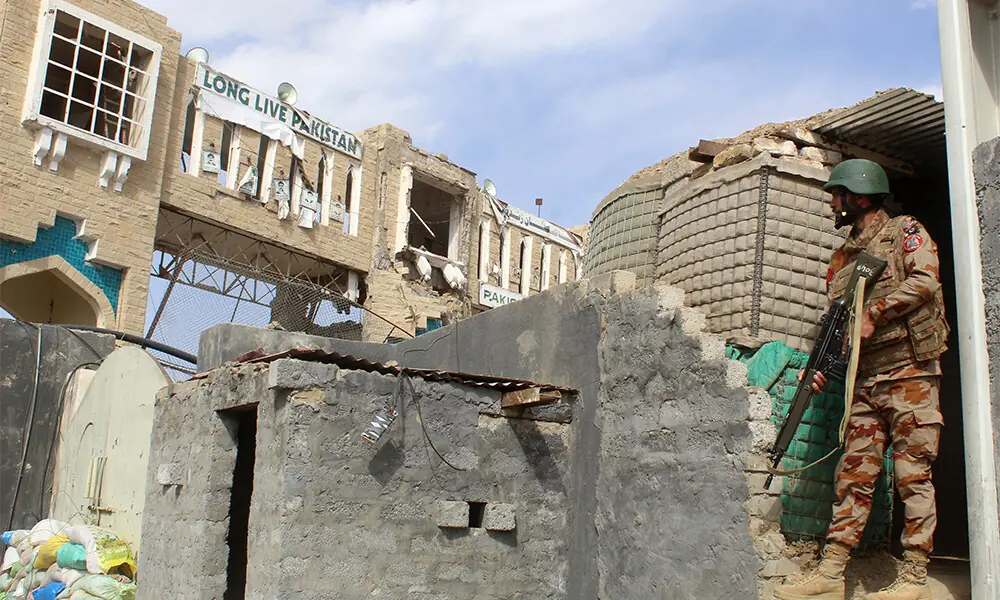

Information Minister Attaullah Tarar said on Saturday 352 Afghan Taliban were killed and more than 535 were injured during “Operation Ghazab lil Haq”.
In a post on X, the minister shared the latest details, saying that Pakistan had destroyed 130 check posts and captured 26 posts.
He further said that Pakistan had destroyed 171 tanks and armed vehicles of the Afghan Taliban, adding that 41 locations across Afghanistan were effectively targeted through air operations.
Tensions increased between Pakistan and Afghanistan, culminating in the launch of Operation Ghazab lil-Haq by Islamabad after unprovoked cross-border firing from the Afghan side.
Tensions escalated following a series of security incidents, with Islamabad repeatedly expressing concern over terrorist groups allegedly operating from Afghan soil.
Meanwhile, US President Donald Trump on Friday threw his support behind Pakistan, praising its strikes on the Taliban in Afghanistan as evidence the country was “doing terrifically well”.
Asked whether anyone had requested him to intervene, Trump said, “Well, I would, but I get along with Pakistan, as you know, very well. Very, very well.
“[They] have a great prime minister, a great general there, a great leader … two of the people I really respect a lot,” he said, referring to Prime Minister Shehbaz Sharif and Chief of Defence Forces and Chief of the Army Staff Field Marshal Asim Munir.
“And I think that Pakistan is doing terrifically well,” Trump said.
On Friday, addressing a press conference in Rawalpindi, Director General of Inter-Services Public Relations (ISPR), Lt Gen Ahmed Sharif Chaudhry, said Afghan Taliban forces had initiated unprovoked cross-border firing in 15 sectors across 27 locations along the Pakistan-Afghanistan border.
He said Pakistan security forces “effectively repulsed” the attacks and launched calibrated counterstrikes in response.
He said Pakistani air strikes hit military targets at 22 locations across Afghanistan, including in Kabul, Kandahar, Paktia, Nangarhar, Khost and Paktika provinces.
According to the spokesperson, the aerial strikes targeted what he described as core headquarters of Afghan Taliban forces, brigade and battalion headquarters, sector headquarters, ammunition depots and logistics bases.
“All these targets were very carefully selected based on intelligence,” Chaudhry said, adding that efforts were made to avoid civilian casualties.


























Comments
Comments are closed for this article.