


Surge in used car imports sparks concern in auto industry
- Local vendors losing between Rs48 billion to Rs 60 billion annually due to declining demand for locally produced components, according to some estimates
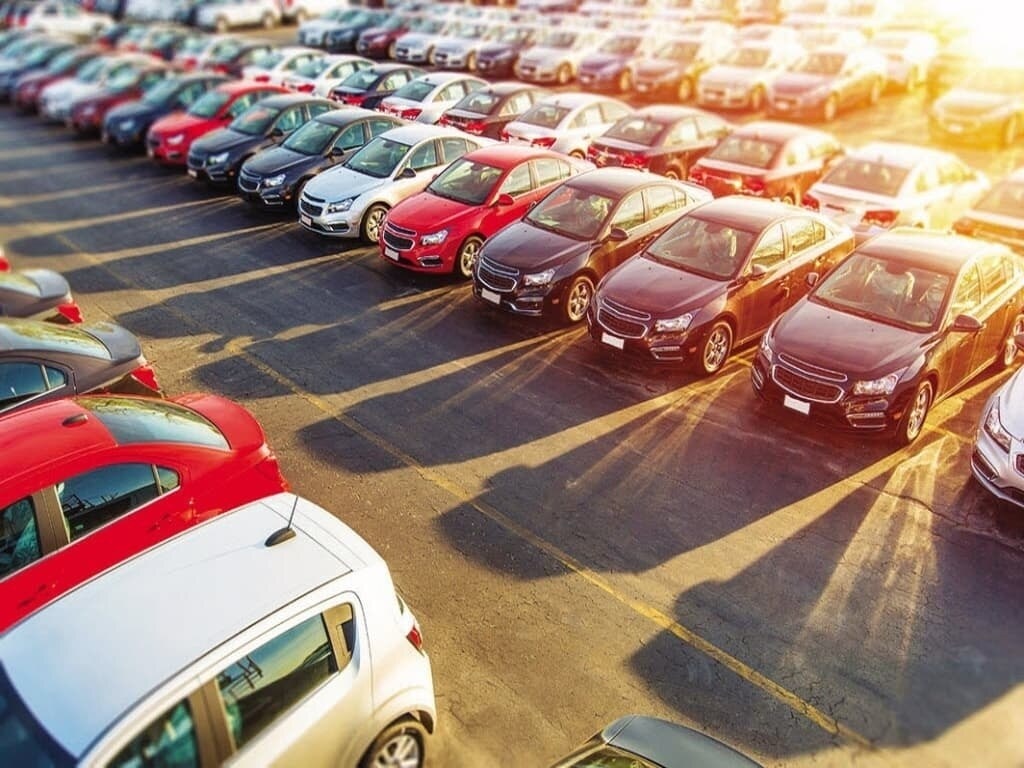

ISLAMABAD: Pakistan’s domestic auto industry is becoming increasingly wary of the surge in imported old/ used vehicles, which could seriously jeopardize local manufacturing, employment, and the country’s financial compliance regime.
According to new data from the Engineering Development Board (EDB) and industry associations, the market share of imported used cars has more than doubled, from an average of 7.5 percent between 2020 and 2023 to 20 percent in 2025. The Pakistan Association of Automotive Parts & Accessories Manufacturers (PAAPAM) estimates that local vendors are losing between PKR 48 billion and PKR 60 billion annually due to declining demand for locally produced components.
Industry sources warn that if current policies continue, this share could rise to 50 percent, meaning one out of every two cars sold in Pakistan would be a used import—effectively sidelining domestic assembly lines and shrinking local production capacity.
Used car imports cost auto-parts sector up to Rs60bn yearly
The sharp rise in used car imports has sent shockwaves through the local auto-parts industry, the backbone of Pakistan’s manufacturing base.
Each imported vehicle, industry experts note, replaces roughly PKR 1.5 million worth of domestic parts. As a result, many small and medium-sized enterprises (SMEs) supplying the auto sector are facing idle capacity, financial strain, and potential closures, reversing years of progress in localization and technology transfer.
The human cost of the policy distortion is also mounting. Pakistan’s auto-parts manufacturing sector directly employs around 300,000 workers and supports an additional two million indirectly—more than any other sub-sector in manufacturing.
“With every used vehicle that enters the country, many blue-collar jobs are effectively lost,” an industry official said.
Moreover, the misuse of various import channels—such as the “gift,” “baggage,” and “transfer of residence” schemes—has enabled widespread under-invoicing, mis-declaration, and tax evasion.
Authorities have also expressed concern that a portion of payments for these imports is being routed through hawala/h undi systems, fuelling capital flight and undermining Pakistan’s compliance with international financial watchdogs such as the Financial Action Task Force (FATF).
With the Government imposing an additional 40 percent regulatory duty on the commercial import of used cars, which is to be tapered off to zero rating by 2028-2029, another floodgate of commercial-scale import of used vehicles is expected, experts said.
Reputedly, the recent attempts to merge multiple import schemes into a single, tightly monitored framework to curb misuse were also not approved.
Industry representatives, however, insist that deeper structural reforms are needed to safeguard local industry and preserve jobs.
“We must decide whether Pakistan wants to remain a dumping ground for second-hand vehicles or build a robust, self-reliant auto manufacturing base,” a Senior office holder of PAAPAM said, and added, “The government’s vision to increase local manufacturing cannot succeed if such large-scale displacement of domestic value addition continues unchecked.”
As policymakers prepare the new Auto Industry Policy (2026–31), all eyes are on Islamabad to determine whether the next chapter of Pakistan’s auto sector will be one of industrial revival — or decline.
Copyright Business Recorder, 2025

























Comments
Comments are closed for this article.