


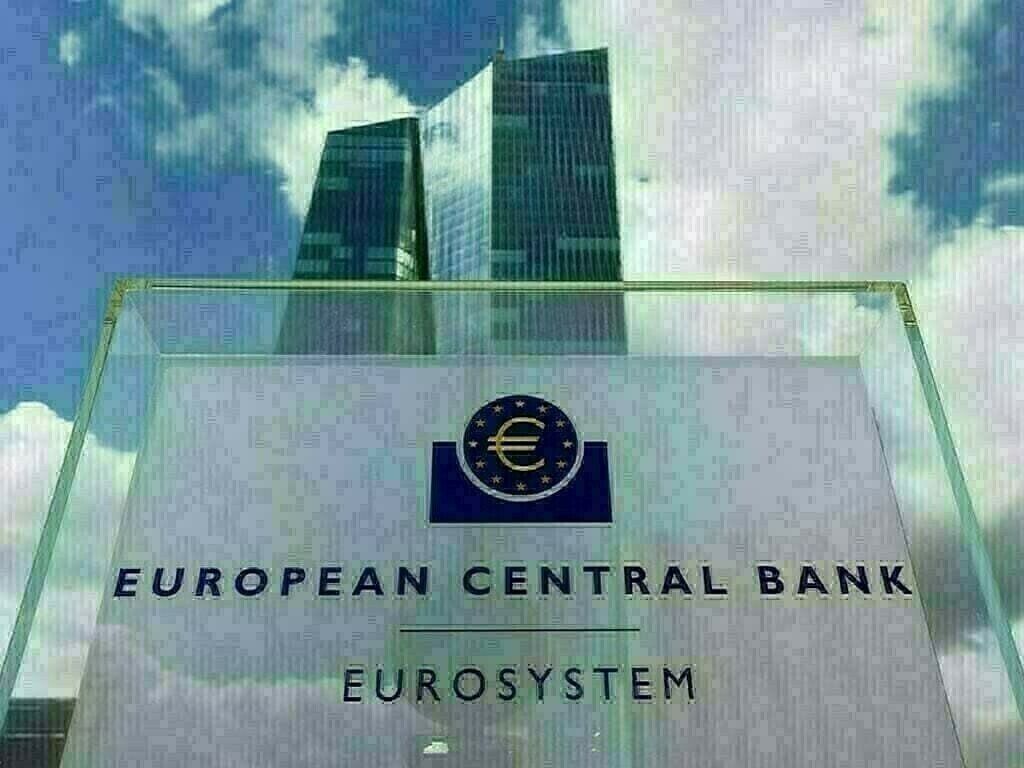

DUBROVNIK: The European Central Bank should not “overreact” to euro-zone inflation edging below its 2% target as there are good reasons to believe it will come back up, ECB policymaker Boris Vujcic told Reuters.
The ECB cut interest rates on Thursday for the eighth time in a year but signalled at least a policy pause next month, despite projecting inflation at just 1.6% next year. Inflation in the 20 countries that share the euro was 1.9% in May, according to a flash reading published last week.
Vujcic, who is also Croatia’s central bank governor, said price growth was likely to bounce back later and that monetary policy should not try to do “precision surgery” on small fluctuations from its goal.
“A few tens of basis points’ deviation on either side of the target is not a problem,” Vujcic said in an interview on Saturday in Dubrovnik. “Because you will always have small deviations. If you consider them as a problem, then you will overreact. This is not precision surgery.”
Vujcic said it was reasonable to expect inflation to edge back up as energy prices find a bottom and the economy accelerates. Euro strength is also unlikely to have second-round effects on prices unless it lasts several quarters, Vujcic said.
Some ECB policymakers, especially Portugal’s central bank governor Mario Centeno, worry that euro-zone inflation may slow too much.
Vujcic said he sees the risks surrounding the inflation outlook as “pretty balanced” but cautioned there was “complete uncertainty” surrounding global trade tensions with U.S. President Donald Trump’s administration.
ECB strategy review
Vujcic recalled advice he received as a young deputy governor from then-Federal Reserve Chair Alan Greenspan: a high rate of inflation was more dangerous than a low one. Greenspan cited two decades of relatively benign deflation in the late 19th century, which was partly due to improvements in productivity, Vujcic said.
“Nobody cared about low inflation because of the productivity growth,” he said. “You have a monetary policy problem to bring it up. Yes, but why would you insist so much if you don’t have a problem in the economy?”
The ECB is reviewing its long-term strategy, including the role of massive bond purchases, or quantitative easing, in reviving inflation when it is too low.
The ECB injected some 7 trillion euros ($8 trillion) of liquidity into the banking system through QE and other tools over the past decade. These schemes were blamed for inflating bubbles in real estate and setting up the central bank for sizeable losses.
ECB’s Villeroy: normalisation of interest rates in euro zone probably not complete
“The next time around, people will take the lessons from the previous episode, and I think that the bar for QE would be higher,” Vujcic said.
He said QE could help stabilise dysfunctional markets - such as during the 2008 financial crisis and the COVID-19 pandemic - but if used “for years and years to try and bring inflation up, its marginal efficiency declines”.
Such calls for self-criticism are shared by some policymakers in the ECB’s hawkish camp. But sources told Reuters they were unlikely to feature in the ECB’s new strategy document, to be published this summer.


























Comments
Comments are closed for this article.