


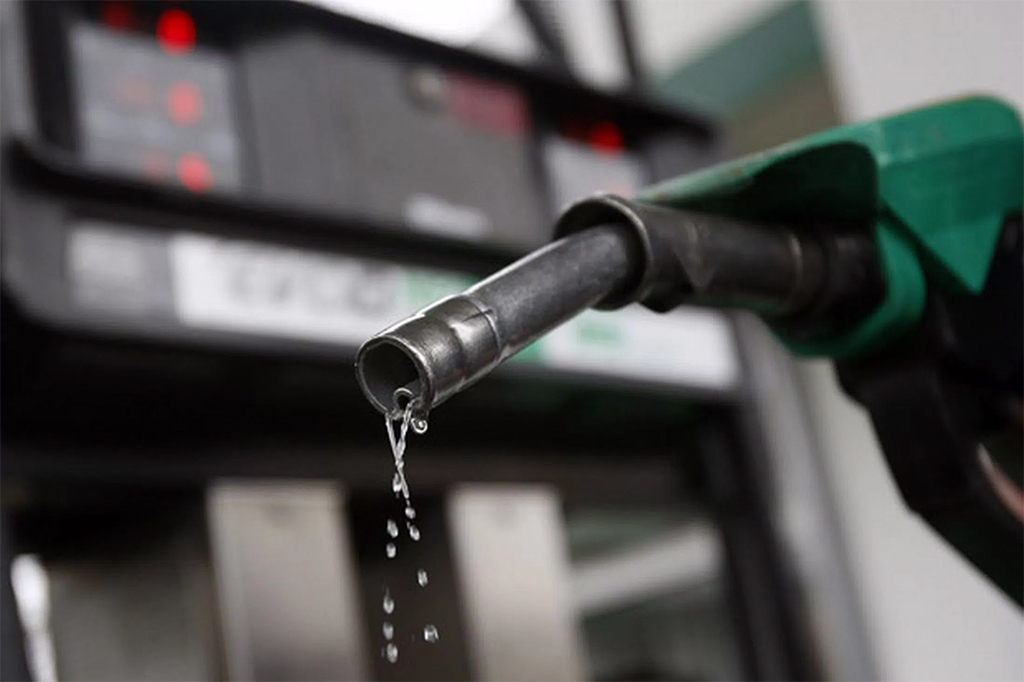

After Euro 5 petrol, Euro 5 standard diesel has been introduced in the country. This is in line with government’s plan to clean the energy mix - which includes restrictions on high sulfur furnace oil - and move to Euro 5 standard compliant fuels. The decision for the transition was taken in late June last year when the Petroleum Division decided that all petrol imports were to be switched to Euro-V compliant petrol from August 1, 2020, whereas diesel imports were to be moved completely to Euro-V standards by January 2021.
However, the rather abrupt jump from grade 2 to 5 has been subject to criticism by many for reasons such as hasty and ill-planned strategy that ignores key stakeholders that will face its impact – also mentioned by this section (For more read: The Euro-V transition). Recently, the State Bank of Pakistan in its first quarterly report (1QFY21) has also presented the short- and medium-term ramifications for two key sectors: the automotive and the refining segment. Appreciating the measure to improve urban air quality and modernize industries in the long run, the central bank also highlights how the decision is also in line with the steps being taken around the world to cut down air pollution.
SBP in its quarterly report highlights that requiring the automotive sector to equip domestic cars with Euro-5 compliant parts will result in rerouting of imports to expensive countries that offer these fuel compliant parts, thereby increasing the cost and, subsequently, the retail price of the vehicles. Whereas the refining sector is expected to face much more acute challenges such as necessitating urgent upgrade, which will further deepen the financial crunch in the sector.
However, it sometimes becomes necessary to bite the bullet. Pakistan has been a late adopter of Euro 2 standards; when the world was moving close to introducing Euro 5, Pakistan had just graduated to Euro 2. So, leapfrogging had become necessary to catchup with at least the regional peers where India has jumped from Euro 4 to Euro 6.
Also, while SBP talks about the ramifications on the local automotive sector and the petroleum sector, it must be noted that the refining sector has been delaying upgradation plans and investments for decades. The age-old refineries in the country have not been able to upgrade their refining processes where the production of furnace oil continues to overshadow the plans to phase out the dirty fuel. Also, if the country is to address the poor air quality of its key urban centers, addressing the pollution caused by the transport sector is paramount by bringing in cleaner petrol and diesel variants.


















Comments
Comments are closed for this article.