


South Korea's KOSPI hits 3,000 for the first time in history
- The benchmark KOSPI was trading down 0.3% at 2,980.70 at 0157 GMT, swinging between gains and losses after breaking above 3,000 for the first time immediately after trading began.
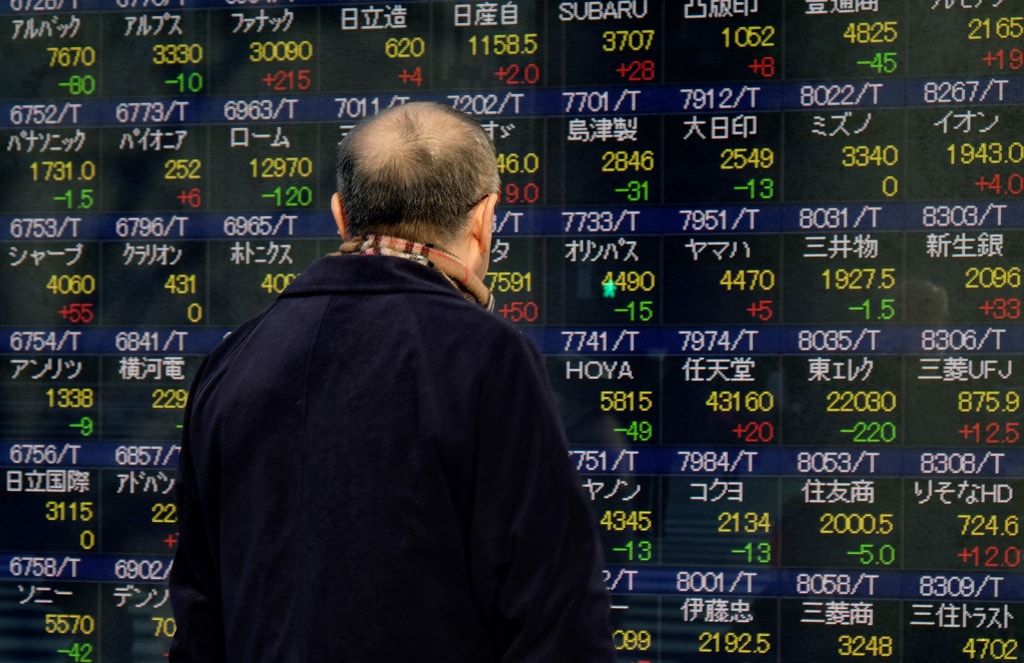

SEOUL: South Korea's main KOSPI index briefly broke above 3,000 for the first time on Wednesday, as investors driving the steepest rally in years look towards a broad recovery in exports beyond the country's tech titans.
The benchmark KOSPI was trading down 0.3% at 2,980.70 at 0157 GMT, swinging between gains and losses after breaking above 3,000 for the first time immediately after trading began.
Nicknamed as the "Boxpi" among local investors prior to the coronavirus pandemic because of its narrow range of trading, it took the index 13-and-a-half years to break above the 3,000 mark after hitting 2,000 in mid-2007.
Heavy bets on a post-pandemic world have taken the index to a new record in the final quarter of last year, even as South Korea is struggling with its largest coronavirus wave yet.
Beaten-down consumer, travel-related stocks are catching up with high fliers like biotech companies or chip makers, which outperformed the broader market last year.
"The new milestone means investors are now seeing the Korean market differently," said Lee Jae-sun, an analyst at Hana Financial Investment.
"It means the so-called Korea discount risk has been diminishing, as dividend payouts increases and shareholder return policies improve."
Seo Jung-hun, an analyst at Samsung Securities, says the index has even more room to rise.
"Although 3,000 is a round-number milestone we never saw before, I can't say Korean shares are expensive, it has just begun to catch up with other (global indexes)," Seo said.
The Kospi index surged 30.8% in 2020, its largest annual percentage gain since 2009, driven by tech shares benefiting from an upbeat outlook for the chip industry.
Samsung Electronics almost doubled in price since last year's lows reached in March, while tech giants Kakao and Naver rallied 154% and 57% respectively in 2020.
The stock market surge comes even as foreign investors heavily offloaded South Korean shares last year.
Foreign investors sold a net total of $20.1 billion South Korean shares last year, according to data from Refinitiv, while retail investors purchased a net 47.5 trillion won ($43.67 billion) of shares in the KOSPI.
Early on Wednesday, chipmaker SK Hynix was trading up 1.5%, while car makers such as Hyundai Motor and Kia Motors fell 2% each.





















Comments
Comments are closed for this article.