


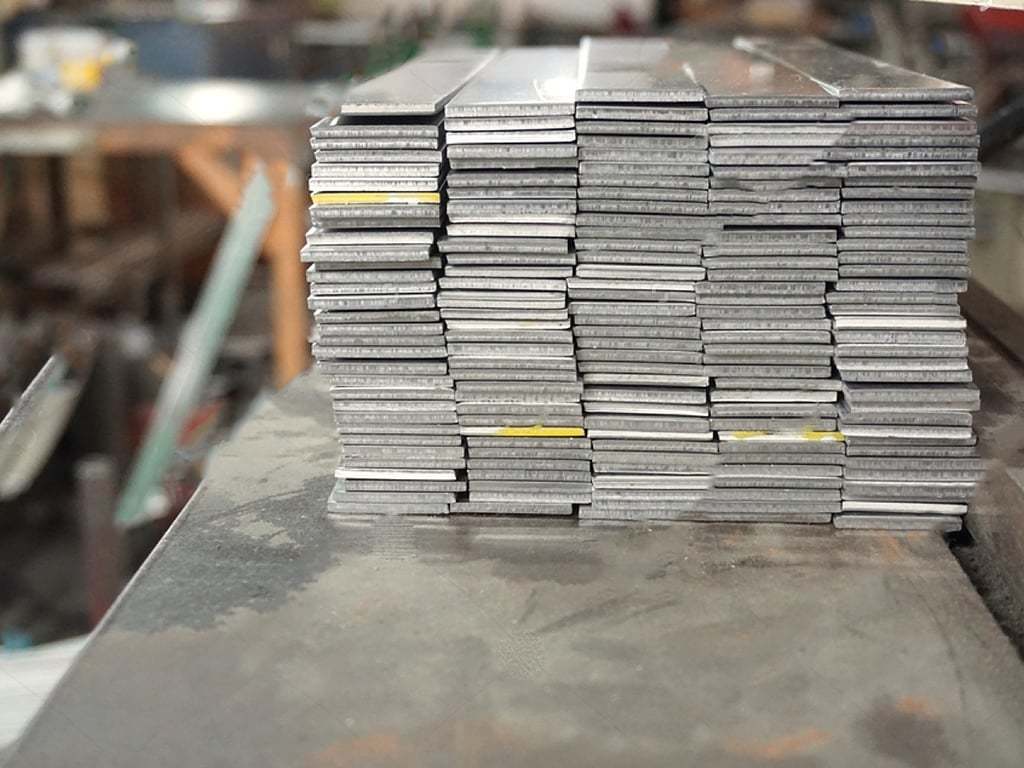

As the Competition Commission of Pakistan (CCP) busies itself in implicating cement manufacturers in cartelizing practices and after some investigation on price increases, mulls over a likely course of action against them; steel prices are also increasing. The latter, builders and developers, believe is a conspiracy of steel manufacturers to fleece consumers when demand is about sky-rocketing.
Demand is certainly up (see: “Construction take-off: Saving grace”, Dec 18, 2020) and will continue to go up on account of the construction amnesty scheme and the Naya Pakistan Housing Program which will add substantially to it given there are nearly 400 projects that are in line for approval from the Federal Board of Revenue (FBR) under the scheme. In a free market—though given the import duty structure for steel imports, one could debate the steel market is one such—demand and supply dictates prices. When opportunity arises, prices can be raised, given the producers’ confidence that those prices will be absorbed. Evidently, steel manufacturers which have undoubtedly had a rough few years financially are able to raise prices because they are certain of demand.

For context however, it is important to understand why prices are raised. Steel rebar manufacturers import steel scrap from abroad to manufacturer billets and different grades of long steel products. Though scrap prices were falling since 2017, over the last few months, they have started to rise due to shortage of supply in key markets (EU and the US) which are in lockdown, port congestions and high freight rates. Since May-20, prices have increased by 60 percent for scrap and 40 percent for rebars in the international markets. When scrap prices go up, costs to manufacture the same steel products domestically, naturally increases, given that scrap constitutes 60-65 percent of the total cost of production.
Raw material constraints amid covid-19 related supply disruptions, rising international prices and domestic energy costs will continue to put pressure on prices here at home. It really does help that demand is going strong which allows manufacturers to pass on the cost effect to consumers. Alternatively, consumers will have to buy imported steel which due to protectionary duties is more expensive.
However, the more important question here is why Pakistan is so reliant on steel scrap? According to the Bureau of International Recycling (BIR), Pakistan was the fifth largest market for steel scrap imports in 2019; Turkey being on the first spot. Pakistan is a top importer from the UK, Netherlands and Germany, amongst the 28 EU nations, while being a very low steel consuming nation. If Pakistan was producing iron ore—for which reserves already exist—it would lower its reliance on scrap and dependence on scrap import which is typically low-quality to begin with. But that’s a long road nobody—neither policy makers, nor manufacturers—wants to walk on.












Comments
Comments are closed for this article.