


Oil prices edge up on new supply worries after cargo ship hit near Oman
- Brent futures were up 93 cents, or 1.3%, to $74.67 a barrel
Oil prices fell to pre-Iran war levels as increased Middle Eastern supply expectations, driven by resumed Strait of Hormuz traffic, outweighed demand concerns and geopolitical tensions.
- Rising Middle Eastern oil supply.
- Resumption of traffic through the Strait of Hormuz.
- Iraq's potential exit from OPEC.
- Ukraine's strikes on Russian oil facilities.
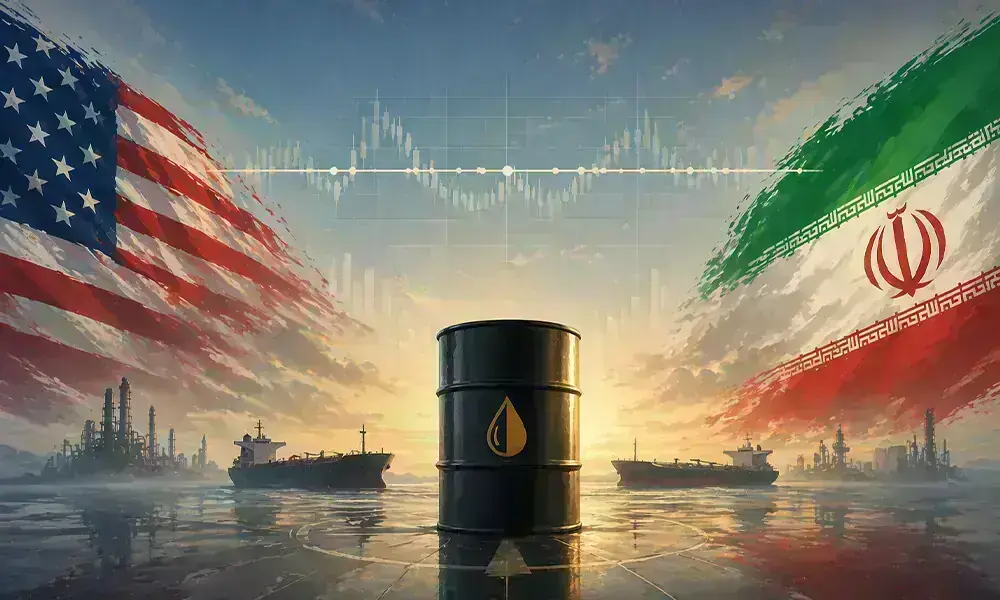

NEW YORK: Oil prices edged up about 1% on Thursday after a cargo vessel was hit by an unknown projectile near Oman, sparking worries about how long it could take for oil flows in the Middle East to return to levels seen before the U.S.-Israel war on Iran.
Before the war, about 20% of world oil supplies passed through the Strait of Hormuz between Iran and Oman, and crude futures had fallen in early trading as traders were growing optimistic after numerous vessels passed through the strait. At the session low, crude futures were at their lowest levels since February 27, the day before the war began.
But by 12:02 p.m. EDT (1602 GMT), Brent futures were up 93 cents, or 1.3%, to $74.67 a barrel. U.S. West Texas Intermediate (WTI) crude rose $1.16, or 1.7%, to $71.50.
On Wednesday, U.S. Energy Secretary Chris Wright said flows through the Strait of Hormuz were close to pre-war levels. But he said normalisation would take a few weeks because mines must be removed from the strait.
But on Thursday, the UK Maritime Trade Operations (UKMTO) said a cargo vessel was hit by an unknown projectile near Oman and authorities were investigating.
“Most of the increase in flows from the Gulf is outbound — ships exiting the Strait,” UBS analyst Giovanni Staunovo said.
However, a significant increase in inbound flows requires shipping confidence to return, including safety assurances and mine clearance to allow insurance premiums to normalise, Staunovo said.
The agreement between the U.S. and Iran to end the war has allowed the resumption of traffic through the strait, which Iran had effectively blockaded.
It set up a 60-day period of negotiations to tackle tougher issues, such as Iran’s nuclear programme. Wright said oil would keep flowing through the strait even if the deal did not hold, and Iran would not be able to close it again.
Goldman Sachs said it does not expect a large pick-up in Iranian production, even if sanctions relief extends beyond the August 21 expiry.
On the demand side, China is likely to remain the main buyer of Iranian crude, as European Union and British sanctions on Iranian oil and vessels remain in place, the bank added.
UBS lowered its Brent price forecasts to $85 per barrel for end-September and end-December, and $80 per barrel for end-March and end-June 2027.
Elsewhere around the world
In Venezuela, thousands were feared dead on Thursday after two powerful earthquakes wreaked havoc in and around the capital Caracas, trapping people beneath the rubble of collapsed buildings and setting off powerful aftershocks.
Those earthquakes could slow the increase in Venezuelan oil exports expected by U.S. President Donald Trump’s administration after the U.S. captured Venezuela’s President Nicolas Maduro in January.
Iraq, meanwhile, has considered leaving the Organization of the Petroleum Exporting Countries (OPEC) if the group does not allow Baghdad to significantly increase oil production, sources with knowledge of the matter told Reuters.
The prospect of Iraq leaving would be a serious blow to OPEC, which saw the United Arab Emirates walk away less than two months ago.






















Comments