


Key facets of the $900 billion U.S coronavirus relief bill
- On Sunday, bipartisan lawmakers in the United States Congress released a long-awaited $900 billion coronavirus relief bill, which is expected to be signed into law by President Trump.
- This relief package will be combined with an additional $1.4 trillion in federal funding and tax provisions to facilitate federal agencies through the end of September.
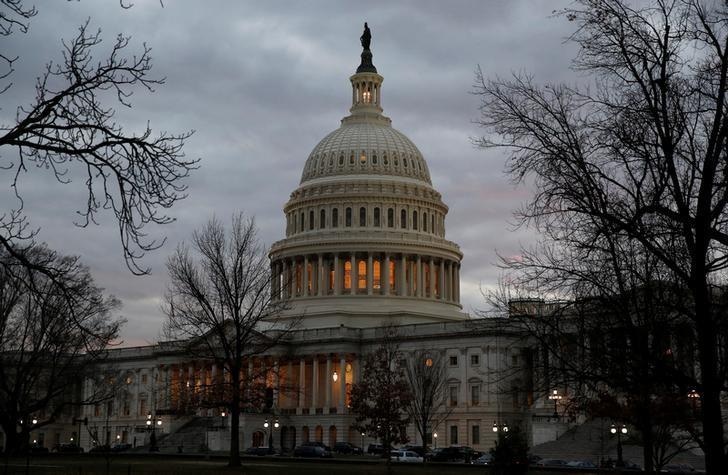
On Sunday, bipartisan lawmakers in the United States Congress released a long-awaited $900 billion coronavirus relief bill, which is expected to be signed into law by President Trump.
This relief package will be combined with an additional $1.4 trillion in federal funding and tax provisions to facilitate federal agencies through the end of September.
Democrats have argued that more relief legislation will be required once President-elect Biden takes office in January, which would include local provisions at the state level; as the United States Congress will have appropriated nearly $4 trillion in federal funding to respond to the coronavirus pandemic, which has claimed the lives of over 300,000 people across the country.
The key facets of this $900 billion relief package are as follows:
- Stimulus Checks: This bill includes a second-round of direct payments to Americans, with up to $600 for every adult and child. It can be observed that this is half the $1200 disbursements under the CARES Act in March.
- Unemployment Benefits: This bill will renew two expiring CARES Act programs for an additional 11 weeks, namely the Pandemic Unemployment Assistance which made benefits available to self-employed workers, and the Pandemic Emergency Unemployment Compensation which provided additional weeks of benefits. Furthermore, this bill will include an additional $300 to all weekly unemployment benefits and an additional $100 weekly for those who rely on multiple jobs.
- Support for Small Businesses: The Paycheck Protection Program, which provided distressed small businesses with forgivable loans to keep them afloat, was granted an additional $284 billion in funds.
- Housing Assistance: The bill extends the eviction moratorium that is set to expire at the end of the year through the end of January, including $25 billion for rental assistance to families facing eviction.
- Education: The bill includes several provisions pertaining to elementary, secondary and higher education; providing $82 billion worth of funds for schools and colleges to help them reopen classrooms and prevent virus transmission.
- Testing: The bill includes $20 billion for the purchase of vaccines, $8 billion for vaccine distribution, $20 billion for states to conduct testing and an additional $20 billion in federal relief for health-care providers.



















Comments
Comments are closed for this article.