


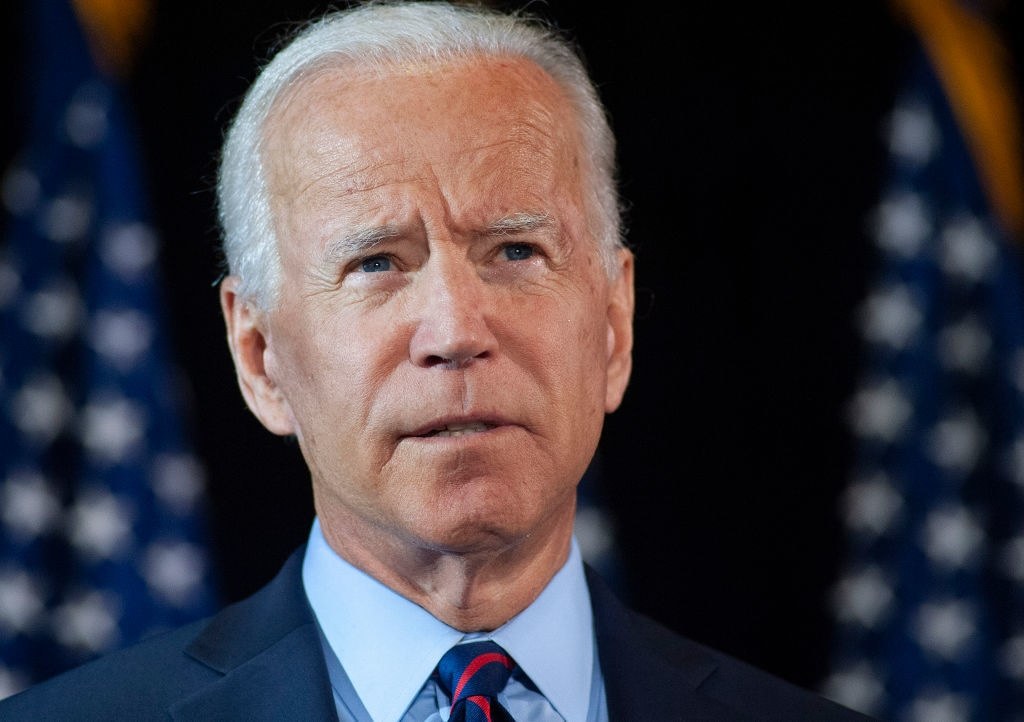

So it’s official now. The electoral college certified this Monday Joe Biden as the next President of the United States. It’s another matter that the political harmony in those united states lies in tatters. Outgoing President Trump and his allies have mounted all sorts of effort to overturn the results. But even in failure, they have succeeded in delegitimizing the outcome of the election for millions of Americans.
The US allies had heaved a proverbial sigh of relief upon the defeat of the norm-shattering Trump in elections last month – such was the yearning for normalcy in international affairs. The Biden cabinet nominees indeed signal a return of the conventional Washington wisdom. But the nominees are being deemed too standard for a world that looks way different than when Biden left office as VP in 2016.
Some US-based political observers have recently pointed out how Biden has surrounded himself with a cabinet made mostly of folks who he is familiar with or has worked with for many years, and in some cases, decades. These include his former political aides, close political allies, one-time protégés, and former Obama administration officials. There are both pros and cons for this kind of staffing.
The obvious benefit of this approach is that the new administration can work like a well-tuned machine, something that might sit well with those Americans who are exhausted after four years of chaos-fueled Trump presidency. A significant downside of a bonhomie-ridden atmosphere is that points-of-view may not be challenged and different alternatives may not be explored at depth by like-minded folks.
The predictability that Biden brings to foreign policy front is mostly due to the fact that most of his cabinet nominees are veterans from the Obama administration. This is manifest in nomination of Antony Blinken as his Secretary of State (to be confirmed by Senate) and Jake Sullivan as his National Security Adviser (NSA is a Presidential appointment). Both men were among key policymakers during Obama years.
This predictability is going to assist countries like Pakistan and Turkey, which have had an on-again, off-again characteristic to their bilateral relations with US in the past decade, in traversing 2021 and beyond. Blinken, for instance, was among the architects of US policy on Pakistan and Afghanistan during Obama era. He pushed for normalization of Indo-Pak ties when he was Deputy Secretary of State (2014-16).
While Indian media has cast his appointment as “bad news” for Pakistan, others point out his statement earlier this year expressing concern over the Kashmir situation. While there is little doubt about bipartisan consensus in the US over propping up India as a counterweight to China in South Asia and now the Indo-Pacific, the situation is far more complicated than Biden administration being pro or anti-Pakistan.
When it comes to Pakistan, the Biden administration may relieve pressure on some fronts and put pressure on new fronts. For instance, unlike the Trump administration, Biden’s men aren’t likely to pressure China allies like Pakistan to choose between China and US. That works for Pakistan, for CPEC needs new energy for its next phase. Similarly, undue pressure at forums like FATF may be eased in return for cooperation on regional issues, unlike Trump’s approach of all stick and no carrot.
However, Islamabad may come under new pressure on reported violations of human rights, religious freedom and media independence. This will test the spirit of cooperation that Pakistan hopes to develop with Biden. In addition, considering Biden would likely hesitate on complete withdrawal from Afghanistan right away, it would put pressure on Pakistan to help keep the situation from spiraling out of control in Kabul and other major population centers. In that context, the recent visit of PM Khan to Afghanistan was a smart move and the optimism it has generated will go some way.

















Comments
Comments are closed for this article.