


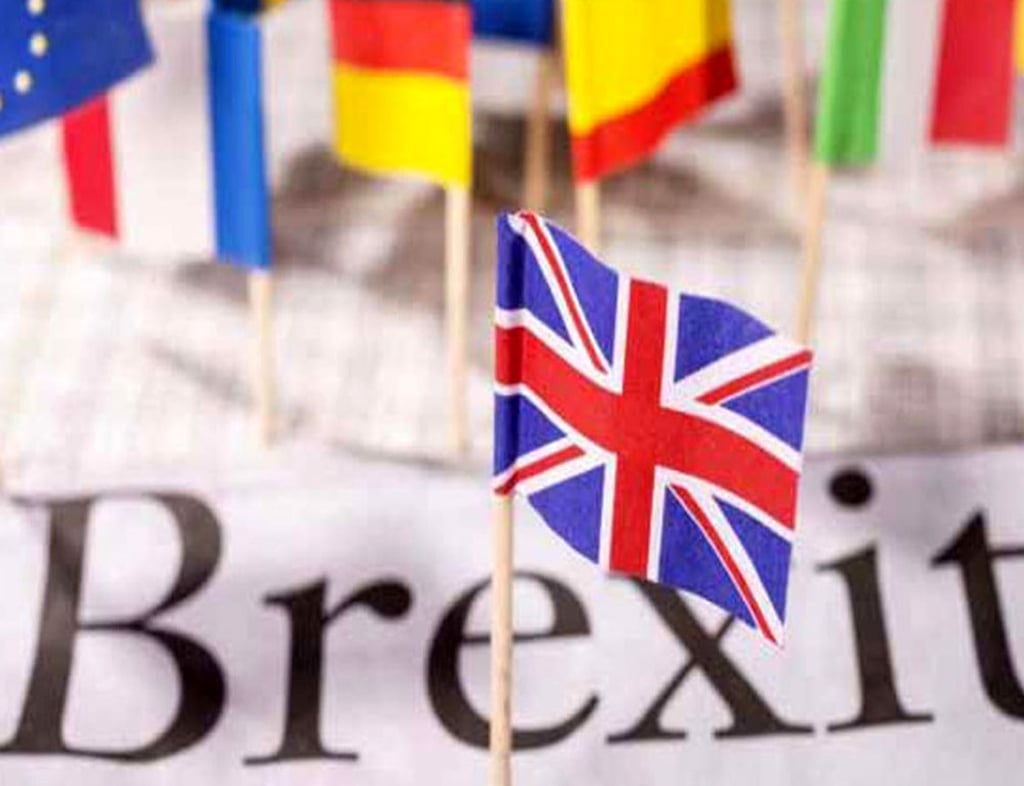

LONDON: A Brexit trade deal between Britain and the European Union looked to be hanging in the balance on Friday, after leaders on both sides of the Channel gave a gloomy assessment of progress in last-gasp talks. Prime Minister Boris Johnson and European Commission chief Ursula von der Leyen have given their negotiators until Sunday before a decision is made on whether to keep talking or give up.
The mood worsened after von der Leyen told EU leaders at a marathon Brussels summit there were "low expectations" and the "probability of a no-deal is higher than of a deal".
Ireland and Germany tried to raise spirits, agreeing that a pact was "difficult but still possible".
But Johnson said it was looking "very, very likely" that Britain would end up dealing with its biggest single trading partner on World Trade Organization (WTO) terms from the New Year.
"If there's a big offer, a big change in what they (the EU) are saying then I must say that I've yet to see it," he told reporters in Blyth, northeast England.
The comments did nothing to inspire confidence in the British pound, which extended its losses on currency markets, dropping more than one percent against the dollar.
"Traders are turning their back on the pound as the language being used now is more serious and a fears of a no-deal have increased considerably," CMC Markets analyst David Madden told AFP.
UK chief negotiator David Frost and his EU counterpart Michel Barnier are trying to carveout a deal by Sunday, with just three weeks left until the end of a transition period following Britain's departure from the bloc in January.
Whatever happens, Britain will leave the EU single market and customs union, leading to the re-introduction of border checks for the first time in decades.
That has already raised the prospect of heavy traffic clogging roads leading to seaports in southern and southeast England, as bureaucracy lengthens waiting times for imports and exports.
Logjams at the Felixstowe container port in eastern England and elsewhere have already raised fears of more to come, and delays to deliveries to shops, businesses and industry.
But Johnson's spokesman said they were mainly caused by a "global spike" in demand for consumer goods and the effect of the coronavirus outbreak on shipping patterns and container capacity. Brexit trade talks have been deadlocked over the extent of EU access to British fishing grounds and rules governing fair competition.










Comments
Comments are closed for this article.