


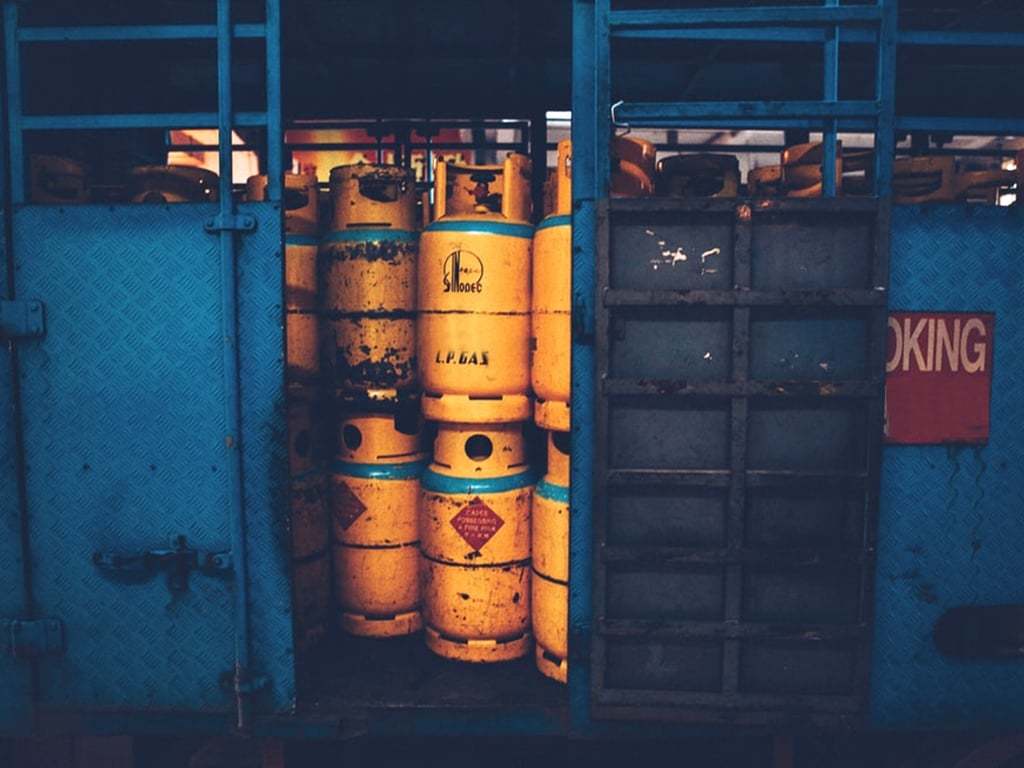

Some say that the gas demand supply gap is estimated around 2 billion cubic feet and it is growing as the domestic natural gas is on a decline. Hence, RLNG imports have to move up. For that, additional capacity is warranted. Some believe existing terminals should expand the handling (it can happen) and others are saying that new terminals should be installed (two are in the pipeline).
But before getting into this debate, there is first a need to correctly assess the true demand for gas. Then one needs to look at the port congestion and implication of handling, and evaluate the storage and pipeline capacity to handle volumes. And before getting there, there has to be an energy vision to plan for the future.
What is the vision for the use of gas? Should it be imported for domestic space and water heating? Should it be imported for supply to industry? Is the policy vision for using gas in transportation? There is surplus capacity coming into the power sector (in addition to existing surplus) and all the aforementioned consumption should move to electricity. The gas direct use should be confined to power, fertilizer and industrial use where electricity is not the viable option.
Two nuclear plants are coming online in the next 12-18 months. Coal power plants are coming as well. When all these capacities would be added, the burning question would be where to use it. With imported gas envisioned to supply industry, transportation and all, where will this electricity be consumed?
What the government did right lately is providing incremental electricity to industry at lower rates. Such a bold decision is warranted in the domestic sector for winters to shift the load from cheap gas to electricity and this way the gas shortage could become lower too.
The gas shortage at this point is being seen for the next winters and as for the next to next winter’s new coal and nuclear plants will be online to bridge in the industrial gap. The EV policy is coming soon and there will be some shift of transportation from gasoline to electricity. Do we need to plan for CNG use?
Then the existing gas demand profile is well defined at certain prices. The domestic consumer may not want to shift to RLNG due to pricing. And it would be inefficient to subsidize imported gas for highly inefficient use. The zero rated industry in Punjab is using gas at subsidized rates. It should be converted to electricity. If there are grid constraints, it is better to invest in these, rather than on gas infrastructure.
Some say, there are 2.5 million connections pending with Sui gas companies and the allowance is 400,000. The backlog is huge. But the backlog is at a certain price. Will the consumer be paying $2-3 using gas at $6-8 or more? Even at price higher than $6.5, manufacturing fertilizer is not feasible.
The existing RLNG terminals of 1200 mmcfd capacity is on take or pay. Supply of 800 mmcfd RLNG is on take or pay. That has to be used or else RLNG circular debt will start growing. The supply to three RLNG plants is at 600 mmcfd. But these (at least two) are in the privatization list and their gas supply agreements from existing terminals will be ended. With private sector terminals coming in (if that happens), these will be providing gas at cheaper price than existing, for a host of reasons. Will the burden shift to private sector? Will this not create RLNG circular debt?
There are too many ifs and buts in the equation. A holistic approach is required where both petroleum and power divisions need to sit down and make a comprehensive plan based on a certain energy vision and act accordingly.


















Comments
Comments are closed for this article.