


Indian central bank's loosening of rupee reins likely to aid more gains
- High retail inflation prompting RBI to hold off FX intervention.
- RBI likely to opt for supporting bonds over rupee in near-term.
- Rupee may trade in 72-74/dollar range over 3-6 months.
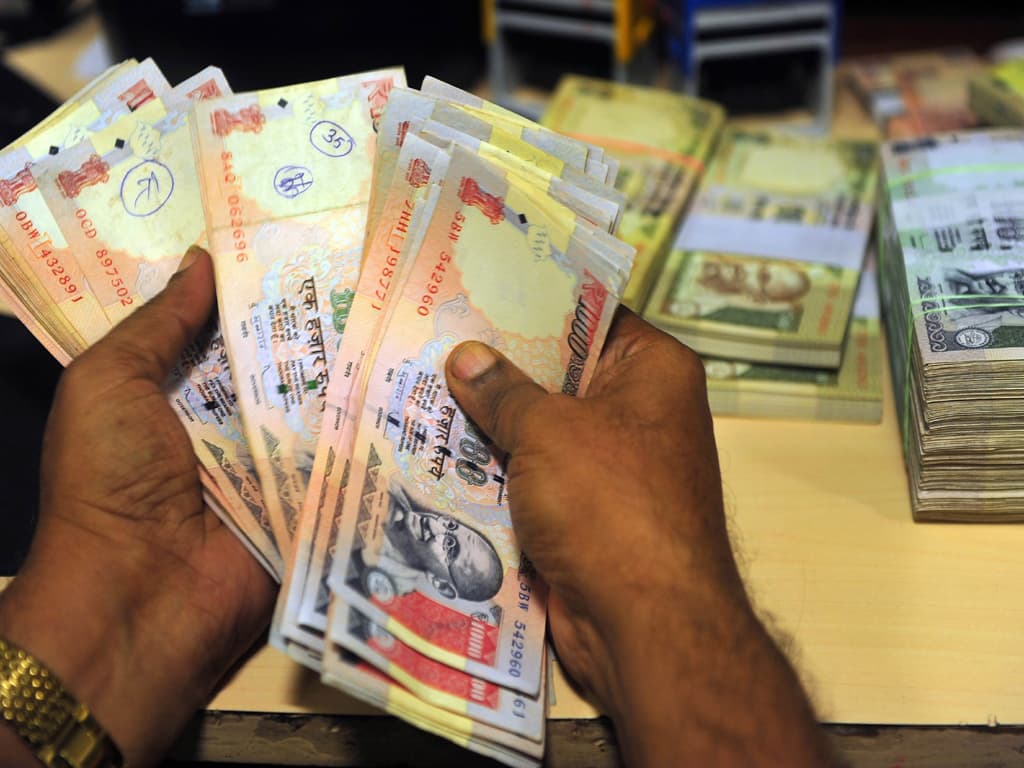

MUMBAI: India's central bank appears to have stopped trying to rein in the rupee to help exports, letting the currency drift to a six-month high and raising expectations it will gain further, analysts and market participants said.
Dollar-buying intervention by the Reserve Bank of India (RBI) in recent months has made the rupee one of the worst-performing Asian currencies in 2020, despite massive dollar inflows into stock markets and for corporate fundraising.
The RBI has kept the rupee weak to help exporters and made large interest rate cuts to support the economy as the coronavirus pandemic curbs activity, but inflation risks are now putting it in a bind.
The government's decision to sharply increase market borrowing while the economy and public finances are under strain is driving up bond yields, which move inversely to prices.
Dollar weakness, foreign direct investment and stock market inflows, meanwhile, have all added to the rupee's strength.
Traders and analysts say while the central bank can intervene to tamp down yields, it doesn't have much scope to restrain the rupee without fuelling inflation at a later point.
"I think it's highly tactical. For now, yes, the RBI is happy to allow some appreciation as it's running out of space to do unsterilised intervention," said A. Prasanna, chief economist at ICICI Securities Primary Dealership.
The RBI typically removes excess rupee supply in the banking system from its foreign exchange interventions by selling bonds.
In recent months, however, the RBI has been unable to sell bonds on the open market, and has instead bought them to combat rising yields.
It has been using a strategy inspired by the US Federal Reserve's 'Operation Twist' programme: buying long-end and selling short-end debt to manage market yields and supporting the government's record borrowing plans.
BONDS OVER RUPEE FOR NOW?
The RBI may become increasingly constrained when intervening in the rupee, particularly if there is a need to support bond markets through purchases, analysts at Nomura wrote in a note.
The recent rise in retail inflation, reflecting supply bottlenecks due to the lockdown, adds to the RBI's problems.
While announcing market stability measures on Monday, the RBI said the recent appreciation of the rupee should help contain imported inflationary pressures.
"I doubt the appreciation will have an impact on inflation but it's a nice cover for RBI to maintain a hands-free approach to forex," ICICI PD's Prasanna said.
Traders are happy with the shift in RBI's forex management strategy and said the rupee will catch up with regional peers and benefit from broad dollar weakness and inflows. They are, however, unsure if the RBI is likely to stay out completely.
Some believe the RBI may continue to intervene in the forwards market to indirectly influence spot levels, while others say it will continue to want to build forex reserves.
DBS Bank said it sees scope for the dollar to stabilise after the notable correction since March, and thus beyond the flows-driven gain in the rupee, a strong and persistent one-sided bias might not be on the cards.
"We believe the rupee will continue to appreciate. With intervention at the lower end we could see a 72-74 range on the rupee over the next 3-6 months," said Sameer Narang, chief economist at Bank of Baroda.


























Comments
Comments are closed for this article.