


Textile industry rejects ‘false propaganda’

 RECORDER REPORT
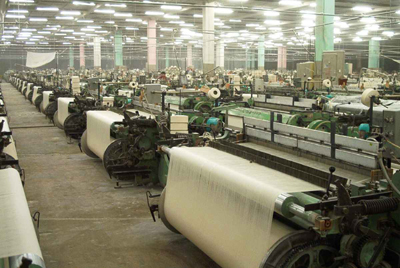
FAISALABAD: The textile industry and exporters have rebutted the false and baseless propaganda by some vested interests, in the garb of agricultural sector, that fertilizer industry has priority over textile industry.
Talking to newsmen here on Saturday, Arif Tauseef, chairman of Pakistan Textile Exporters Association, said that the sacrifice by the most important labour-intensive and forex earning industry of the country at the altar of low employment and cost-intensive industry was an unreasonable and unpatriotic demand. The advice of using diesel for textile industry was a misleading argument as the same foreign exchange should be spent on fertilizer import, he said.
Furthermore gas use in stentor machines of textile processing mills was not replaceable by any other means similar to its use in fertilizer manufacturing. The current economic situation demands that the government’s priority should be to save millions of jobs and ensure availability of gas to keep the wheels of industry running, he added.
The PTEA chairman said that gas was imperative to run the wheel of industry. But without its availability, no one could even think to run industry. Textile industry was working on thin margins and cannot afford to continue production on alternate fuel. The government had cut gas supply to the textile industry from three days initially, followed by four days a week at present. The industry has already suffered gas disruption of 153 days during the current calendar year and it is likely to reach 208 days in case the present trend continues, he added. The shortage of gas is not the only issue, he said, its improper distribution also remains a cause of worry. There is no gas management program and the government is yet to honour its promises, he added. He said that gas supply to the textile industry was a prerequisite for the smooth functioning. The government should divert all new-found gas to the network of Sui Northern Gas Pipelines, he stressed. He said that textilers were risking everything to keep the wheel of economy running and were compelled to use four times costlier alternative fuels. The government should subsidise the alternative fuels to enable Pakistan’s textile exports to compete properly in international market. Being major forex earner, textile industry should be given priority in gas supply, he demanded.
He said that the textile industry is backbone of the country’s economy and is the largest provider of employment, foreign exchange, and revenue. Textile sector is employing over 40 percent of the working population, generating 65 percent of the foreign exchange earnings, and contributing 8.5 percent to the nation’s GDP vis-a-vis fertilizer which did not earn single dollar rather spent huge forex on imports, he concluded.























Comments
Comments are closed for this article.