


Exxon's new boss will confront the end of empire

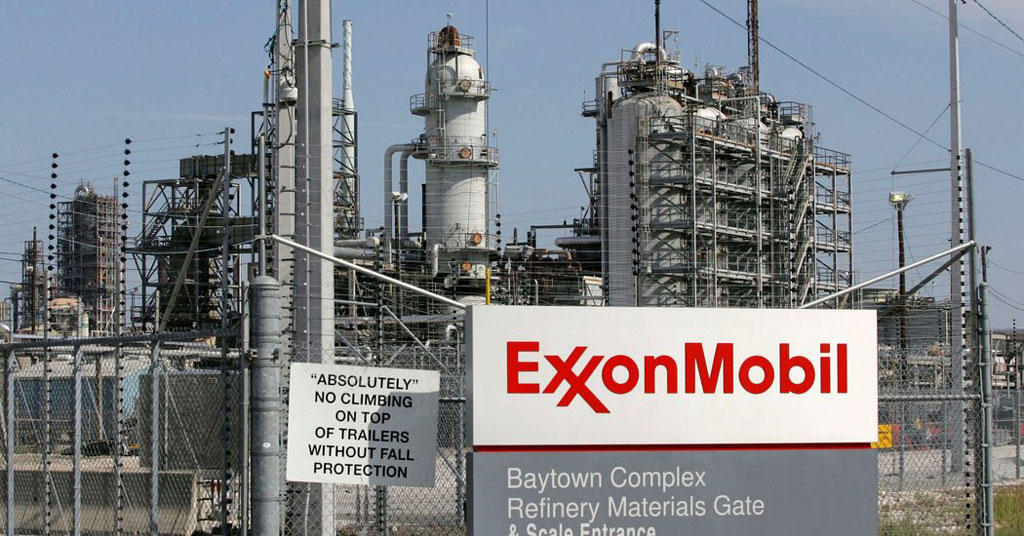 CHICAGO: Exxon Mobil's next chief executive will confront a weakened empire in 2017. With current boss Rex Tillerson selected as Donald Trump's secretary of state, likely successor Darren Woods will take charge of the $380 billion oil giant amid still-weak prices and falling reserves.
With Saudi Aramco hoping to take over as the world's biggest listed oil group and rival Shell coming up fast, Exxon's days as Big Oil's unparalleled heavyweight are numbered.
Known for its high-quality assets and investment discipline, Exxon was worth $350 billion when Tillerson became CEO in 2006, more than double its next-closest listed competitor, the $150 billion Shell.
That was before the shale oil boom redrew the global petroleum map. Exxon was late to the party, then overpaid when it finally jumped in with a $39 billion deal for XTO Energy in 2009.
Two years of low prices and natural declines in production from Exxon's more conventional fields have also taken a toll. The Texas giant's oil output was flat at 3.9 million barrels per day in the third quarter as crude held below $50 a barrel.
It has warned it might cut the crude reserves reported in its books by nearly 20 percent if the recent OPEC-inspired price rebound fizzles out.
The company's market cap of around $380 billion is not much changed from a decade ago, and could soon be dwarfed by state-owned Aramco, which analysts estimate could be worth up to $1 trillion if it goes ahead with an expected 2018 IPO.
Meanwhile, Shell - now valued at more than $200 billion thanks to its 2015 acquisition of BG Group - may produce more barrels than Exxon by 2019. Shell boss Ben van Beurden also wants to beat his larger rival in terms of total shareholder return.
The good news for Woods is that Exxon still dominates in one key respect: return on average capital employed (ROACE).
Its low-cost assets and famed efficiency allowed Exxon to generate a return of about 8 percent on the share capital and debt provided by its investors as prices slumped in 2015, well ahead of Shell's 2 percent. Over the past five years, Exxon's ROACE has bested Shell's by nearly 7 percentage points on average.
That's one imperial feature that will take time to erode.

















Comments
Comments are closed for this article.