



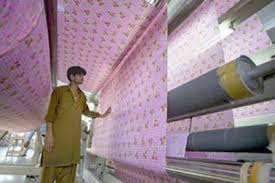
 ISLAMABAD: The incentive of Rs. 64.15 billion cash subsidy to textile and clothing sector under textile policy would boost exports to $ 26 billion by 2019.
The package announced under the policy (2015-19) carries special duty-drawback rates, duty exemption on plants and machinery, subsidy on long-term loans and also development subsidies.
Finance Division will provide Rs.40.6 billion over five years for duty drawback, technology up-gradation and brand development etc. while another Rs. 23.5 billion will be provided for skill development, dedicated textile exhibitions, establishment of world textile centre, weaving city, incubators, apparel house, and mega textile awards.
Official sources on Friday said around 120,000 persons will be trained through skill development programme and 50 small companies from the sector will be picked each year for next three years for government support. The proposed measures will promote value-addition and generate employment for more than 5 million people.
On the performance of textile industry, the sources said it is the most important manufacturing sector of Pakistan and has the longest production chain with inherent potential for value addition at each stage of processing, from cotton to ginning, spinning, fabric, dyeing and finishing, made -ups and garments.
They said the sector contributes nearly one-fourth of industrial value-added, provides employment to about 40 percent of industrial lab or force, and consumes about 40 percent of banking credit to manufacturing sector.
Barring seasonal and cyclical fluctuations, textiles products have maintained an average share of about 54 percent in national exports.
Moreover, the sources said textile sector in Pakistan has remained stagnant over last decade due to a number of exogenous and indigenous factors such as subsidies given to cotton farmers and other textile products by several countries which distorted prices, marketing constraints, global recession, and increasingly stringent buyers conditionality.
They said on the domestic side, cotton production has remained stagnant at about 13 million bales per annum and the resistance to grading and standardization of cotton bales by ginners and spinners alike has consistently lowered the value of Pakistani cotton by around 10 cents per pound in the international market.
On the other hand, the value-added garments sector has grown marginally due to its limited product range, low usage of manmade fibers and inability of manufacturing units to restructure in order to meet changing international requirements.

























Comments
Comments are closed for this article.