


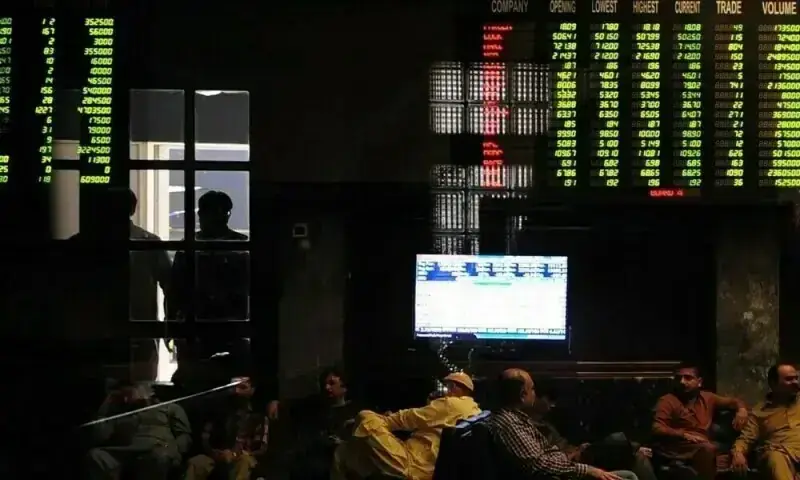

KARACHI: Pakistan’s capital market has officially transitioned to a T+1 settlement cycle, marking a major structural reform aimed at improving market efficiency, reducing risk, and aligning the country’s financial system with international best practices.
Effective February 9, all eligible trades executed at the Pakistan Stock Exchange (PSX) are now settled on a Trade plus one (T+1) basis, replacing the earlier T+2 settlement cycle.
The transition has been implemented under the guidance of the Securities and Exchange Commission of Pakistan (SECP) through close coordination among key market institutions, including the Pakistan Stock Exchange, National Clearing Company of Pakistan Limited (NCCPL), Central Depository Company (CDC), Pakistan Stock Brokers Association (PSBA), State Bank of Pakistan (SBP), Pakistan Banks Association (PBA), Mutual Fund Association of Pakistan (MUFAP), securities brokers, custodian clearing members, asset management companies, settling banks, E-Clear, and other non-broker clearing members.
With the adoption of the shorter settlement cycle, Pakistan joins a group of global markets such as the United States, Canada, Mexico, Argentina, Jamaica, and China, which have already implemented T+1 settlement. Markets in Europe, the United Kingdom, and Switzerland are expected to follow by 2027. Market officials said Pakistan’s early adoption places it ahead of several advanced economies and underscores its commitment to modernization and investor protection.
The move to T+1 is expected to deliver multiple benefits, including faster access to funds and securities, improved liquidity, and reduced settlement and counterparty risk due to shorter exposure periods. Quicker trade finalization is also expected to enhance operational efficiency and strengthen investor confidence, particularly among institutional and foreign investors, contributing to a more resilient capital market.
Commenting on the development, Dr Kabir Ahmed Sidhu, Chairman SECP, commended the Pakistan Stock Exchange, the Central Depository Company, and the National Clearing Company of Pakistan for the successful implementation of the new settlement framework.
He said the reform brings Pakistan’s capital market at par with modern jurisdictions by accelerating trade settlement, reducing counterparty and market risks, and enhancing liquidity. He added that the adoption of the T+1 cycle would further strengthen investor confidence and align Pakistan’s capital market with evolving international standards and global best practices.
Copyright Business Recorder, 2026























Comments
Comments are closed for this article.