


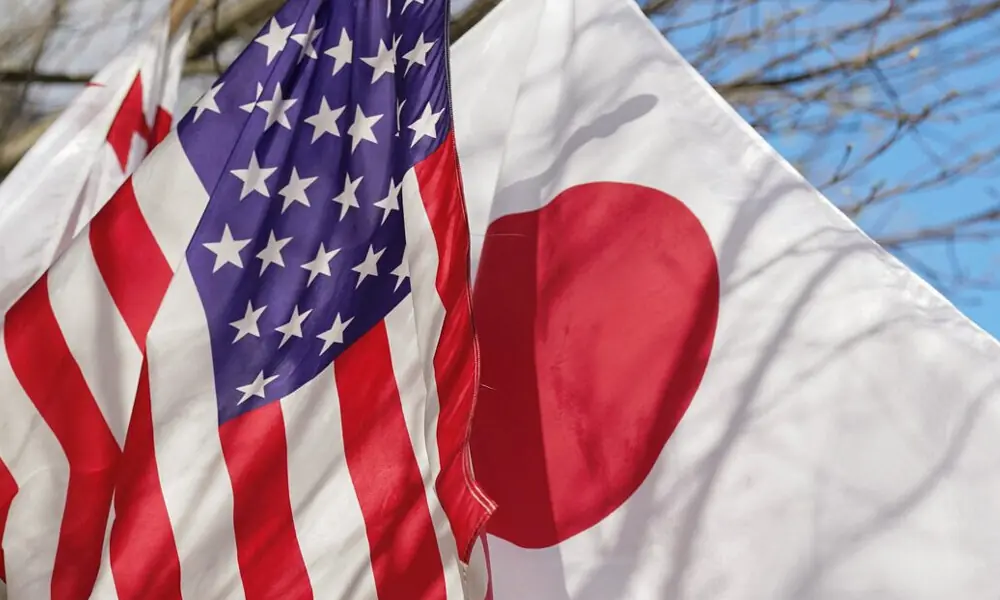

TOKYO: A Trump administration request that Japan buy more U.S. rice caused this week’s snag in bilateral trade talks as Tokyo “strongly objected” to the condition, the Nikkei newspaper reported on Saturday.
Japan’s top tariff negotiator abruptly cancelled a U.S. trip on Thursday over unspecified “points that need to be discussed at the administrative level”, the top government spokesperson said, as the two sides try to hammer out details of a July agreement on a reduced 15% tariff on U.S. imports from Japan.
The Nikkei, citing Japanese government officials it did not identify, said a revised order from President Donald Trump included a commitment for Japan to buy more American rice.
One official criticised the proposal as an “interference in domestic affairs,” the business daily said.
The office of negotiator Ryosei Akazawa, Japan’s minister for economic policy, and the agriculture and foreign ministries, as well as the U.S. embassy could not be reached for comment on the report outside business hours.
The Nikkei said the new demand contradicted an agreement that Japan would not need to lower its tariffs on agricultural imports.
In the July deal, the White House said Japan would boost U.S. rice purchases by 75%. Prime Minister Shigeru Ishiba said the share of U.S. rice imports might increase under an existing tariff-free framework but that the agreement did “not sacrifice” Japanese agriculture.
Akazawa’s trip was meant to finalise Japan’s agreement to a $550 billion package of U.S.-bound investment through government-backed loans and guarantees, the contents of which remain obscure.
Japanese officials have repeatedly said they want an amended presidential executive order - removing overlapping tariffs on Japanese goods - before releasing a joint document on the investment details.
Opposition leader Yuichiro Tamaki on Saturday questioned the government’s competence and transparency on the trade deal, posting on X that the confusion highlights the danger of operating without a formal text of the deal.
“Because there is no written agreement, we cannot confirm what the problem is,” said Tamaki, head of the Democratic Party for the People.
Citing “heightened uncertainty” for Japan’s auto industry and its workers, he urged Ishiba to swiftly convene parliament and provide a full explanation, saying any new agricultural concessions would require legislative approval.

























Comments
Comments are closed for this article.