


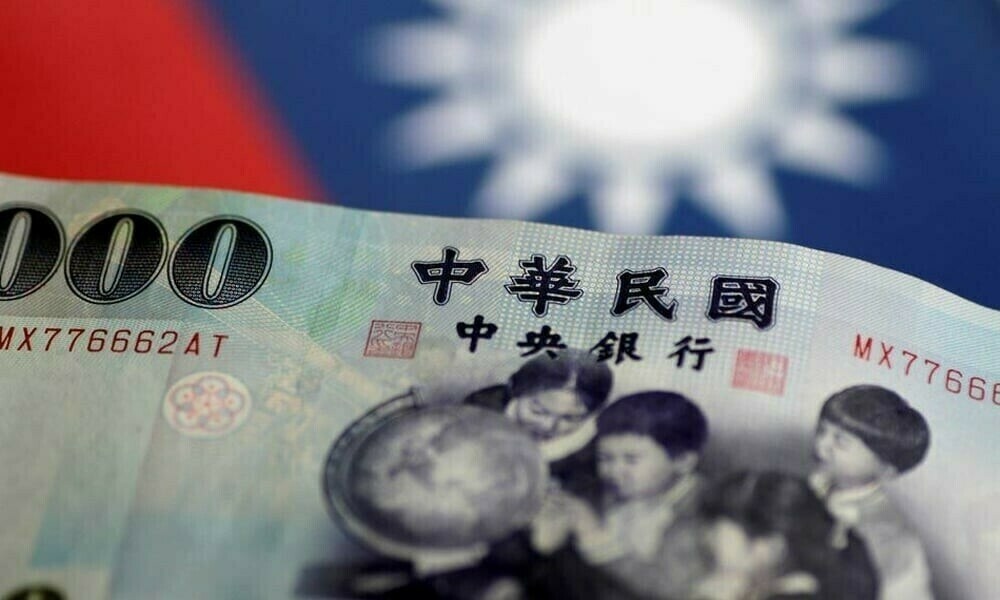

BENGALURU: Thailand’s currency was steady and its stocks extended gains after the central bank cut rates as expected on Wednesday, while the Taiwan dollar led monthly gains among Asian emerging currencies, relieved by a tariff pause in early April.
The Thai baht held on to the 0.3% gain after the Bank of Thailand (BOT) cut the benchmark rate by 25 basis points. This was its second consecutive rate cut, aimed at boosting the economy through persisting uncertainties over US tariffs.
The looming threat of 36% tariffs by the United States and a major earthquake last month have undermined business confidence in the Southeast Asian country.
The earthquake affected the country’s tourism outlook and it is expected to report fewer Chinese tourists this year, said Poon Panichpibool, a Bangkok-based markets strategist with Krung Thai Bank.
The BOT was expected to maintain its easing bias as worries about headwinds from global trade and its potential hit to the Thai economy persisted, said Tim Waterer, a market analyst at KCM Trade.
The rate cut gave the Thai stock market a fillip too, helping it rise as much as 1.2% after the policy announcement from 0.8% before.
Elsewhere, the Taiwan dollar and South Korean won were on track to gain the most in April among their regional peers, on account of both the nation’s trade-reliant economies getting a breather from Trump’s tariffs due to the pause.
“The Taiwan dollar appeared to have been supported by exporter flows,” said Frances Cheung, head of FX and rates strategy at OCBC Bank.
“There might also have been some spill-over from increased hedging activities in the forwards onto spot. Both increases in exporter flows and hedging are partly due to a soft dollar view.”
The Singapore dollar and the Malaysian ringgit gained 2.7% and 2.5%, respectively, in April while the Vietnamese dong and Indonesian rupiah slipped 1.6% and 0.3%, respectively.
Equities in emerging Asia were upbeat, led by the Philippines, where the benchmark index jumped 1.6% to its highest since January.
On Tuesday, Fitch Ratings reaffirmed its BBB investment-grade rating with a stable outlook, reflecting the country’s resilience amid ongoing global uncertainties. The peso was trading 0.4% higher on Wednesday.
Stocks in Indonesia were set for their best month since August 2024, while shares in Thailand were on track for a monthly gain for the first time in five months.

























Comments
Comments are closed for this article.