


Eurozone business growth turns positive: IHS Markit
- The firm's PMI output index turned positive -- hitting 54.8 points in July compares to 48.5 in June -- and showed the sharpest rate of growth in July for just over two years.
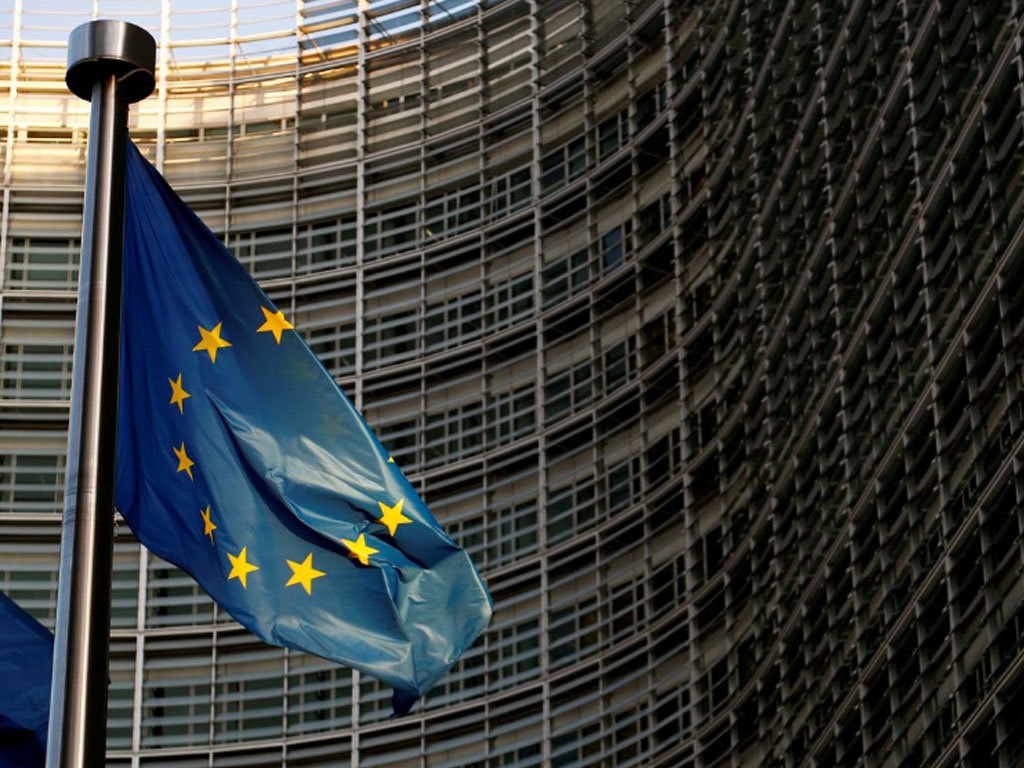

BRUSSELS: Business activity in the 19-nation eurozone is increasing for the first time since February, before the coronavirus lockdown, according to a survey of purchasing managers by IHS Markit.
The firm's PMI output index turned positive -- hitting 54.8 points in July compares to 48.5 in June -- and showed the sharpest rate of growth in July for just over two years.
The index fell to its lowest ever level in April, plunging to 13.6 points -- anything under 50 indicates a contraction. It improved to 31.9 in April and 48.5 in June.
"The data add to signs that the economy should see a strong rebound after the unprecedented collapse in the second quarter," said Chris Williamson, IHS Markit's chief business economist.
IHS Markit ascribed the turnaround to lockdowns across the continent easing -- allowing firms to get back to work and consumers to return to shops, easing the pace of job losses.
But Williamson warned that, despite an "initial V-shaped recovery", many businesses are merely completing backlogs of work and there may be more trouble ahead.
"The concern is that the recovery could falter after this initial revival," he said.
"Firms continue to reduce headcounts to a worrying degree, with many worried that underlying demand is insufficient to sustain the recent improvement in output."
Europe was hard hit by the coronavirus epidemic. Public health orders brought the outbreak under control, but there have been worrying upticks in cases in some regions since governments began to lift lockdown rules.
Tick-shaped recovery
In Germany, the eurozone's biggest economy, the composite PMI hit a 23-month high of 55 points, in its first month of growth since February.
While output and new orders increased, employment continued to fall. Business confidence hit a two-year high.
In France, the composite PMI index jumped to 57.6 points, its strongest gain in 2.5 years.
Markit noted that new work increased for the first time in five months, but employment fell. If domestic demand continued to build then businesses should have more confidence to start hiring more staff.
"Better-than-expected July PMI data across Europe fit with the growing picture coming from official measures of output and forward looking survey data that economic activity across the continent is rebounding sharply after crashing 20-25 percent during the COVID-19 mega recession between February and April," said Berenberg bank economist Kallum Pickering.
"The survey data suit our call for a tick-shaped recovery that involves a rapid, but partial, snap-back in economic activity as soon as economies re-open, he added.
That would be followed by a slower sustained recovery that exceeds the pre-COVID level of GDP, two-three years from now.




















Comments
Comments are closed for this article.