


Pakistan considering establishing carbon emission market

- The establishment of market would allow Pakistan expand their global trade in pollution credits and also help Chinese companies offset the emissions they produce.
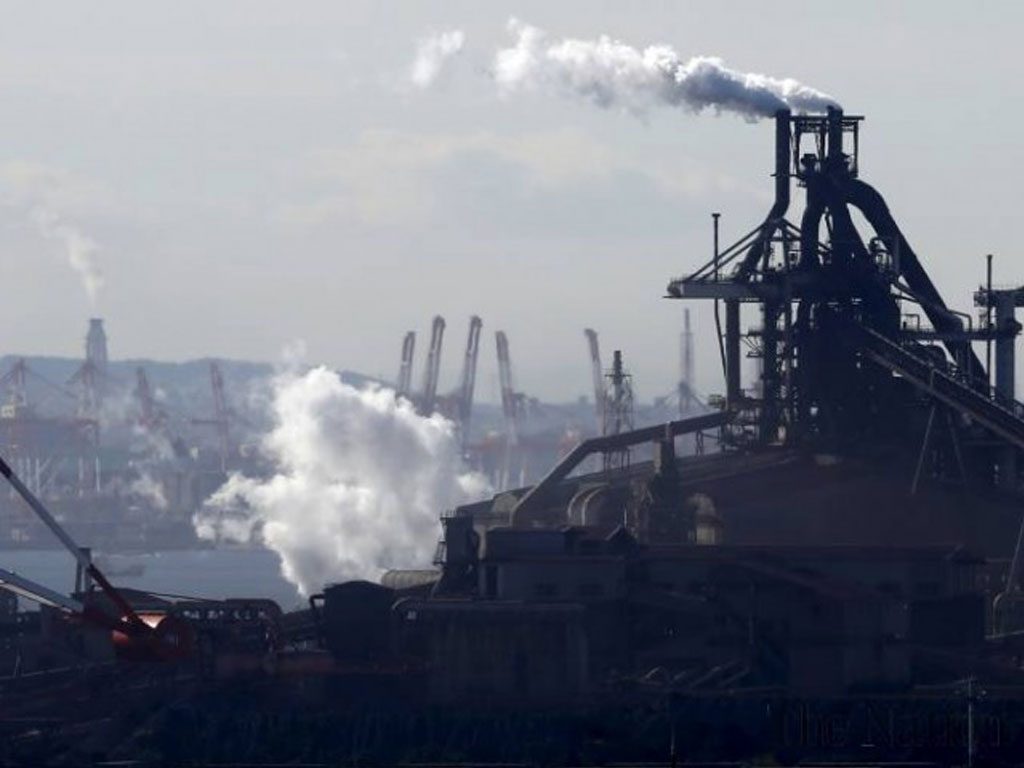
Pakistan is aiming to set up a carbon emission market and partner itself with China, the world’s biggest polluter.
“We are looking at a credit-based market initially, which means you can offset in Pakistan and you can sell to bilateral countries,” said Malik Amin Aslam, quoted Bloomberg.
The advisor informed the establishment of market would allow Pakistan expand their global trade in pollution credits and also help Chinese companies offset the emissions they produce.
“The benefit that we will get is that our environmental compliance will be met, and they will benefit by cheaper credits than their own market,” the official said. Pakistan has hired consultants to examine whether “that data reliability is there and how we can improve that,” he added.
The advisor informed that the process depends upon the reliability of data, “if there’s no reliability then it doesn’t work,” he said.
Earlier, Amin said that Pakistan was placed at 5th by German Watch in its Climate Risk Index 2020 due to huge economic losses borne by the country.
The shift in Pakistan's position from 7th to 5th in the long term index, based on the 20 years data from 1999 to 2018, including the 2010 super floods causing massive life and financial losses, showed that the country was most vulnerable to climate change, he told newsmen at a debriefing on the United Nations 25th Conference of Parties (COP-25) on Climate Change here at the Sustainable Development Institute.
The adviser said the economic cost ($3.2billion) of climate change for Pakistan was the second highest in the world. The German Watch report had included Pakistan, Philippines and Haiti in its lists of both long and short term climate change affected countries, he added.


























Comments
Comments are closed for this article.