


Oil gains as traders weigh Gulf tensions against strong Mideast exports
- Brent crude futures were up 27 cents, or 0.3%, at $100.59 a barrel
Oil prices saw slight gains due to Middle East security concerns, despite resilient regional crude exports and G7 emergency stockpile releases easing supply worries. Houthi attacks and shipping risks persist.
- Middle East security concerns driving oil price gains.
- Resilient regional crude exports and G7 stockpile release.
- Increased tanker attacks in the Strait of Hormuz.
- Houthi attacks on Saudi oil infrastructure.
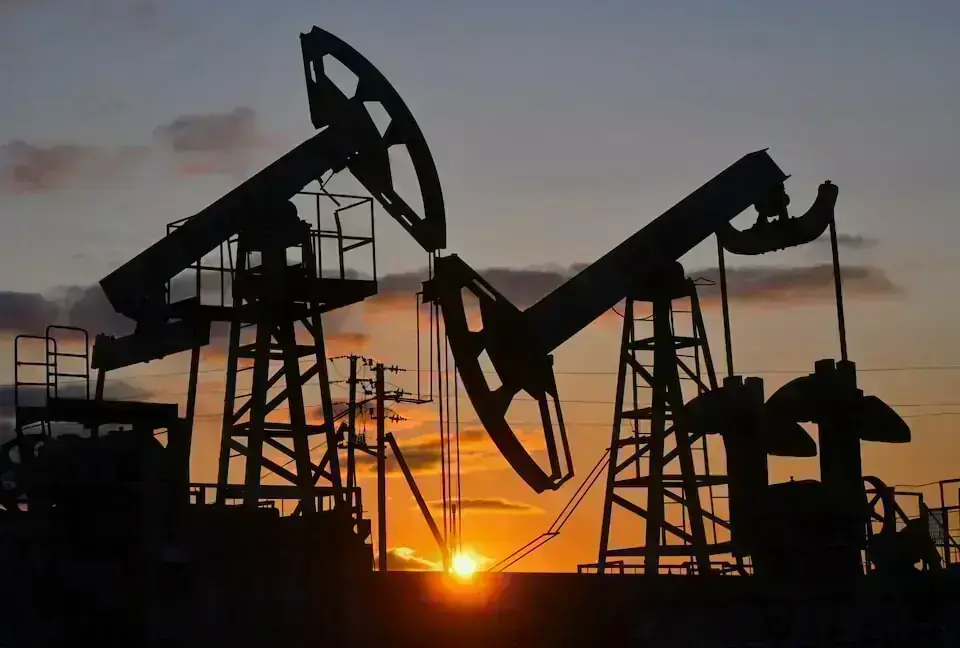

SINGAPORE: Oil prices made slight gains on Tuesday as security concerns in the Middle East kept a geopolitical risk premium in the market, even as resilient regional crude exports and a G7 emergency stockpile release eased supply concerns.
Brent crude futures were up 27 cents, or 0.3%, at $100.59 a barrel at around 0330 GMT, while US West Texas Intermediate crude futures rose 30 cents, or 0.3%, to $89.73 a barrel.
“Shipping data shows regional crude exports actually exceeded pre-war levels on several days in late September.
Yemen’s Houthis say they targeted Saudi airports, Aramco refinery; no Saudi confirmation
Alternative routes and logistical adjustments have somehow allowed producers to keep barrels moving despite the disruption around Hormuz,“ said Priyanka Sachdeva, head of market insights at Phillip Nova.
“However, calling this a full normalisation of supply doesn’t look justified quite yet… There have been renewed attacks on tankers around the Strait of Hormuz, and the number of incidents has increased in recent days.
This means that while barrels are still moving, the cost, insurance, routing, and security risks of moving them remain elevated.“
Gulf oil flows excluding Iran surged to over 81% of pre-war levels in September, data showed, led by a recovery in Saudi exports despite attacks on the kingdom’s oil infrastructure and escalating Iranian attacks on regional shipping, while Iranian exports fell to zero due to a US blockade.
Further easing supply concerns, G7 countries agreed on Friday to release 100 million barrels of diesel and crude from emergency reserves and pledged to refrain from energy export restrictions after pressure from US President Donald Trump.
However, the conflict between Saudi Arabia and Houthi forces in Yemen continued to fuel concerns over potential disruptions to supply from the region’s largest oil exporter amid a stalemate in US-Iran talks.
Saudi-backed Yemeni government forces staged a lightning advance on Monday to retake the coast around the Bab el-Mandeb Strait up to the city of Mocha.
Fire erupts near Riyadh airport as Houthis claim strikes
In response, the Houthis said they had attacked key locations in Saudi Arabia including an Aramco refinery in Rabigh.
The claims could not be immediately verified.
Additionally, other market factors like low oil inventories are keeping markets participants reluctant to believe lower prices can be sustained, said Vivek Dhar, analyst at Commonwealth Bank of Australia.
Middle East crude oil exports exceed pre-war levels but tanker attacks increase
Gulf to Asia shipping rates have also lifted to new record highs, underscoring the tightness in the shipping market, highlighting another aspect of the oil supply chain that has little tolerance for disruption, he added.






















Comments