


'Pakistan is good at launching women’s businesses. It’s bad at sustaining them'
- I would love to see the conversation move from ‘how many women started business?’ to ‘how many women were able to build businesses that actually worked for them?’, says author and entrepreneur Mahe Zehra Husain
Mahe Zehra Husain argues Pakistan's women's entrepreneurship efforts focus too much on launches and not enough on long-term business survival and profitability, urging a shift in measurement.
- The focus on business launches versus long-term sustainability.
- Critiques of current women's entrepreneurship metrics.
- Building an ecosystem for lasting business success.
- Redefining entrepreneurial success beyond initial milestones.
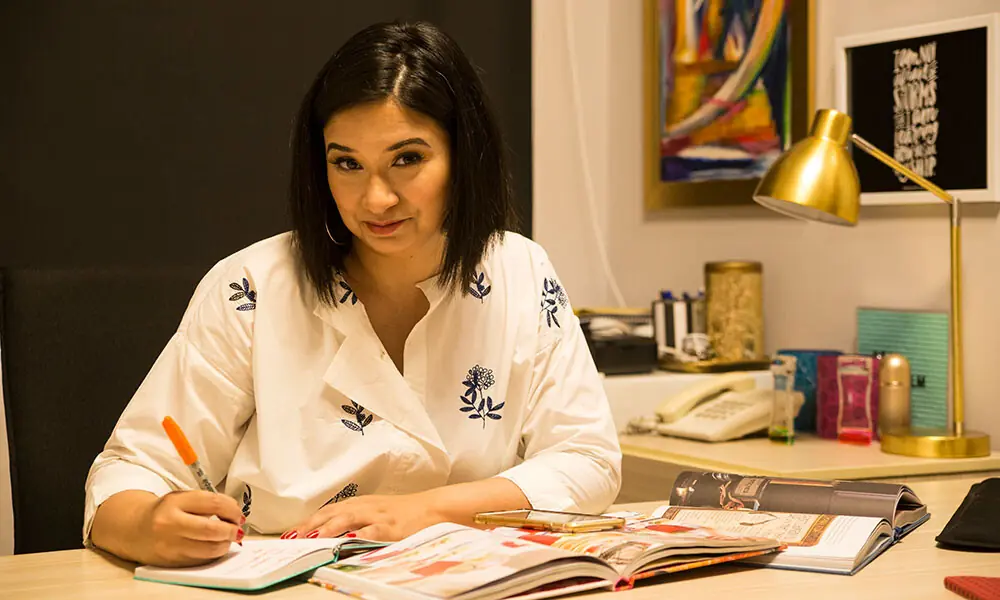
Pakistan has become very good at facilitating one specific moment in a woman’s entrepreneurial life: the start. Awards celebrate founding a business, loan schemes are measured by how many women receive disbursements, launch events feature photographers and press releases, and there is no shortage of panels that encourage women to take the leap.
What there is far less of is any real accounting for what happens after: for instance, whether the business survives its third year, whether it ever becomes profitable, whether the woman who launched it is still running it five years later, or whether the business quietly folded in on itself once the focus moved on to someone else’s launch.
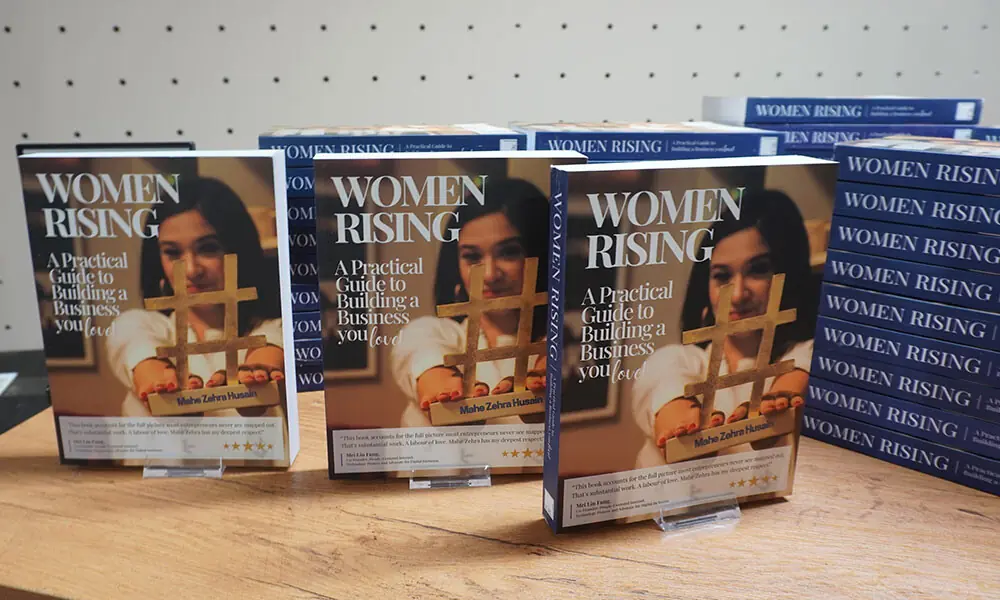
That gap is exactly what tech entrepreneur and author Mahe Zehra Husain highlights, in response to Business Recorder about her new book, ‘Women Rising: A Practical Guide to Building a Business You Love’. When asked what is missing from Pakistan’s conversation about women’s entrepreneurship, she doesn’t point to a lack of ambition or a shortage of encouragement. Instead, she points to what gets measured: “We need to stop treating starting as the finish line. I would love to see the conversation move from ‘how many women started business?’ to ‘how many women were able to build businesses that actually worked for them?’”
It’s a small reframing with large implications – because almost every visible institutional effort in this space, from the awards ceremonies to the government loan targets, is currently built to answer the first question, not the second.
The Kashf Women Entrepreneurship Award has eight main categories, from a Digital Innovator Award to a Sustainability Champion Award that turns out to reward climate resilience and green practices, not whether the business itself is still standing in five years. Not one of the eight asks whether an entrepreneur’s business survived, turned a profit, or is still running.
The government’s own numbers follow the same pattern. Beneficiaries of the Prime Minister’s Youth Business and Agriculture Loan Scheme surged from 71,000 to more than 271,000 over the past two years, according to Rana Mashhood Ahmed Khan, chairman of the Prime Minister’s Youth Programme – with women accounting for 11% of beneficiaries as of February, against a stated target of 25%.
By August, a parliamentary reply from Finance Minister Muhammad Aurangzeb updated that figure directly: more than 104,000 young women had received Rs. 29 billion in financing under the scheme. These are real numbers, and obviously they matter. But every one of them measures the same thing – how many women received financing, and how much – not what happened to their business afterwards.
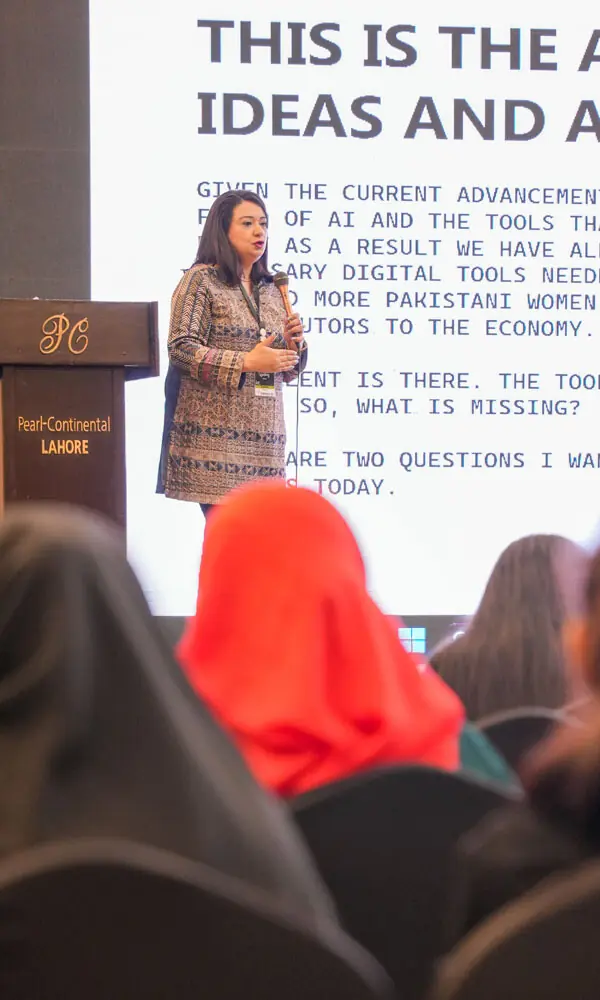
Husain’s critique extends further than measurement, though. When asked who gets left out of the entrepreneurship conversation entirely, she doesn’t point to a specific data gap. Instead, she chooses to highlight the constricted idea of who counts as an entrepreneur in the first place. “We talk a lot about founders who can take a risk, leave a job, work from a café, invest their savings, or spend six months figuring things out,” she says. “But there are women who are supporting entire families, caring for children or aged parents… their entrepreneurship may begin with what is available to them rather than what they dream of building.”
A woman building a small, stable business that gives her more control over time, she argues, is not somehow less entrepreneurial than one chasing venture capital and exponential growth – but a culture obsessed with launches and rapid growth has little room to recognise the first kind of success at all.
It would be easy to read Husain’s critique as a case for individual mindset shifts solving what are, in reality, structural problems – and she does in fact head that off herself. When asked directly where a workbook’s advice runs up against real barriers, she doesn’t oversell what the book can do. “I would never suggest that a workbook can solve structural inequality,” she says.
“Access to capital, legal infrastructure, mobility, childcare, technology, family expectations, and social networks can profoundly determine who gets to become an entrepreneur and who gets to sustain one.” What she argues Women Rising can do is narrower: help women “understand their business model, articulate what they are building, identify their resources and gaps” – working, as she puts it, “at the level where many entrepreneurs do have agency.”
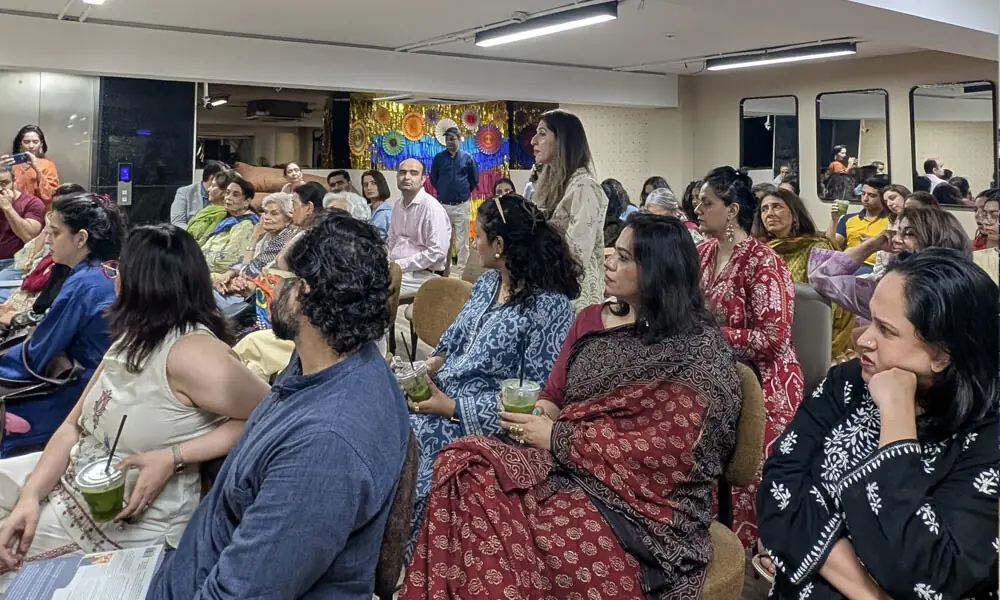
The distinction she draws matters, because it cuts against a temptation the entrepreneurship-encouragement industry rarely resists: turning systemic failure into personal failure. “Sometimes the answer isn’t ‘work harder’ or ‘align more deeply with your values,’” Husain says. “Sometimes the answer is access to financing, a lawyer, a mentor, a network, childcare, or a policy change.”
If Kashf’s award categories and the government’s loan-disbursement targets represent one kind of institutional response, expanding access, however unevenly, a book like Husain’s represents a more nuanced, individual-level intervention that was never designed to replace them. The question her framing leaves open is whether anyone is doing the harder work of tracking whether either intervention, alone or together, actually produces business that lasts.
So what would it actually take to answer the question Husain says Pakistan isn’t asking? Her own list is unglamorous by design. “Sustainability requires financial literacy, pricing properly, understanding customers, creating repeatable systems, managing cash flow, negotiating, hiring, delegating, and knowing when to change direction,” she says. None of that photographs well. There’s no ceremony for correctly pricing a product, no award category for a founder who quietly fixed her cash-flow problem in year three instead of scaling into a bigger one.
“It also requires an ecosystem that doesn’t disappear after the launch photographs and the first round of applause,” she adds – a line that undoubtedly lands a little differently given that this piece itself began with a launch, at a bookstore, with a press release and photographs of its own.
That’s not a reason to dismiss launches, or the awards, or the loan schemes – visibility and access still matter, and Husain is no way arguing otherwise. But her sharper point is about what happens to the story once the cameras leave: “a beautiful Instagram presence and a lot of visibility don’t necessarily mean you have a healthy business.” Pakistan’s entrepreneurship conversation, as it currently stands, has very little machinery for finding out which is which.
Husain’s own trajectory offers a quiet answer to that question, even if it isn’t packaged as one. I asked whether her definition of success had changed since she started, and in response, she doesn’t reach for a particular milestone.
“When I was younger, success was much more externally measurable – achievements, titles, recognition, the size of the company, the number of books, the next milestone,” she says. “Over time, I became much more interested in the quality of the life surrounding those achievements.” Women Rising, she’s careful to add, isn’t a formula she arrived at and is now handing down. “It is really the result of years of questioning, building, making mistakes, and changing my mind… I don’t want to hand women a formula for success. I want to give them the tools to define it for themselves.”
That’s a harder thing to measure than a disbursement figure or an award category, which may be exactly the point. Pakistan’s institutions have gotten efficient at counting how many women start – the loans disbursed, the businesses launched, the ceremonies held. What Husain is asking for is a second number nobody is currently tracking: how many of those businesses, five or ten years on, are still standing, still profitable, and still run by the women who believed in them enough to begin. Until someone starts counting that, the applause at the launch will keep outpacing the evidence of what came after.





















Comments