


Progressive for the rich
Pakistan's NEV tax incentives create unfairness, burdening middle-income car buyers while subsidizing luxury vehicles. The policy needs reform to promote equitable, affordable, and localized clean transport.
- Tax disparity between entry-level cars and luxury new energy vehicles.
- Impact on Pakistan's local automobile manufacturing.
- Broader tax unfairness for Pakistan's middle class.
- Redesigning NEV incentives for affordability and domestic production.
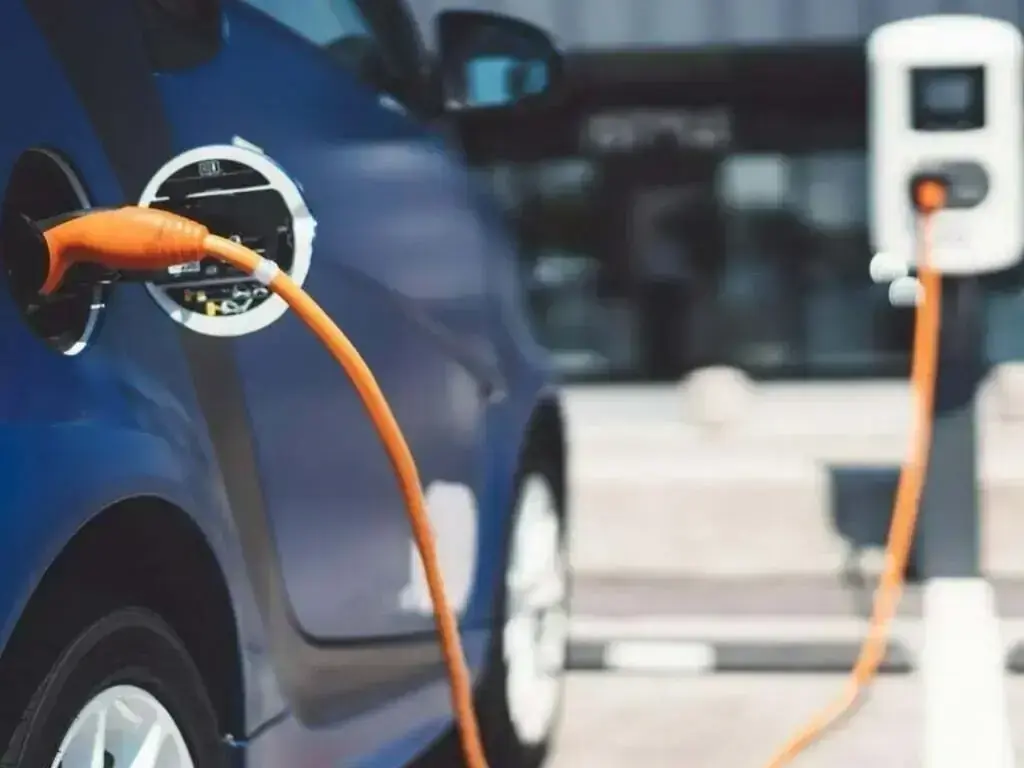
EDITORIAL: When a Rs3 million entry-level car ends up carrying a tax burden of roughly Rs550,000 while a new energy vehicle costing around Rs10 million attracts only about Rs100,000 in sales tax and is exempt from both the Federal Excise Duty and the New Energy Vehicle levy, the debate is no longer confined to environmental policy. It becomes a question of tax fairness. Incentives designed to encourage cleaner transport should certainly exist, but they should not produce a system in which those with the greatest purchasing power receive the greatest fiscal relief while middle-income households shoulder a disproportionately heavier burden.
Pakistan’s transition towards cleaner mobility is both necessary and inevitable. The country spends billions of dollars importing petroleum products, while worsening air pollution and growing energy challenges make electrification a sensible long-term objective. Governments across the world have used tax incentives to accelerate the adoption of electric vehicles, and Pakistan should not isolate itself from that global trend. The objective is therefore sound. The difficulty lies in the way the incentives have been structured.
Public policy should reward the broad adoption of cleaner technology rather than subsidising luxury consumption. If the overwhelming benefit of tax concessions accrues to buyers who can comfortably afford vehicles worth Rs10 million or more, the environmental objective risks becoming secondary to an inequitable fiscal outcome. Incentives linked to affordability, localisation and domestic value-addition would spread the benefits far more widely while also supporting the country’s manufacturing base.
That concern extends beyond consumers. Pakistan’s automobile industry has invested heavily over several decades in assembly plants, localisation and the development of a domestic vendor network that supports thousands of jobs. A taxation framework that unintentionally disadvantages locally assembled entry-level vehicles while making imported or premium alternatives comparatively more attractive inevitably raises legitimate questions about industrial policy. Environmental progress and industrial development should reinforce one another rather than pull in opposite directions.
The broader problem, however, reaches well beyond the automobile sector. Pakistan’s tax structure has long carried an uncomfortable bias against the documented, salaried middle class. Every budget brings fresh burdens for those whose incomes are already fully visible to the tax authorities, while vast segments of wealth continue to remain lightly taxed or outside the effective tax net altogether. Salaried employees have little opportunity to avoid deductions at source. By contrast, large sections of the informal economy, undertaxed assets and privileged sources of income continue to escape meaningful contribution. That imbalance steadily erodes public confidence in the tax system itself.
A fair tax system is measured not simply by how much revenue it collects but by how equitably it distributes the burden. Citizens are generally willing to contribute when they believe similar economic capacity attracts similar tax treatment. Confidence begins to weaken when those purchasing modest family vehicles pay proportionately more than buyers of luxury alternatives, or when the working middle class repeatedly finds itself financing a system that struggles to broaden its own tax base.
The government therefore has an opportunity to refine its policy before these distortions become entrenched. Environmental incentives should remain, but they should be redesigned to encourage affordable electric mobility, domestic manufacturing and higher localisation. Tax concessions could be linked to vehicle price bands, local value-addition or domestic production rather than being concentrated at the premium end of the market. Such an approach would better align environmental objectives with industrial development and social fairness.
Pakistan requires both fiscal reform and cleaner transport. Neither objective should come at the expense of tax equity. The country’s tax system already asks disproportionately more of those least able to negotiate exemptions or avoid documentation. Extending that imbalance into the automobile market would simply reinforce a broader perception that has become increasingly difficult to dispel: when it comes to taxation, the greatest concessions too often flow towards those who need them the least.
Copyright Business Recorder, 2026

























Comments