


Oil prices drop after claims of progress in US-Iran talks
- Brent crude futures fall $3.30, or 3.9%, to $80.47 a barrel by 11:19am ET
Oil prices dropped to a three-week low amid growing hopes for a diplomatic resolution to the Iran war, which could ease oil flows through the critical Strait of Hormuz.
- US and Qatari officials' statements on diplomatic progress.
- Impact of geopolitical risk premium on crude prices.
- Iran's demands for control over Strait of Hormuz shipping.
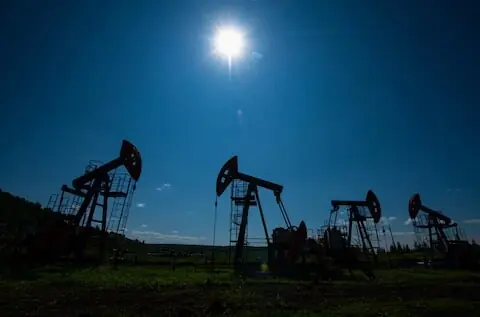

Oil prices fell on Tuesday to a three-week low after comments by Qatari and US officials raised hopes for a diplomatic resolution to the Iran war that could improve oil flows through the Strait of Hormuz.
Brent crude futures fell $3.30, or 3.9%, to $80.47 a barrel by 11:19am ET (1519 GMT), and US West Texas Intermediate futures dropped $3.67, or 4.6%, to $76.67 a barrel. Both contracts fell more than 5% to their lowest since July 13 earlier in the session.
US Secretary of State Marco Rubio said on Tuesday there was progress in talks with Iran and Oman about moving more ships through the strait, but a final agreement was yet to be reached. Treasury Secretary Scott Bessent had said earlier on Tuesday that a deal with Iran to reopen the strait could come as soon as Tuesday or Wednesday.
Qatar’s Foreign Ministry spokesperson Majed al-Ansari said efforts to secure a diplomatic resolution to the Iran war were continuing.
The prospect of a diplomatic solution to the Middle East conflict has helped remove some of the geopolitical risk premium in oil prices after the US resumed bombing Iran last month, said Simon-Peter Massabni, head of business development at brokerage XS.com.
“If negotiations between the United States and Iran make meaningful progress, the market could continue pricing in a lower probability of supply disruptions, further reducing the geopolitical risk premium embedded in crude prices,” Massabni said.
Gulf Shipping traffic little changed
Disruptions to shipping through the strait, through which a fifth of global oil and gas flowed before the war, have forced Middle Eastern nations to cut oil output sharply.
The world has lost more than 2.6 billion barrels of oil since the Iran war began in February, the head of Saudi oil company Aramco said.
The oil market will, therefore, remain highly sensitive to political developments, Massabni said.
Oil prices gained earlier in Tuesday’s session after a senior Iranian source told Reuters that Iran wants control over inbound shipping and visibility over outbound traffic through the strait, with the ability to intervene if necessary, as part of a plan being discussed with Oman to reopen the strategic waterway.
“Gulf exports remain under pressure, with Strait of Hormuz transits only marginally improving from extremely depressed levels. The export disruption story is intact, with Iranian attacks on vessels constraining flows,” ANZ analysts said.
Shipping traffic at the key Gulf waterways of Bab el-Mandeb and the Strait of Hormuz held largely unchanged at the start of the week.
Goldman Sachs expects Brent crude to trade in an $80-$90-a-barrel range until there is either confirmation of a new US-Iran agreement or a significant escalation in attacks and targets.
























Comments