


Jam reaffirms govt’s commitment to creating business-friendly environment
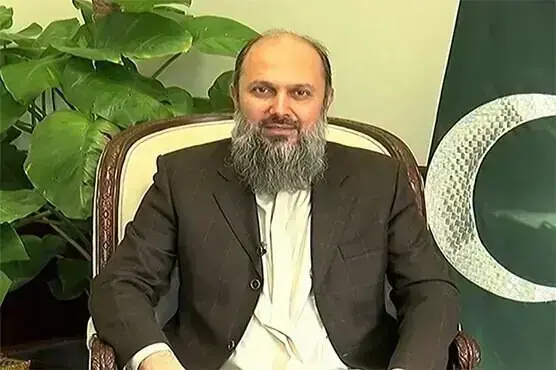

ISLAMABAD: Federal Minister for Commerce Jam Kamal Khan has reaffirmed the government’s commitment to creating a business-friendly environment by simplifying regulations, promoting industrial development, facilitating small and medium enterprises (SMEs), and expanding Pakistan’s manufacturing base.
The minister expressed these views during a meeting with a delegation of the Islamabad Chamber of Small Traders and Small Industries (ICSTSI), which called on him to discuss issues relating to SMEs, taxation, industrial infrastructure, ease of doing business and export promotion.
The delegation welcomed the recent revision in the State Bank of Pakistan’s SME definition, describing it as a positive step that would enable more businesses to qualify for financial support and formal sector incentives.
Jam Kamal Khan said the government was committed to reducing unnecessary regulatory hurdles and modernising business processes through digitalisation and institutional reforms. He stressed that outdated procedures and overlapping regulations should be gradually removed to improve the ease of doing business and encourage entrepreneurship.
The minister said efforts were underway to simplify business registration through a more integrated and facilitative approach so that entrepreneurs could complete regulatory requirements before commencing commercial operations. He noted that bringing more businesses into the formal economy required facilitation rather than additional compliance burdens.
The delegation highlighted that a large segment of Pakistan’s small business community remained self-financed and often avoided formal registration due to complicated procedures, repeated audits and compliance costs. The minister observed that expanding the tax base by encouraging voluntary documentation, instead of placing greater pressure on existing taxpayers, remained an important policy objective.
Participants also called for the establishment of dedicated small industrial zones, particularly in Islamabad, equipped with essential infrastructure such as electricity, gas, water and road access. They said many small manufacturers currently operated from residential areas and informal workshops due to the high cost of setting up formal industrial units.
Jam Kamal Khan agreed that organised industrial estates for SMEs would improve productivity, product quality, environmental compliance and employment opportunities while supporting the growth of local manufacturing.
The meeting also discussed Pakistan’s expanding food industry and the increasing role of e-commerce, digital platforms and delivery services in creating new business opportunities. The minister noted that the food and hospitality sectors had emerged as important contributors to employment and economic activity and possessed significant growth potential.
The delegation urged the government to establish a modern slaughterhouse in Islamabad, noting that an 8-hectare site had already been identified and planning work completed, but the project remained delayed due to administrative and environmental issues. They said a modern slaughterhouse would improve hygiene, food safety, traceability, environmental management and the quality of halal meat exports.
The minister acknowledged the importance of strengthening Pakistan’s livestock value chain and observed that proper utilisation of animal by-products, including hides, bones, fats and blood, could generate significant additional economic value while reducing environmental waste.
The Chamber also highlighted the need to develop a 100-acre industrial project through a public-private partnership involving the federal government, the Punjab government and the private sector.
Jam Kamal Khan welcomed the proposal and encouraged the business community to present commercially viable and investment-ready projects. He said public-private partnerships, technological advancement and industrial diversification would play a vital role in strengthening Pakistan’s manufacturing sector, increasing exports and generating sustainable employment.
The minister reaffirmed that the Ministry of Commerce would continue engaging with the business community to identify practical solutions, promote investment, strengthen SMEs and create a more competitive and export-oriented economy.
Copyright Business Recorder, 2026






















Comments