


From oil shock to hunger crisis
The UN warns a global hunger crisis is materializing due to the Middle East conflict, with soaring energy prices and trade disruptions pushing food out of reach for millions, especially in vulnerable nations.
- UN's warning about the escalating global hunger crisis.
- Middle East conflict's impact on global energy and food prices.
- Pakistan's economic vulnerability to rising global energy costs.
- Humanitarian consequences of war extending beyond battlefields.
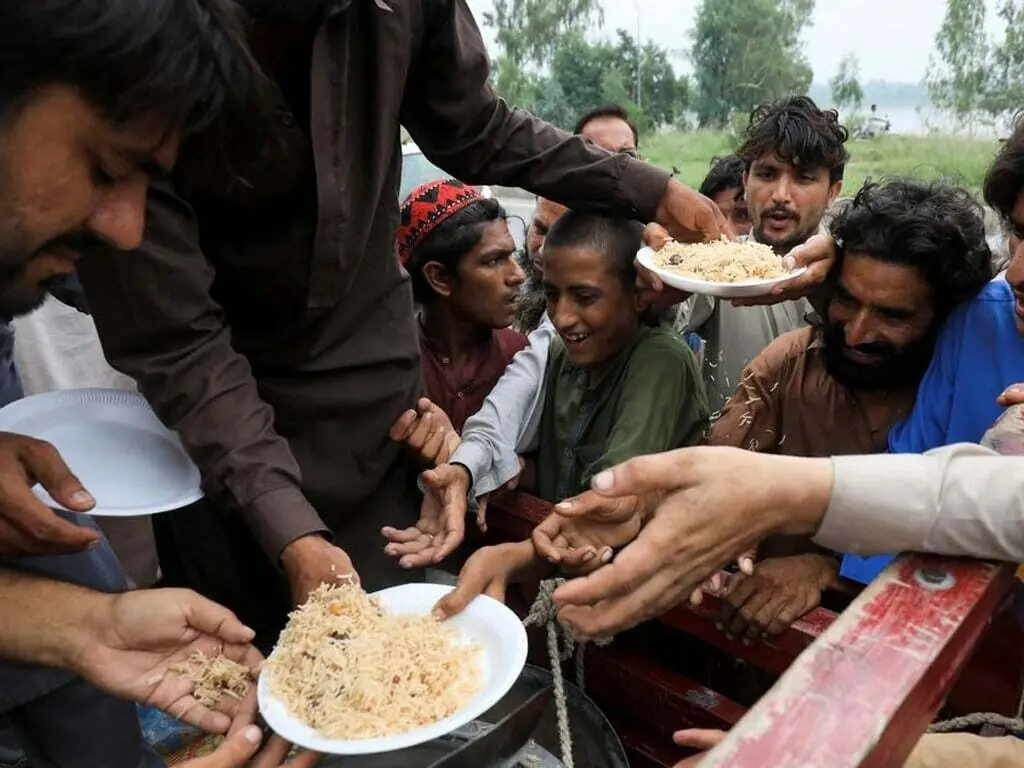
EDITORIAL: The United Nations is now warning that a global hunger crisis feared at the outset of the Middle East conflict is beginning to materialise, as soaring energy prices and trade disruptions push food beyond the reach of millions.
According to the World Food Programme, earlier projections that prolonged instability could push tens of millions more people into acute hunger are increasingly being borne out by events on the ground. For countries already struggling with poverty, food insecurity and fragile economies, the consequences are becoming impossible to ignore.
The warning should command global attention because it illustrates how the costs of war rarely remain confined to the battlefield. Nearly three months after the conflict erupted, the effects are being felt across international supply chains, energy markets and food systems. The closure of the Strait of Hormuz and the resulting disruption to global oil flows have increased transport and production costs worldwide, feeding directly into higher prices for essential commodities such as wheat and rice.
The World Food Programme’s assessment is particularly alarming because it points to a familiar pattern. Higher energy prices translate into higher food prices, which in turn place the greatest burden on low-income households and vulnerable countries. What begins as a geopolitical confrontation quickly becomes a humanitarian crisis for people far removed from the original conflict.
Although a Memorandum of Understanding between Iran and the US I has been agreed upon and would be formally signed soon but a binding agreement for all hostilities to cease and supply lines through the Gulf to assume normality would take quite a while so the UN’s warning remains relevant and daunting.
The numbers involved are staggering. The WFP had warned earlier this year that if oil prices remained elevated, as many as 45 million additional people could face acute hunger. Its latest assessment suggests that this negative scenario is now taking shape. Countries already struggling with food insecurity are seeing their vulnerabilities deepen as rising costs erode purchasing power and strain household budgets.
For Pakistan, the implications are particularly serious. The country has only recently emerged from a painful period of exceptionally high inflation that eroded incomes, weakened consumer demand and imposed severe hardship on ordinary households. Policymakers have spent considerable effort trying to restore macroeconomic stability and bring inflation under control. A renewed surge in global food and energy prices threatens to reverse some of those gains.
This is precisely why developments in the Middle East cannot be viewed as distant events with limited domestic relevance. Pakistan remains heavily dependent on imported energy, making the economy especially sensitive to disruptions in global oil markets. Higher fuel costs eventually feed through to transport, agriculture, manufacturing and food prices, affecting nearly every sector of economic activity.
The tragedy is that much of this damage was foreseeable. International institutions warned from the outset that a prolonged conflict would create significant spillover effects for the global economy. Yet opportunities for de-escalation repeatedly gave way to renewed tensions, military escalation and diplomatic deadlock. The result is a conflict whose costs are now being borne by countries and populations with no direct role in its origins.
The humanitarian consequences are perhaps the most disturbing aspect of the crisis. Hunger is not an abstract economic indicator. It represents households forced to reduce meals, children facing malnutrition and communities becoming increasingly vulnerable to instability and poverty. The burden falls disproportionately on those least able to absorb additional hardship.
The lesson should be obvious. Wars in strategically important regions do not remain regional for long. They reshape energy markets, disrupt trade routes and alter economic conditions far beyond their immediate geography. In an interconnected global economy, the effects travel quickly and often reach the most vulnerable first.
The latest warning from the United Nations therefore deserves to be treated as more than another forecast. It is an indication that the wider costs of the conflict are already emerging. Every additional month of instability raises the risk of further economic and humanitarian damage.
Diplomatic efforts should be focused relentlessly on ending the conflict and restoring stability to global energy markets. The world has already paid a heavy price. Allowing a preventable hunger crisis to deepen would add yet another unnecessary tragedy to a war whose consequences continue expanding far beyond the region where it began.
Copyright Business Recorder, 2026

























Comments