


Tens of millions risk hunger as Hormuz standoff blocks fertiliser: UN

PARIS: Tens of millions of people could face hunger and starvation if fertilisers are not soon allowed through the Strait of Hormuz, the head of a UN task force aimed at averting a looming humanitarian crisis told AFP on Monday.
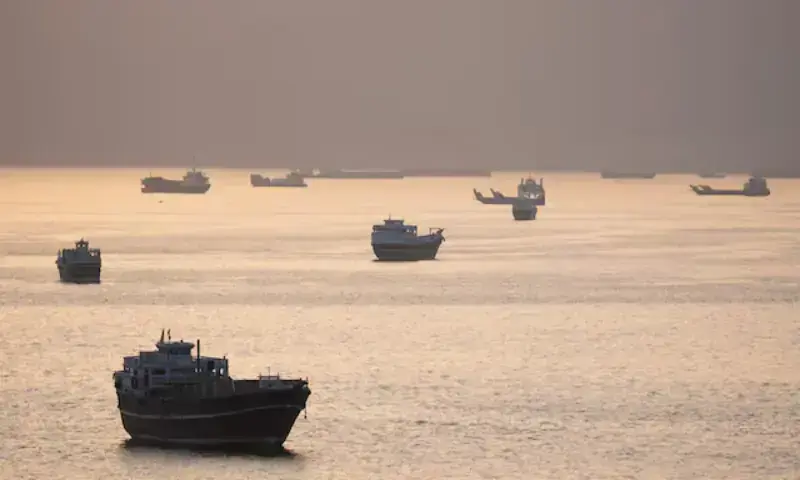
Iran has had the strategic waterway — through which a third of the world’s fertilisers normally pass — in a chokehold for months in retaliation for the war launched by the United States and Israel on February 28, disrupting a trade critical for farmers around the world in a race against the end of planting seasons.
“We have a few weeks ahead of us to prevent what will likely be a massive humanitarian crisis,” Jorge Moreira da Silva, executive director of the United Nations Office for Project Services (UNOPS) and leader of the task force, told AFP in an interview in Paris.
READ MORE: Iran pulling Hormuz ‘lever’ to maximum in US standoff
“We may witness a crisis that will force 45 million more people into hunger and starvation.”
The UN secretary general created the task force in March to spearhead a mechanism to allow fertilisers and related raw materials such as ammonia, sulphur and urea through the strait.
For weeks, Moreira da Silva has been working to convince the belligerent parties to allow even a few ships through, and has met with “more than 100 countries” to rally UN member state support around the mechanism.
A growing number of countries are showing support for the plan, he said, but the United States and Iran, as well as Gulf countries — who are key fertiliser producers, are not yet fully on board.
While the ultimate hope is for a “lasting peace” deal in the region and “freedom of navigation for all commodities” through the strait, “the problem is the planting season can’t wait”, Moreira da Silva said, with some ending in African nations within weeks.
Global focus has been on the economic impacts of the throttled oil and gas trade, but the United Nations has been sounding the alarm of the threat the blockade poses to the world’s food security, with countries in Africa and Asia likely to be particularly hard hit. Moreira da Silva said the United Nations could have the mechanism up and running in seven days but even if the strait were to reopen now, it would take three to four months to return to normality.
“It’s just a matter of time. If we don’t stop the origin of the crisis soon, we will have to deal with the consequences through humanitarian aid.”


























Comments