


Iran war raises stakes for US and China ahead of Trump–Xi talks
- Key issues at stake for Washington, Beijing as US-Israeli war with Iran reshapes calculations in their broader relationship
Iran war is straining US-China ties, dominating upcoming Trump-Xi summit as both nations navigate ceasefire talks, energy security, and US sanctions on Iranian oil and weapons.
- Iran ceasefire talks and China's diplomatic stance.
- China's energy security challenges from the conflict.
- US sanctions on Chinese firms over Iranian oil.
- China's retaliation against US sanctions.
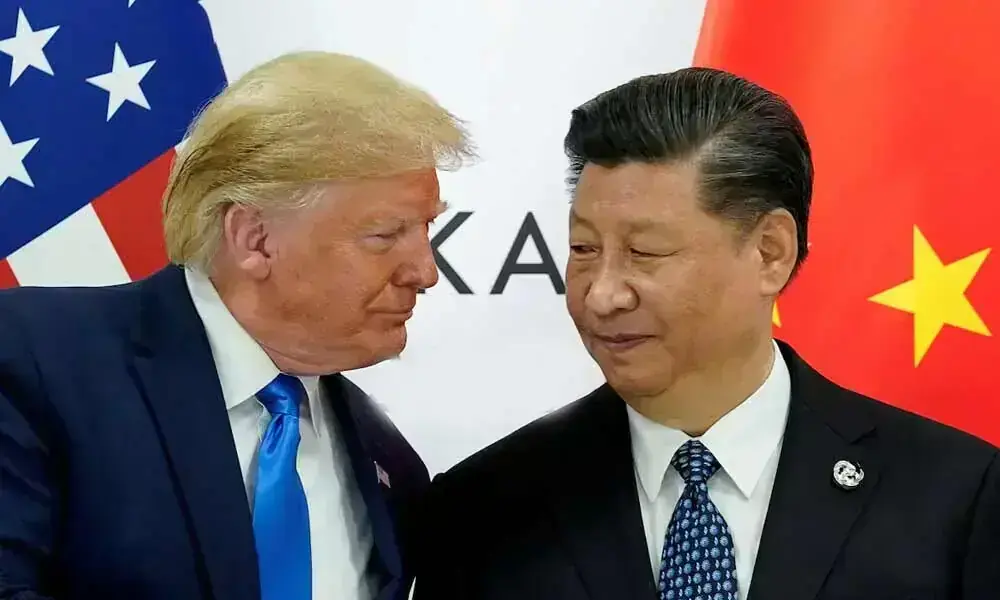

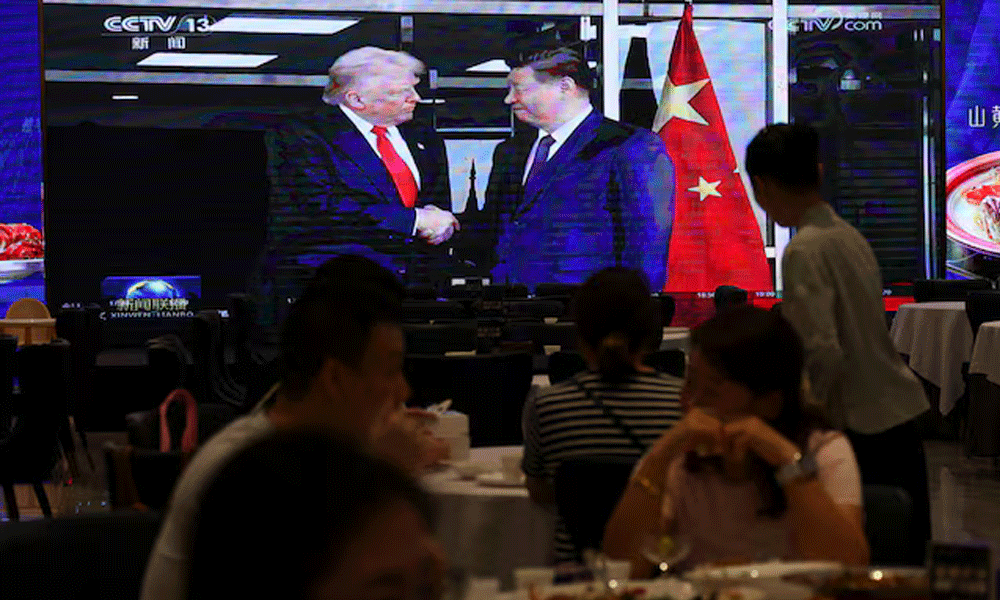
BEIJING: The Iran war has strained U.S.–Chinese ties further and looks set to dominate the May 14 to 15 summit between U.S. President Donald Trump and his Chinese counterpart and host Xi Jinping in Beijing.
Below are the key issues at stake for Washington and Beijing as the U.S.-Israeli war with Iran reshapes calculations in their broader relationship:
Iran ceasefire talks
U.S. Treasury Secretary Scott Bessent has said that the two presidents will discuss the Iran war, and urged China to “join us in this international operation” to open the Strait of Hormuz to international shipping.
But while Beijing worked behind the scenes to convince Iran to hold peace talks with the U.S. in Pakistan last month, analysts say it would not act solely at Washington’s behest.
Also read: Oil rises $3 after Trump rejects Iran’s response to US peace proposal
After last week’s visit to Beijing by Iran’s foreign minister, China called for a “complete cessation of hostilities”.
On the nuclear issue, it said that “China appreciates Iran’s commitment not to develop nuclear weapons, while also recognizing Iran’s legitimate right to the peaceful use of nuclear energy.”
The U.S. believes Iran wants to build a nuclear bomb and wants Iran to give up its right to enrichment for 20 years and hand over its stockpile of highly enriched uranium.
Energy security
China’s energy security faces increasing risks as the war drags on, forcing Beijing to cut its lucrative exports of refined products such as gasoline or jet fuel to protect its domestic market.
Around half of China’s crude oil imports are shipped from the Middle East, where the closure of the Strait of Hormuz and U.S. blockade have left ships stranded inside the Gulf and vulnerable to attacks.
The conflict slashed China’s total crude oil imports in April by 20% from a year ago to the lowest level in almost four years, according to Chinese customs data.
China’s foreign ministry has said the U.S. blockade of the strait does not serve the common interest of the international community. It also confirmed last week that an oil products tanker with Chinese crew was attacked in the strait.
US sanctions over Iranian oil, weapon sales
China is the biggest buyer of Iranian oil despite pressure from the Trump administration.
More than 80% of Iran’s shipped oil has been destined for China, as Chinese independent refiners take advantage of discounted U.S.-sanctioned oil. Kpler estimates that China bought an average of 1.38 million barrels per day of Iranian oil in 2025.
In April, the U.S. Treasury imposed sanctions on Chinese independent refinery Hengli Petrochemical for buying billions of dollars’ worth of Iranian oil, making good on its threats of sanctioning buyers. The Treasury has also written to two Chinese banks warning of secondary sanctions if they facilitated trade of Iranian oil.
Beijing has pushed back. The Ministry of Commerce ordered companies not to comply with U.S. sanctions against five refiners, for the first time invoking a law that allows Beijing to retaliate against entities enforcing sanctions it deems unlawful.
Just days before Trump’s visit, the U.S. Treasury imposed sanctions on two companies in China and two in Hong Kong it accused of supplying and facilitating efforts for Iran to purchase weapons from China and materials used in ballistic missiles.


























Comments