


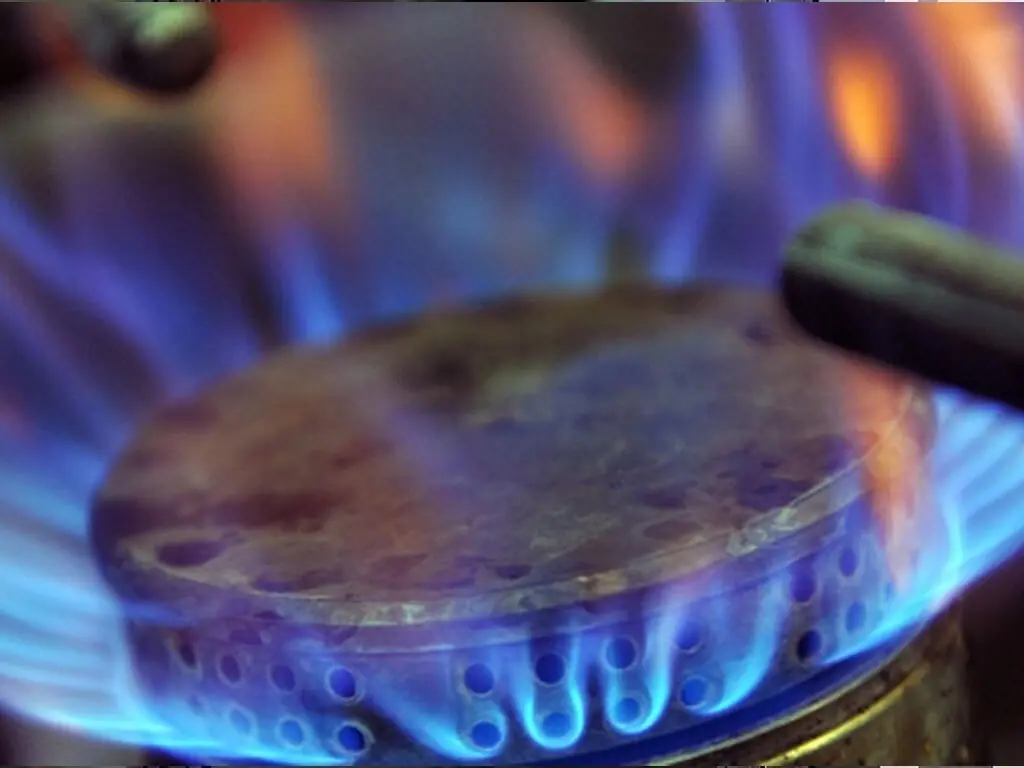
KARACHI: Chairman Businessmen Group (BMG) Zubair Motiwala and President Karachi Chamber of Commerce & Industry (KCCI) Muhammad Rehan Hanif have strongly opposed the Sui Southern Gas Company’s (SSGC) petition submitted to the Oil & Gas Regulatory Authority (OGRA) for a substantial increase in gas tariffs for FY 2026–27, urging the regulator to reject the proposal in the larger interest of the economy and industrial sustainability.
Commenting on the magnitude of the proposed increase, the KCCI leadership expressed grave concern that the effective hike reaches an alarming 286 percent when accumulated shortfalls of over Rs. 545 billion are incorporated, pushing the prescribed gas price to approximately Rs. 6,855 per MMBTU and inflating the total revenue requirement to around Rs. 1.28 trillion.
They termed this demand entirely uncalled for and unjustified, noting that even on a standalone basis, SSGC has sought a steep 121 percent increase in prescribed prices to about Rs. 3,935 per MMBTU, which is disproportionately higher than the 21 percent increase requested by SNGPL.
They emphasised that the petition effectively converts gas tariffs into a mechanism for recovering historical financial inefficiencies rather than reflecting the actual cost of service.
Gas throughput has declined by 9.4 percent, yet operating expenses have surged by more than 108 percent, indicating serious lapses in cost control and operational efficiency. Embedding a cumulative revenue shortfall of nearly Rs. 956 billion into current tariffs places an unfair burden on existing consumers, particularly the industrial sector, which is already under stress.
KCCI leadership also strongly objected to the inclusion of Rs. 312 billion as interest on Gas Development Surcharge (GDS) receivables, stating that this represents a financial dispute between SSGC and the federal government and should not be transferred to consumers who have already paid the surcharge.
They further rejected the inclusion of Rs. 16.35 billion as Balochistan revenue shortfall adjustment and Rs. 2.3 billion for LPG air mix projects, asserting that these are policy-related costs that must be borne by the government through the national budget rather than imposed on industrial consumers.
Zubair Motiwala and Rehan Hanif stated that both SSGC and SNGPL must first transparently identify and address the root causes of their financial deficits rather than relying on steep tariff increases.
The core issue is the sharp decline in industrial gas consumption which has dropped by nearly 50 percent due to unviable pricing.
At the same time, high Unaccounted-for-Gas (UFG), including theft, leakages, and inefficiencies, particularly in the domestic segment, continues to persist at elevated levels, while domestic consumption remains largely unchanged due to heavy subsidies. This has created a distorted structure where inefficiencies are passed on to the paying industrial sector, further accelerating demand destruction.
They further criticised the existing cross-subsidy framework, under which industrial consumers are compelled to bear the cost of subsidising domestic gas users. With domestic tariffs often set far below cost-recovery levels, the subsidy gap, frequently exceeding 85 to 90 percent, is recovered from industry, placing an undue financial burden on the productive sector.
They stressed that such subsidies should be transparently funded through the federal budget rather than embedded within tariff structures that distort market dynamics.
They noted that the impact of excessively high gas tariffs is evident from the drastic reduction in captive power plants from around 200 to fewer than 80, along with thousands of small and medium enterprises, especially those using gas for heating, operating at minimal capacity or facing closure due to unaffordable tariffs.
If rising prices are being used to offset operational and financial inefficiencies, it reflects a flawed approach that will only intensify industrial contraction, they said, adding that the current trajectory is clearly leading toward deindustrialisation, as industries either scale down or shut operations entirely.
Chairman BMG and President KCCI mentioned that this situation is further reflected in Pakistan’s external sector, where exports have declined while imports have increased, indicating weakening performance of both export-oriented and import-substitution industries.
High energy costs have made domestic production uncompetitive, forcing greater reliance on imports and widening the trade imbalance. Import substitution industries, in particular, cannot function under such elevated energy tariffs.
In view of these realities, Zubair Motiwala and Rehan Hanif appealed the Prime Minister to intervene and ensure withdrawal of SSGC’s petition, while directing the company to submit a revised proposal focused on rationalising and reducing gas tariffs to support industrial sustainability.
At a time when industry is already under severe stress, allowing such unprecedented and economically disruptive tariff proposals raises a fundamental question about policy direction— whether it supports industrial revival or accelerates its decline.
They reiterated that increasing tariffs in an environment of declining demand and struggling industry is not a viable solution, and emphasiSed that sustainable economic growth depends on rational energy pricing and improved governance within the gas sector.
Copyright Business Recorder, 2026










Comments