


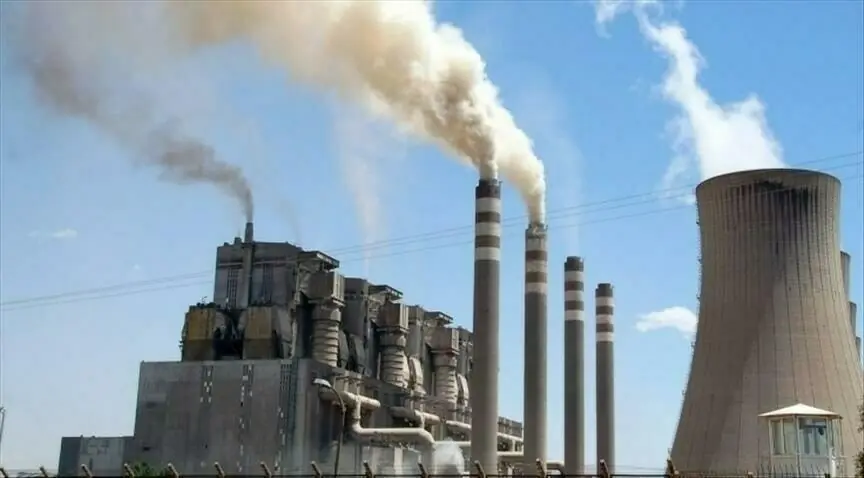
EDITORIAL: The one grave reality that has reared its head like never before is Pakistan’s acute vulnerability in fuel supplies in the aftermath of the US-Israel war on Iran. The conflict has completely exposed how deeply the country depends on fossil fuel imports from its Gulf partners, whose energy infrastructure now finds itself in the crosshairs of Iran’s retaliatory strategy. Supply disruptions, price volatility and geopolitical risk have suddenly become immediate economic hazards rather than distant contingencies.
Globally, the momentum towards using renewable energy for power generation, transport, and other commercial and industrial uses has been driven by the imperatives of the climate crisis. For Pakistan, the urgency for such a move is greater still. It is no longer solely about emissions reduction, important as that remains. It is equally about strengthening economic resilience and insulating the country from external shocks and geopolitical disruptions.
Pakistan’s energy mix remains heavily dominated by petroleum products and LNG, underpinning both electricity generation and the transport sector. Long-term contractual obligations with independent power producers (IPPs) and LNG suppliers have for years locked the country into costly commitments, with most operating on a take-or-pay basis, i.e., payments to suppliers are contractually due irrespective of actual consumption. The result is a structural rigidity that has fuelled the circular debt crisis, penalised efficiency and entrenched institutional disincentives to transition towards non-fossil fuel-based energy sources.
Recent efforts to renegotiate some of the more onerous power purchase agreements with non-CPEC IPPs are a step in the right direction, but fall short of delivering meaningful, systemic relief. LNG contracts, particularly those indexed to international market prices, offer further scope for revision. Without a comprehensive renegotiation strategy, these obligations will continue to act as a chokehold on reform. They have, in effect, morphed into a systemic bottleneck that helps explain the power bureaucracy’s resistance to expanding solar and other renewable options within the power sector. The need of the hour, then, is decisive engagement with all stakeholders, including CPEC-linked IPPs and our LNG suppliers in Qatar to reach a settlement that creates fiscal and operational space for a necessary transition. Remaining on the current trajectory is unsustainable, especially since fossil fuel imports account for a substantial share of Pakistan’s import bill, exert pressure on the balance of payments and drain foreign exchange reserves, with each external shock exacerbating internal fragility.
Equally critical is transforming the transport sector, which accounts for the bulk of petroleum consumption. Electrification of public transport, especially buses and railways, must become a national priority. Freight movement must also gradually shift from road to rail, reducing reliance on diesel-powered trucks and tankers. While electrifying rail networks is a capital intensive endeavour, it offers long-term efficiency gains and insulation from oil price shocks. This transition will obviously take time, but delay will only raise the cost of inaction.
Solar, wind and nuclear energy must also assume a far more central role in the national energy mix. Solar has already proven its viability in small-scale, decentralised installations, such as rooftop. Its expansion, however, remains constrained by legacy contracts and grid limitations. Reduced or uneven output during monsoon periods is also often cited as a limitation, but this is becoming increasingly manageable as global battery storage costs continue to fall. Wind and nuclear energy, though capital-intensive and with long gestation periods, offer stability and scale, and mustn’t be ignored. What is needed is a coherent, long-term energy roadmap that integrates these sources, aligns incentives and removes structural disincentives embedded in existing arrangements. The lesson from recent geopolitical upheavals, then, is clear: energy security cannot rest on imported fossil fuels, and the transition to renewables and electrification has now become essential for building economic resilience and a sustainable future.
Copyright Business Recorder, 2026


















Comments