


Indian banks hold back on NDF contracts for clients despite RBI loosening curbs, sources say
- They are not treating the partial removal of curbs as a return to business as usual, as the RBI remains watchful of currency market activity
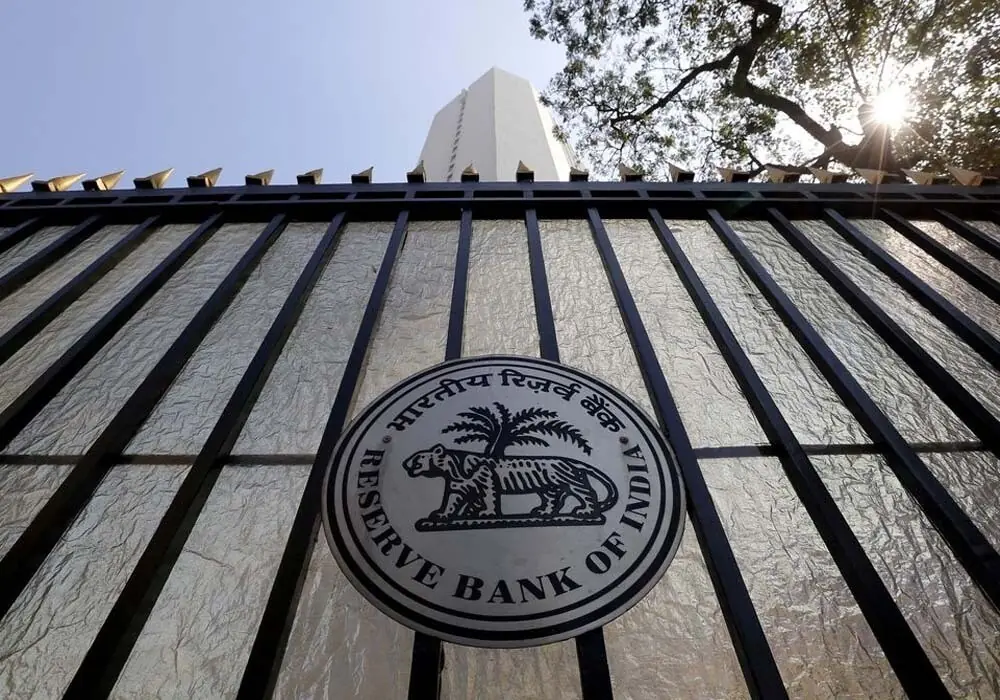

MUMBAI: Indian banks are still holding back from offering Indian rupee non-deliverable forwards to clients, despite the central bank lifting restrictions imposed three weeks ago when the rupee slid to an all-time low, four sources said.
The Reserve Bank of India on (RBI) Monday withdrew restrictions imposed on April 1 that barred banks from offering non-deliverable forwards to clients. It also removed curbs on corporates rebooking cancelled foreign exchange contracts.
Despite the central bank’s relaxations, three treasury officials said their banks weren’t yet allowing clients to undertake NDF trades, while one said his bank is permitting such trades with heightened caution. The officials said they are not treating the partial removal of curbs as a return to business as usual, as the central bank remains watchful of currency market activity.
“At this stage, the compliance and supervisory risks are just too high,” one of the treasury officials said.
India’s HDFC Bank beats profit estimates on strong loan growth
All four sources requested anonymity as they are not authorised to speak to the media.
The intent behind the relaxation appears to be to facilitate companies with genuine hedging needs, one of the three sources said.
The central bank had imposed restrictions on NDF trades after corporates began exploiting arbitrage opportunities between onshore and offshore markets that emerged following its capping ofbanks’ net open positions at $100 million.
That cap was introduced to curb arbitrage trades by banks which were piling pressure on the rupee. Corporates engaging in the same kind of trades diluted the impact of the RBI’s initial measures, prompting a deeper clampdown.
The RBI later began scrutinizing how large banks unwound their rupee arbitrage positions, particularly in cases where corporates and related parties were involved.
At an FX conference earlier this month, RBI Deputy Governor T. Rabi Sankar said the central bank was unhappy with banks transferring rupee arbitrage trades to corporate clients despite knowing that such activity is not permitted for companies, the sources said.
Those remarks have made market participants extra cautious, the second source said.
The third source said while companies may now theoretically be able to enter arbitrage trades again after the NDF relaxation, the RBI’s scrutiny is likely to deter such trades.
He added that the spread between onshore and offshore rates has also compressed, diminishing the incentive to pursue such trades.
For the one-month tenor, the dollar/rupee NDF rate is trading 7–8 paisa above the onshore market. At the height of market turmoil when RBI imposed limits on banks, this spread was nearly one rupee.
The treasury official at the bank allowing limited NDF trades said simultaneous buying and selling of dollars for the same maturity offshore and onshore would raise warning signs.
The central bank did not immediately respond to a Reuters email seeking comment.


























Comments